Article
Women’s Aspirations for Income Opportunities in Indonesian Oil Palm Villages
Charlotte Reich 1,* , Annkathrin
Wahbi 2, Oliver Mußhoff ³ and
Selina Bruns 4
, Annkathrin
Wahbi 2, Oliver Mußhoff ³ and
Selina Bruns 4
1 German Institute of Development and Sustainability, Bonn 53113, Germany
2 Independent Researcher; Göttingen 37073, Germany; annkathrin.possner@posteo.de
3 Department for Agricultural Economics, Humboldt-Universität zu Berlin, Berlin 10099, Germany;
4 Bristol Veterinary School, University of Bristol, Bristol BS40 5DU, United Kingdom; selina.bruns@bristol.ac.uk
* Correspondence: charlotte.reich@idos-research.de
|
Citation: Reich, C., Wahbi, A., Mußhoff, O., Bruns, S. (2026). Women’s Aspirations for Income Opportunities in Indonesian Oil Palm Villages, Agricultural & Rural Studies, 4(3), 20. https://doi.org/10.59978/ar04030017 Received: 17 July 2026 Revised: 17 August 2026 Accepted: 25 August 2026 Published: date
Copyright: © 2026 by the authors. Licensee SCC Press, Kowloon, Hong Kong S.A.R., China. This article is an open access article distributed under the terms and conditions of the Creative Commons Attribution (CC BY) license. |


Abstract:
The expansion of male-dominated cash crops marginalizes women in the economic value chain, especially in Indonesia’s palm oil industry. However, research on pathways for women’s economic integration remains limited. This study addresses this gap through an exploratory empirical investigation using primary data from 65 women from selected villages in Jambi, a key province for oil palm cultivation in Indonesia. We explore women’s work aspirations in general and specifically with regard to beekeeping, an activity that may represent a complementary livelihood strategy with the potential to contribute to economic, social, and environmental sustainability. Findings show that although household income rose due to palm oil, women nevertheless aspire to work, indicating a clear demand for economic participation and agency. We cluster their aspired professions into “Traders,” “Education and health-oriented aspirations,” and “Other aspirations.” The majority of women are open to beekeeping activities, and those who are not raise concerns that could largely be addressed through information, training, and the use of stingless bees. Further research is needed to understand what this means in terms of market potential and adoption rates. Our results offer critical insights for policymakers and researchers working toward more equitable and sustainable smallholder agricultural value chains as we identify concrete entry points, such as targeted training and the promotion of low-maintenance activities like stingless beekeeping, for diversifying women’s income opportunities in oil palm-dominated landscapes.Keywords:
gender; smallholders; palm oil; beekeeping; rural development; Indonesia1. Introduction
The expansion of oil palm plantations across Indonesia during the last few decades has led to fundamental land use changes (Qaim et al., 2020). While the boom of monoculture oil palm cultivation yields increased income for farm households, there are numerous, serious downsides. First, from an environmental perspective, the expansion of oil palm plantations comes at the cost of destroying forestland, and a single crop cultivation depletes biodiversity (Morgans et al., 2018). Second, from a socioeconomic perspective, the land use change towards oil palm cultivation from previous crops such as rubber, cacao, or coffee tends to exclude women (Chrisendo et al., 2020; Mehraban et al., 2022). The palm oil industry is predominantly male-dominated, and despite the critical importance of gender-related concerns in this sector, they have received minimal attention thus far. Although women were previously involved, for example, in rubber cultivation, they now tend to have little access or control over oil palm earnings, as men are the ones receiving payment when the fresh fruit bunches are harvested (Araya, 2019). In general, women have been shown to suffer structural barriers in rural settings, particularly when accessing productive assets (Doss et al., 2018; Schneider et al., 2024). The exclusion of women from what is often the only source of income, such as oil palm cultivation, can lead to gender-specific differences in the distribution of resources within the household, which in turn are of fundamental importance for the economic participation of women, leading to higher dependency on men (Etuah et al., 2020). This exclusion has been shown to result in women having lower control over the household’s finances and thus decision-making power within the household, resulting in lower self-determination (Doss, 2013; Meinzen-Dick et al., 2011; Julia & White, 2013). Furthermore, women with their own income sources have been shown to be more likely to spend their income on common goods for the household, such as cooking more nutritious meals (Sangwan & Kumar, 2021).
Although gender equality and women’s empowerment[1] are crucial factors for sustainable development, particularly among rural women (Shenbei et al., 2023), to date it is not clear what sustainable economic integration of women in oil palm-growing villages could look like. If women were to take an alternative income opportunity complementary to oil palm cultivation, then they would likely increase their resilience, financial agency[2], autonomy, and self-esteem. Chrisendo et al. (2020) show that female off-farm labor contributes positively to household nutrition. However, it remains unclear whether rural women desire alternative income sources, and if so, what types of activities they prefer and their suitability given the circumstances. Additionally, it is important to discuss what barriers prevent them from pursuing these activities. Against the background of gender disparities in male-dominated cash crop landscapes, this understanding becomes pivotal to ensure the design of targeted interventions and activities. If such an activity was also ecologically beneficial, there is potential for it to further incentivize pro-environmental behavior.
If women wished for economic activities, ideally such an activity would cover all three pillars of sustainability – i.e. social, economic, and environmental –in order to address the current adverse outcomes of oil palm cultivation. One promising activity in this context is beekeeping, as it can function complementarily to oil palm cultivation and can thus be seen as a form of on-farm diversification. Indeed, on-farm diversification has been shown to particularly benefit rural women in terms of increased food security and empowerment (Hegazi & Seyuba, 2024). Enabling women in oil palm cultivating villages to equip themselves with meliponiculture starter-sets could provide ecosystem services through pollination and incentives for preserving natural forests (environmental sustainability), additional income (economic sustainability), as well as agency and capacity building (social sustainability) for the women.
While many activities could foster social and economic sustainability, beekeeping is particularly interesting because of its potential to also drive environmental sustainability in an industry in need of pro-environmental incentivization. Monoculture oil palm has been associated with adverse environmental consequences, such as deforestation and biodiversity loss (Krishna et al., 2017b; Kubitza et al., 2018; Qaim et al., 2020). As beekeepers, women and the community can understand the services of the environment, i.e., that the forest is needed for the bees to produce the honey. This change of economic incentivization can, along with environmental education and awareness, function as a strong mechanism to protect forest area, while the bees themselves will enrich biodiversity. Beekeeping holds further potential to be a promising economic activity as it can be complementary to oil palm cultivation and does not need much land. It does not require much time from the beekeeper, thus enabling women to still fulfill other duties. Further, the produced honey can be marketed by the women at the local market and beyond, as honey can be stored for a long time.
Against this backdrop, the objective of this study is to conduct an exploratory, empirical investigation into women’s preferences for income generation in rural Indonesia. For this purpose, we pose three research questions (RQ): (1) If any, which income generation activities are attractive for women adjacent to the palm oil industry? (2) How can we cluster women based on their aspired activities, and how can these clusters be described? And finally, (3) Is there an interest in beekeeping activities, and if not, what are the concerns? Thus, our strategy to investigate the women’s preferences is twofold. We want to elicit and categorize the aspirations from the women (RQ 1 & 2); and we want to hear their opinions on beekeeping, an economic activity we derived from the literature and through conversations with local counterparts as potentially welfare-increasing (RQ 3).
Given the limited prior research on women’s economic preferences in oil palm landscapes, this study takes an exploratory approach. The focus on beekeeping as a potential income activity did not emerge from the literature alone. During preliminary field visits to Jambi province, the first author encountered anecdotal evidence from local stakeholders, e.g., through conversations with representatives of Rumah Madu (Indonesian for Honey House), a local honey nongovernmental organization, suggesting that beekeeping could be a viable and desirable activity for women in oil palm cultivating communities. These field-based observations motivated a subsequent literature review, which confirmed beekeeping’s potential as a sustainable income source. Together, this informed the design of an exploratory study. To approach our research questions, we therefore rely on survey interviews conducted with 65 women from oil palm cultivating villages in Jambi, Indonesia. The province of Jambi is among the world’s leading regions in oil palm cultivation, with livelihoods heavily reliant on the crop (Qaim et al., 2020). We employ a cluster analysis to categorize the women’s aspirations. To the best of our knowledge, we are the first to investigate women’s attitudes and wishes for economic integration within a landscape of male-dominated cash crops. Our results provide insights into the socio-economic dynamics of oil palm expansion. By presenting women’s aspirations, we offer insights for policymakers and researchers working towards making oil palm value chains more resilient and sustainable.
The remainder of this paper is organized as follows: Section 2 provides background information. Section 3 introduces the methods and materials utilized in this study. In Section 4, we present and discuss the results, followed by the conclusion in Section 5.
2. Background
Women in rural regions of the Global South face structural disadvantages that limit their economic participation and agency (Sharma & Das, 2021). These challenges are particularly pronounced in agricultural landscapes dominated by male-dominated cash crops, where women’s roles have been systematically marginalized. Yet despite the scale of this exclusion, women in oil palm cultivating communities remain an understudied group, rarely consulted about their own economic aspirations or needs. Oil palm cultivation in Indonesia exemplifies this dynamic, as its rapid expansion has deepened gender inequalities while simultaneously offering limited pathways for women’s economic inclusion. Against this backdrop, complementary and sustainable income activities emerge as a promising avenue to address both social and environmental challenges at once. Beekeeping, in particular, stands out as such an activity: it requires little land and time, entails low upfront costs, and can generate income through honey and other bee products (Chanthayod et al., 2017). Moreover, through pollination services, beekeeping can simultaneously contribute to environmental sustainability in landscapes threatened by monoculture expansion (Kumsa et al., 2021).
2.1. Rural Regions and Gender Specific Challenges
Worldwide, women hold an integral role in the rural agricultural sector, yet often with considerable disadvantages compared to men, referred to as the gender gap. Women are more likely to be food insecure (FAO et al., 2026). Further, as producers, they are more likely to lack access to farm inputs, financial and educational services, as well as technologies (FAO, 2021). Women also tend to have more household responsibilities than men do and tend to take over the majority of childcare (FAO, 2011; UNDP, 2016). However, if rural women are able to access services and productive resources and get economic opportunities, there are considerable positive economic and overall welfare effects (FAO, 2021). Therefore, closing the gender gap, especially within the rural agricultural sector, is of integral importance for the global development agenda, i.e., the Sustainable Development Goals, hereinafter SDG, see SDG 5 “Gender Equality.”
In many cultivation systems, women take on an active role in a variety of farm-related activities—from seeding to marketing (Piedrahita et al., 2023; Satyavathi et al., 2010) —which ensures economic inclusion. Rural regions in the Global South typically have little infrastructure and, with that, limited economic opportunities (Mu & van de Walle, 2011; Pinstrup-Andersen & Shimokawa, 2006). Agriculture is the dominant economic activity, as either a smallholder farmer or farm laborer (Adegbite & Machethe, 2020; Rapsomanikis, 2015). When women have a lesser or more disadvantaged role within the rural agricultural sector, this leaves limited opportunities for economic inclusion of women. Markets in rural regions are easily saturated due to the limited income and thus purchasing power of households within the villages. So many agents can only undertake typical service occupations for the direct community—such as selling food—as supply would quickly surpass demand. Engaging in other entrepreneurial activities can be challenging due to potentially high upfront costs paired with limited access to credit markets. Finding off-farm employment in larger cities can furthermore be challenging due to limited infrastructure (and with that high travelling costs and long travelling times), with questionable welfare benefits for the women who also have a pivotal role within the household. Importantly, women’s livelihood choices are not determined solely by the availability or profitability of economic activities. They are also shaped by gendered access to productive assets, financial services, information, mobility, and time, as well as by responsibilities within the household (Quisumbing et al., 2014; Doss et al., 2018). From an empowerment perspective, economic opportunities are therefore particularly relevant when they expand women’s capacity to make meaningful livelihood choices and exercise control over the resulting income (Kabeer, 1999; Doss, 2013).
2.2. Oil Palm and Gender Roles
While oil palm cultivation has increased overall welfare, the role of women has changed with its expansion. The global demand for palm oil increased starkly over the past decades (Qaim et al., 2020). The global area utilized for oil palm quadrupled from the 1980s to 2018, from less than 5 million hectares to more than 20 million hectares (Qaim et al., 2020). The majority of the land expansion took place in Indonesia and Malaysia, with exports from these two countries now accounting for almost 85% of the globally traded palm oil (Qaim et al., 2020). The expansion of oil palm was shown to have driven rural development overall (Qaim et al., 2020) and in particular food security (Tabe-Ojong Jr. et al., 2023), improved household welfare (Mehraban et al., 2021), and enhanced nutrition (Chrisendo et al., 2022). Furthermore, oil palm cultivation was shown to be positively associated with human capital development (Tabe-Ojong Jr. & Molua, 2023). Despite these gains, the oil palm expansion comes with serious environmental and social costs (Qaim et al., 2020). The expansion of farmland to cultivate oil palm threatens forestland and decreases forest area, while the expansion of mono-culture threatens biodiversity. From a social perspective, oil palm cultivation is a predominantly male industry (Mehraban et al., 2022). The continuous expansion of farmland for oil palm cultivation translates into higher labor demand, primarily for men (Kubitza et al., 2023). This is largely due to the higher physical demand that oil palm cultivation requires as well as the overall lower labor intensity compared to previously cultivated crops such as cacao or rubber (Chrisendo et al., 2020; Etuah et al., 2020; Mehraban et al., 2022).
The gendered shift in labor demand associated with the oil palm expansion can result in negative consequences for females in oil palm households, such as lower control over finances, lower agency or decision-making power within the household (Elmhirst et al., 2017; Morgan, 2017). Women’s participation in income-generating activities does not, however, automatically translate into greater agency, as household members may differ in their ability to control how income is used (Kabeer, 1999; Doss, 2013). Evidence from different contexts suggests that women’s control over resources can influence household expenditure patterns and improve investments in children’s nutrition, health, and education (Duflo, 2003; Quisumbing & Maluccio, 2003). In the Philippines, for example, Salazar and Quisumbing (2009) show that women’s participation in household financial decision-making is associated with household welfare. Consequently, economic activities may be particularly valuable when they not only generate additional household income but also enable women to exercise control over the income generated.
2.3. Beekeeping
The positive economic development through oil palm cultivation, expressed in the substantial reduction of Indonesia’s poverty line, has contributed to the achievement of important development goals, particularly within rural contexts (Qaim et al., 2020). However, the economic exclusion of women is an adverse side effect, which urgently needs to be addressed to foster economic participation in the mid and long run. Against this background, complementary livelihood activities may offer a pathway to women’s economic participation, particularly when they are accessible under prevailing constraints on land, capital, mobility, and time. Beekeeping has been identified before as a sustainable economic activity for smallholders (Chanthayod et al., 2017), as it does not require much time or land, has low upfront costs, and potentially creates positive synergies with the cultivated crops through pollination.
Limited empirical evidence suggests that beekeeping offers economic opportunities and can be welfare-increasing for (poor) smallholder farmers (Amuko et al., 2023; Amulen et al., 2019; Berem et al., 2010; Carroll & Kinsella, 2013; Wagner et al., 2019; Mushonga et al., 2019; Otim et al., 2018; Thomas & Tounkara, 2020), especially for marginalized groups (C. Schouten et al., 2019). Beekeeping can increase income and food security of households through the production of honey, beeswax, propolis (e.g., as cream for healing wounds), and royal jelly used as an enhancer for health and beauty (Berem et al., 2010; Krell, 1996). Grüter (2020) presents an insightful overview of stingless bees[3] and their longstanding cultivation among indigenous groups around the world for both their products (similar to the one mentioned above) as well as their cultural, religious, and healing value stemming from the bees themselves and their products. Stingless bees are well known in Southeast Asia (Chantawannakul et al., 2018), with more than 40 stingless bee species recorded alone in Indonesia (Gratzer et al., 2019; Kahono et al., 2018). Timberlake et al. (2026) show how pollination services of stingless bees can support nutrition and income of vulnerable communities.
Furthermore, there is limited empirical evidence on various environmental benefits, such as the positive impact of bees themselves on the net environmental benefits of food through their pollination activities (Sillman et al., 2021), as well as the improved valuation of ecosystem services and pro-environmental behavior of beekeepers (Chanthayod et al., 2017; Kumsa et al., 2021). This could be of special importance in this study context: Especially when oil palm villages are close to the periphery of the tropical rainforest, which is threatened by deforestation for oil palm expansion (Harianja et al., 2023), bees might function as a strong incentive to keep the forest and function as ambassadors to value ecosystem services. There is empirical evidence of changed attitudes and behaviors of rural beekeepers. Kumsa et al. (2021), for example, systematically assess the contribution of traditional beekeeping to maintaining agrobiodiversity among rural communities in Ethiopia. Compared to non-beekeepers, they find that beekeepers show more pro-environmental behavior—for example by storing more residues of trees and gardening for their beekeeping activities—are less likely to expand crop production, and have a higher number of floral species in their home-garden. Indeed, Patel et al. (2021) argue that bees play a central role in achieving the SDGs, particularly SDG 2 (food security) and SDG 13 (climate action) and at least 30 of the SDG targets. However, when considering the case of women from oil palm households becoming beekeepers, we can add—as a minimum—contributions to SDG 1 (No Poverty) and SDG 5 (Gender Equality).
3. Materials and Methods
3.1. Study Site and Data Collection
This study utilizes primary data collected from September 2022 until March 2023 throughout the Indonesian province of Jambi by trained, local enumerators. The province of Jambi provides an ideal setting for this study, given that smallholders manage 40% of all oil palm plantations (Apriani et al., 2020; Euler et al., 2016). Moreover, the local livelihoods are highly reliant on oil palm cultivation (Qaim et al., 2020), which has played a pivotal role in reducing the national poverty line (Gatto et al., 2017). To ensure targeted and comprehensive data, enumerators specifically focused on women living in oil palm cultivating villages. The study formed part of a larger data-collection effort conducted in Jambi province. The study villages were randomly selected following the sampling procedure outlined in Reich et al. (2026). Their multi-stage procedure first identified the largest oil palm cultivating regencies (kabupaten) within Jambi province, following Krishna et al. (2017a), from which two regencies were randomly selected. Within each regency, four districts were randomly selected, and within each district, two villages were randomly selected. Within these villages, women were randomly approached and asked whether they would be interested in participating in a survey on women’s economic role in oil palm cultivating villages. As no complete individual-level sampling frame of eligible women was available, the respondent sample is best characterized as a convenience sample within randomly selected villages.
The interviews then took place either in public gathering spaces or within the participants’ homes, allowing for flexibility and comfort. None of the questions were mandatory for participants to answer, and their participation could be withdrawn at any time throughout the interview. The questions were partly formulated as open-ended, allowing women to express their thoughts in their own words. The complete questionnaire can be accessed in Appendix B. The interviews were held in Bahasa Indonesia and lasted, on average, 15 minutes. The interviews were transcribed verbatim. In response to the open-ended question, women were free to name their preferred economic activity in their own words; no predefined list of response options was provided, and more than one answer per respondent was not possible. Each economic activity was assigned to one of seven categories (Administration, Farming, Sales, Services, Social, Nothing, Undecided). Two researchers performed categorization independently, with disagreements resolved through discussion. Interviews were conducted in Bahasa Indonesia and subsequently translated into English by one researcher, with a second researcher reviewing the translations for consistency.
In order to identify patterns within the women’s preferences, we first asked the women what kind of work they would like to do with their available resources and skills. Each woman was asked to reflect on the skills she possessed and the resources available to her within the context of her community and household. These questions were intentionally open-ended, ensuring that responses were not confined to predefined categories but instead reflected the diverse aspirations among the women. Through this open-ended approach, we sought to capture the depth and variety of their preferences.
In addition to the open-ended question on preferred economic activities, women were also asked whether they would be open to working with bees and honey production, followed by an open-ended follow-up question asking them to explain their reasoning. Two researchers independently categorized the reasons given by women who indicated hesitancy or opposition into thematic groups, with disagreements resolved through discussion, following the same procedure applied to the economic activity categorization described above.
3.2. Cluster Analysis
We employ a cluster analysis, a technique that is widely accepted for organizing homogeneous subject groups and is commonly employed in market segmentation analysis (e.g., Calvo-Porral & Lévy-Mangin, 2018; Rojas-Rivas et al., 2020). Additionally, it has proven valuable in studying specific population groups, such as farmers (Bruns et al., 2022; Netshipale et al., 2022). All statistical analyses were performed using Stata 15.
In the next step, we grouped their responses into subgroups e.g., grocery selling into Sales, or horticulture into Farming. We present the statements with the subgroup assigned by us in Table A1. The remaining variables for our cluster analysis are thus Administration, Farming, Nothing, Sales, Services, Social, and Undecided. While Mooi et al. (2018) recommend at least ten times as many observations as cluster variables, our sample (N = 65) falls marginally short of this threshold for seven variables (N = 70). Given the exploratory nature of this study, we proceed with the analysis while acknowledging this as a limitation. Our sample consists of 65 women. To test the variables for collinearity, we perform a pairwise correlation estimation. All variables correlate well below the suggested threshold of 0.9 and are thus suitable for the analysis (Mooi et al., 2018).
Based on Mooi et al. (2018), we utilize a hierarchical clustering method, which is considered suitable for sample sizes below 500 respondents (Gunarathne et al., 2017; Kühl et al., 2017). Specifically, we employ Ward’s linkage algorithm to group subjects in a manner that minimizes the increase in total variance within the clusters while ensuring the construction of homogeneous clusters with roughly equal membership (Mooi et al., 2018).
Correlations among the clustering variables were generally weak, limiting the influence of redundant information on the clustering solution. Because all clustering variables were binary, extreme values outside the predefined response range were not possible. We subsequently characterized the resulting clusters by descriptively comparing the prevalence of the different aspirations across groups.
We created seven dummy variables for the responses of the women. Agreement with the economic activity is coded as 1 and rejection as 0 so that a general rejection of all economic activities can also be represented. However, as they have many negative matches compared to positive matches, subjects may appear similar. To address this issue, Mooi et al. (2018) propose the Jaccard coefficient to calculate the distance, which does not consider negative agreement between respondents. In the context of our research endeavor, this is the most reasonable interpretation of similarities between sample members. The same procedure for dummy variable clustering of our data structure is generally suggested (see, for example, Everitt et al., 2011, or Kaufman & Rousseeuw, 2009).
Several criteria can be employed for determining the number of clusters in a dataset. One of the most prominent is the Duda-Hart Index. In Table 1, the Duda-Hart Index (Je(2)/Je(1)) is highest for the two-cluster solution, while the modified Duda-Hart Index (pseudo T-squared) is minimized for a three-cluster solution. Instead of selecting only two clusters, we opt for three clusters, as it is the more practical solution, which provides interpretable and meaningful results and fits our data better. Determining the correct number of clusters is thus a result of thorough analysis but also a combination of manageability, context, and practicability (Mooi et al., 2018). Beyond statistical fit, working with seven separate activity categories would result in groupings that are too granular and numerous to be practically meaningful for policy purposes. The cluster analysis addresses this by consolidating the seven categories into three broader, statistically coherent profiles (Traders, Education and health-oriented aspirations, other aspirations), allowing us to characterize distinct groups of women rather than treating each of the seven activity categories separately. This is particularly relevant from a policy perspective, as interventions can be tailored to these three broader profiles rather than to seven narrowly defined activity categories.
Table 1. Determination of Cluster Size by Duda-Hart.
|
Number of clusters |
Je(2)/Je(1) |
Pseudo T-squared |
|
1 |
0.5995 |
42.08 |
|
2 |
0.6910 |
15.21 |
|
3 |
0.6414 |
13.42 |
|
4 |
0.5407 |
13.59 |
|
5 |
0.3860 |
14.32 |
|
6 |
0.0000 |
. |
4. Results and Discussion
We first begin this section by showing results on whether women are interested in economic activities in general (RQ 1). We then discuss women’s job aspirations in light of sustainability (RQ 2). Against the previously outlined background of the sustainability of beekeeping in terms of socio-economic and ecological benefits, we furthermore explore women’s attitudes to beekeeping (RQ 3).
4.1. Income Generating Activities of Women
The women in our sample are, on average, 37 years old and have 3.3 years of schooling. 44 percent are transmigrants, defined as individuals who moved—or whose families moved—to the study region typically as part of the government-sponsored transmigration program (Bazzi et al., 2016; Gatto et al., 2015). On average, the women live in a household of 4.4 members. Furthermore, 58 percent state to own assets (see Table 2).
Table 2. Cluster Description.
|
|
Cluster (1) |
Cluster (2) |
Cluster (3) |
Total |
|||||
|
Traders |
Education and health-oriented aspirations |
Other aspirations |
|||||||
|
Variable |
Unit |
mean |
sd |
mean |
sd |
mean |
sd |
mean |
sd |
|
Age |
years |
36.62 |
7.88 |
29.90 |
8.50 |
41.00 |
12.92 |
37.33 |
10.81 |
|
Asset ownership |
dummyᵃ |
.52 |
- |
.60 |
- |
.65 |
- |
.58 |
- |
|
Education |
years |
3.00 |
1.10 |
4.50 |
1.27 |
3.12 |
1.11 |
3.28 |
1.23 |
|
Household size |
membersᵇ |
4.38 |
1.40 |
4.30 |
1.42 |
4.38 |
1.96 |
4.37 |
1.63 |
|
Transmigrant |
dummyᶜ |
1.76 |
- |
1.50 |
- |
1.62 |
- |
1.66 |
- |
Note: ᵃ yes = 1, no = 0; ᵇ Number of members living under one roof; ᶜ yes = 1, no = 2.
As a first step, we answer a crucial question, which is posed through the work of Mehraban et al. (2022), namely whether women in palm oil households wish to participate in economic activities or if they are satisfied with the increased leisure time and generally higher household income generated through oil palm cultivation. We find that they wish to work and that they have a wide variety of aspirations. Notably, out of 65 women, only two stated an activity related to oil palm cultivation.
In Table A1, we report the women’s stated activities, sorted by us into different categories, namely Administration, Farming, Sales, Services, Social, Nothing, and Undecided roles. The Administration category includes roles related to village governance and office work, while Farming encompasses various agricultural activities such as fish cultivation, livestock raising, and oil palm planting. The Sales category is rather detailed, listing various entrepreneurial activities, from running grocery stores and restaurants to selling specific goods like cakes and electronics. The Services category includes professions like tailoring and makeup, whereas the Social category highlights roles in education and community support, such as teaching and health services. Additionally, some individuals expressed uncertainty or a lack of desire to work. Out of 65 women, 7 fall into the Nothing category, with two stating that they do not want to work and the five others stating that there is no work available. Taken together, the table provides a comprehensive overview of occupational interests, reflecting a mix of entrepreneurial, agricultural, administrative, and social engagement within the community.
A first takeaway is that out of 65 women, 63 were generally willing and wanting to work. This is an interesting finding as palm oil cultivation yields a relatively good household income (compared to other possible crop portfolios of smallholder farmers in Indonesia). Thus, one could argue that women are hesitant to take up an economic activity and rather focus on their day-to-day chores. Our results indicate that this is not the case.
4.2. Cluster of Women Based on their Aspired Activities
This section discusses the results of our cluster analysis, showing the relative distribution of the segmentation variables across the different clusters and the cluster characteristics by giving the mean values of socio-demographic characteristics. We begin by presenting attractive income generation activities stated by the women in our sample, organized as clusters that follow our cluster analysis.
Table 3 presents the clusters and illustrates the absolute frequency of the clustering variables in the three clusters. We determined the names of the individual clusters based on the most influential variables of the respective segment. Cluster 1 “Traders” (N = 29) consists of women who indicated that they wanted to work in anything trade-related, for example selling groceries or cakes. Cluster 2 “Education and health-oriented aspirations” (N = 10) is comprised of women who are interested in doing social work such as teaching or working in a hospital. Cluster 3 “Other aspirations” (N = 26) describes the women who indicated that they wanted to do administrative work in the farming or the service sector. This cluster also contains respondents who indicated that they wanted to work but were undecided. Out of 26 women, two women said that they did not want to work at all, and five women said they cannot work as there is no work available, which might still indicate a general work interest.
Table 3. Clustering Variables and Clusters.
|
|
Cluster (1) |
Cluster (2) |
Cluster (3) |
|
|
|
Traders |
Education and health-oriented aspirations |
Other aspirations |
Total |
|
N |
29 |
10 |
26 |
65 |
|
Administration |
0% |
0% |
15% |
6% |
|
Farming |
0% |
0% |
31% |
12% |
|
Nothing |
0% |
0% |
27% |
11% |
|
Sales |
100% |
0% |
0% |
45% |
|
Services |
0% |
0% |
20% |
8% |
|
Social |
0% |
100% |
0% |
15% |
|
Undecided |
0% |
0% |
7% |
3% |
The Traders represent the biggest cluster, comprising 29 women. In this cluster, some women already participate in some trading activity. For example, one woman reported, “I’ve done it. I’ve been selling groceries and snacks since 2005.” (see Table A1). One woman aspired to “enlarge the store,” while another aimed to “increase selling capital.” However, most women in this cluster aim to start a new business. Most commonly reported were activities related to food. This includes opening up a restaurant, starting a bakery, or selling groceries. Six women left the entrepreneurial domain undefined and just reported “selling,” “own a shop,” or “trade.” Some women were envisioning other shops such as opening up a credit shop (1), opening up an electronic business (1), or opening up a boutique (1).
The Education and health-oriented aspirations build the smallest cluster with 10 women. All of these women stated that they want to be either a teacher (8) or a health service worker (2). Concerning teaching, one woman stated that she wanted to teach baking, one hoped to be an Al-Quran teacher, and another wished to open a community learning activity center. The other women just generally stated “teacher” or “lecturer.” Concerning health services, one woman would like to open a health clinic, and the other one aspires to be a social rehabilitation assistant. While opportunities such as taking on a role in teaching or in healthcare can most definitely be income-generating activities, they also require certain levels of (formalized) training.
The Other aspirations comprise 26 women and a variety of business activities, as well as those who do not want to engage in any business activity. Four women were interested in an administrative job. One woman stated she would like to be a “village apparatus,” one an “office employee,” one very generally “administrative staff,” and one wanting to advance “SMEs in the village.” Eight women were interested in farming activities. Two of them stated to wanting to engage in the ongoing oil palm cultivation by “utilizing the entire palm tree” and invest in “more oil palm planting.” Three of the women stated that they wanted to raise livestock—including rabbits, goats, and cattle—and/or fish. The others simply stated either general farming or that they wanted to have more gardens/more vegetables. Five women reported their wish to engage in the service sector. The most common activity stated was sewing (3). One woman wanted to open a make-up service, and one wanted to start a business of woven mats. Seven women stated that they do not want to work, either because they simply did not want to (2) or because they claimed there wasn’t any work (5). Two women were undecided about what to say.
The Other aspirations group represents the richness and innovativeness of rural women. The varieties of ideas show great potential for further exploration of their potential as well as possible hurdles. The Traders tend to think of village-level entrepreneurial activities, which might be a reflection of preferences for starting a business close to the house. A restaurant or a bakery can be run from inside the house in rural regions, so the woman does not have to trade off between household/child care and her entrepreneurial activity. As women most probably possess the needed skills, e.g., to bake bread or cook food, as well as the needed equipment, it seems that women build the aspiration around low upfront-costs. This might appear to be a rational thought as rural regions tend to lack access to financial markets. However, many of the aspired economic activities of the “Traders” may have limited success opportunities due to the quick saturation of the rural (service) market.
The Other aspirations state a variety of business ideas. For example, keeping livestock complementary to oil palm cultivation is promising. Livestock can work as an asset for the household and/or nutrient-rich food contributing to the household’s food security (Devendra, 2010; Moll, 2005). Especially small ruminants that reproduce quickly and have low feeding requirements (Gerbil et al., 2023). However, additional livestock and especially fish need additional space, a potential bottleneck. Administrative jobs, as also found in the Education and health-oriented aspirations, represent stable income activities but need to be publicly financed, which can be a critical limitation in rural regions where public funding structures are weak or informal.
Table 2 further describes the women in each cluster and presents the different sociodemographic results. The Traders are of medium age (36 years), have relatively low education (on average 3 years of formal education), relatively the lowest asset ownership (52% of households own assets), and are most likely to be transmigrants. Household size is rather similar between all three clusters, with 4.3–4.4 members living under one roof. The Education and health-oriented aspiration are the youngest (29.9 years of age, on average), and the most educated (on average, 4.5 years of formal education). The Other aspirations stand out for being, on average, the cluster with the oldest women (41 years) and the highest share of assets (65% of the households own assets).
Two interesting takeaways follow the insights shown in Table 2. First, there are considerable differences in sociodemographics between the groups. We find a variety of business aspirations within our sample and differences in age, education, asset ownership, and migration background between the clusters. Women in the villages represent a diverse group with diverse ideas and aspirations, a reminder that one size will not fit all. Second, we asked the women for job aspirations roughly within their current skill-set, which the women appear to have stuck to. The most educated women are in cluster 2, the Education and health-oriented aspirations cluster, i.e. those aiming to be teachers or health workers.
4.3. The Potential of Beekeeping for Rural Women’s Economic Participation
As previously argued, beekeeping presents itself as a promising activity for women in oil palm cultivating villages, with the potential to contribute to social, economic and ecological sustainability. Hence, we wanted to specifically elicit the perceptions of and attitudes towards beekeeping, beyond the clusters. Beekeeping holds immense potential in terms of socio-economic participation and ecological benefit. Of the women who participated in our study, 60% (39 women) expressed interest in beekeeping, whereas 40% (26 women) were opposed or hesitant to engage in this activity (see Figure 1). These responses indicate that a majority of participants were open to beekeeping. However, stated openness towards a hypothetical activity does not necessarily imply an intention to adopt. Nevertheless, the findings provide initial insights into women’s perceptions of beekeeping as a potential economic activity.
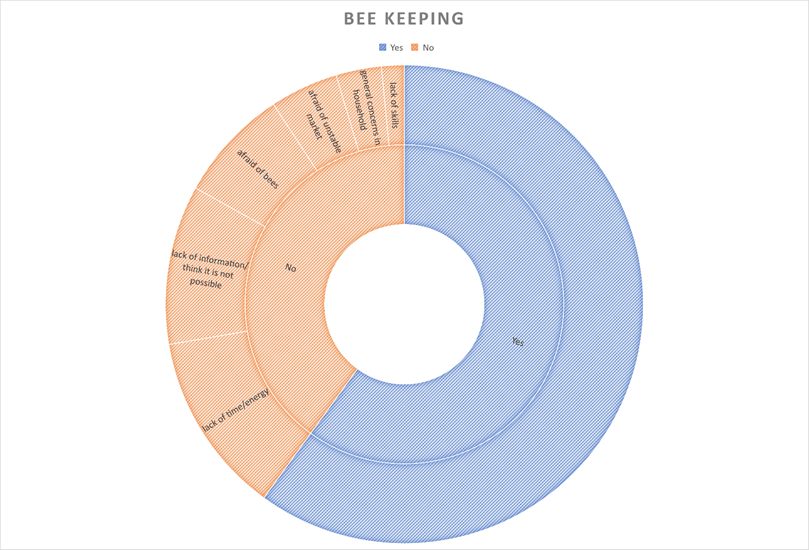
Figure 1. Attitude towards Beekeeping (N = 65).
The reasons for being opposed or at least hesitant towards beekeeping activities are diverse[4]. We have categorized them into six groups in Table 4. First, lack of time/energy: The main reason women state for not wanting to engage. Women in this group report, for example, that “Because want to focus on business” or “exhausting” or “not strong enough to work.” Second, Lack of information/think it is impossible: Seven women fall into this category. Statements include reservations “Never knew anyone who is a beekeeper” or “Never tried (no experience),” “Difficult,” as well as logistical hurdles due to the distance from household to the botanic area “There is no interest because the fields/gardens are far away” or informational hurdles “Because the area is far from water [sources], and [my] mother said bees like to be near water.” Third, Afraid of bees: Four women fall into this category and stated that they were generally afraid of bees (3) as well as being afraid of being stung (1). Fourth, Market Situation: Women are concerned about the unstable market situation, which includes the concern about price fluctuations in the market as well as the difficulty of marketing and maintaining the business. Fifth, General concerns of the Household: Two women gave reasons that fall into this category. One woman was concerned that her husband would not approve this enterprise, and the other felt beekeeping was out of place for her. Sixth, Lack of skills; one woman reported that she is unskilled and therefore she is not interested in beekeeping activities.
Table 4. Reasons for Opposing Beekeeping by Category (N = 26).
|
Assigned Category |
Reasoning |
|
Afraid of Bees |
Afraid of bees |
|
Not painstaking |
|
|
Afraid of Unstable Market |
The market is uncertain |
|
Difficult marketing and maintenance |
|
|
Not interested yet |
|
|
General Concerns in Household |
Feeling out of place |
|
Husband does not allow |
|
|
Lack of Information/ |
Because the area is far from water |
|
Think It Is Not Possible |
Mother said bees like to be near water |
|
Difficult |
|
|
There is no interest because the fields/gardens are far away |
|
|
Never tried (no experience) |
|
|
Complicated. Farming paddy is enough |
|
|
Never know anyone who is a beekeeper |
|
|
Want to avoid complications |
|
|
Lack of Skills |
Being unskilled |
|
Lack of Time/Energy |
Confused about managing time |
|
Already old |
|
|
Want to focus on business |
|
|
Not strong enough to work |
|
|
Not interested, already has own work |
|
|
Bothered by taking care of it |
|
|
Exhausting |
|
|
Feels like a hassle |
Note: If a woman stated that she is not interested in beekeeping, we asked for a reason. All answers are reported in this table, one row per individual, sorted by category. Statements were translated from the original responses. Some responses were grouped into broader categories for clarity.
With all concerns being valid and similar to concerns identified in the literature (Wagner et al., 2019), many of these could be addressed. For example, Lack of information/think it is impossible, Lack of skills, Market Situation, as well as some of the concerns from other groups could be addressed through information and training sessions. Exploratory discussions with local beekeepers and the nongovernmental organization Rumah Madu (Indonesian for Honey House) in Jambi indicated that stingless bees can be kept close to the household with limited land requirements. However, successful adoption requires access to colonies, suitable forage, practical training, and marketing channels. Evidence from West Kalimantan similarly shows that successful colony establishment depends on hive location, colony transfer, and subsequent management (Ashari et al., 2019), while Gratzer et al. (2019) emphasize broader technical and ecological challenges for beekeeping in Indonesia. Further, Fear of bees could be addressed by taking up stingless bees instead of bees that sting—as both deliver honey—as well as by providing training and showing the bees to the farmers. However, how beekeeping is introduced and how the training is designed is critical to its success (Nat Schouten & John Lloyd, 2019; C. Schouten et al., 2019). Research shows that factors such as tradition and local conditions (Kumsa et al., 2021; C. N. Schouten, 2020), as well as tailored extension services, technology and market ties (Nat Schouten & John Lloyd, 2019; Thomas & Tounkara, 2020) and floral landscape (Nat Schouten & John Lloyd, 2019) are critical for beekeepers to be successful. That being said, beekeeping merely presents one possible option for additional complementary economic activity; it is not a general solution. While there is some limited empirical evidence from the region that communities can produce and sell honey (Ap et al., 2026), it is unknown how production, sale, and marketing would turn out particularly for women.
5. Conclusions
Despite the manifold positive outcomes of oil palm expansion, particularly in Indonesia, the adverse consequences are persistent and concerning: the loss of female participation in agricultural value creation and biodiversity losses are among the most concerning ones. This study contributes to solutions aiming to mitigate the adverse outcome of female work displacement by eliciting the diverse aspirations of rural women for economic participation and income opportunities. We identify possible pathways for female economic integration, while highlighting one particularly promising tool to foster the synergy between socio-economic and environmental benefits: Beekeeping. We thus investigated the attitudes of rural women towards beekeeping to understand whether there is a general interest. Using a sample of 65 women in rural oil palm cultivating villages in Jambi, we explore the different job aspirations women hold and which potentials they see for themselves to engage in economic activities.
We report three main results. Firstly, women aspire to a wide variety of economic activities, highlighting their general wish for economic participation. We answer a crucial question, which is posed through the work of Mehraban et al. (2021), namely whether women in palm oil households wish to participate in economic activities or if they are satisfied with the increased leisure time and generally higher household income generated through oil palm cultivation. We find that they wish to work. We further find that only two women want to work in an activity related to oil palm cultivation. Secondly, we could identify three clusters of women based on their aspired activities: “Traders,” such as small (food) business owners; “Education and health-oriented aspirations,” such as teachers or health care workers; and “Other aspirations,” which encompasses a variety of activities such as engagement in post-harvest activities, handicraft, or administrative work. This mixed group represents the richness and innovativeness of rural women. The variety of ideas invites further exploration of their potential as well as the discussion of their hurdles. Hurdles mainly include critical risks of success due to lack of infrastructure or market saturation in rural regions. Thirdly, we investigate the role of beekeeping as an economic activity, which potentially caters to all three pillars of sustainability. Most of the women (60%) in our study were open to beekeeping. Those who were hesitant or opposed to beekeeping gave reasons that can mostly be addressed through information, training, or by keeping stingless bees in an extensive system.
This paper has taken an exploratory approach to examine whether, and in which economic activities, women in oil palm cultivating villages want to engage in. The findings are limited by our small convenience sample drawn from a case study in Jambi and by the self-reported nature of women’s aspirations. The small number of observations within individual work categories also precludes reliable subgroup analyses of whether aspirations or interest in beekeeping varies by respondents’ socioeconomic characteristics. Moreover, beekeeping serves as an example to assess women’s openness to a hypothetical economic activity rather than its actual adoption or real-world feasibility. These limitations point to several avenues for future research. It will be an ongoing quest to drive sustainability and resilience within the oil palm sector, particularly in smallholding communities. Gender equality is a central goal of the SDGs, and closing the gender gap can have many positive spillovers to a number of other SDGs. Our study is a critical first step to further endeavors of policymakers and researchers in their quest to make the smallholder oil palm sector more resilient and sustainable. This study has shown that rural women in oil palm contexts have an interest in economic activities in general and are open to beekeeping. We thereby set the stage for stakeholders to foster economic participation among rural women.
The aspirations expressed by the women in our study extended beyond conventional agricultural activities and included food processing and sales, trade, and other forms of self-employment. This diversity highlights the importance of avoiding a one-size-fits-all approach to women’s economic empowerment. Hence, interventions should begin by identifying women’s own priorities and assessing how different activities fit their skills, interests, and household responsibilities, as well as local market conditions. Future research should therefore examine the feasibility of different aspirations identified in this study, the constraints preventing women from pursuing them, and the types of training, finance, infrastructure, or institutional support required to translate aspirations into viable livelihood opportunities.
Beekeeping may represent one such opportunity for women who express an interest in the activity, but it should not be presented as a general solution for women in oil palm cultivating villages. However, its suitability and potential contribution to women’s empowerment depend on women’s decision-making power concerning production and income, as well as on labor requirements, access to knowledge and productive resources, household support, and viable markets for honey and related products. Future interdisciplinary research should assess these conditions alongside the economic viability and potential ecological benefits of beekeeping. Important avenues for future research are testing the potential of beekeeping among rural women, potentially in the form of randomized controlled trials. While our findings indicate that a majority of participants were open to beekeeping, future research is needed to assess actual adoption, income effects, market demand and potential sustainability benefits. Researchers should critically test if beekeeping delivers the anticipated benefits and can develop as a genuinely bottom-up activity initiated and driven by women within their communities, rather than as an externally imposed intervention.
CRediT Author Statement: Charlotte Reich: Conceptualization, Methodology, Data curation, Writing – original draft, Visualization, Investigation, Software, Validation, and Writing – review & editing; Annkathrin Wahbi: Conceptualization, Methodology, Data curation, Writing – original draft, Visualization, Investigation, Software, Validation, and Writing – review & editing; Oliver Mußhoff: Conceptualization, Methodology, Supervision, Software, Validation, and Writing – review & editing; Selina Bruns: Conceptualization, Methodology, Data curation, Writing – original draft, Visualization, Investigation, Software, Validation, and Writing – review & editing.
Data Availability Statement: Data available on request.
Funding: This research was funded by the Deutsche Forschungsgemeinschaft (DFG), grant number 192626868 in the framework of the German-Indonesian Collaborative Research Center CRC 990. Open Access funding enabled and organized by Projekt DEAL.
Conflicts of Interest: The authors declare no conflicts of interest.
IRB Statement: The study was conducted in accordance with the Declaration of Helsinki and approved by the ethical commission of the Indonesian National Research and Innovation Agency (BRIN, Badan Riset dan Inovasi Nasional).
Informed Consent Statement: Informed consent was obtained from all subjects involved in the study.
Acknowledgments: We sincerely thank the survey participants for their time, as well as to our enumerators and research partners for their excellent collaboration on this-project. We are also grateful to the editor and two anonymous reviewers for their valuable comments and the time invested in this manuscript.
Appendix A
Table A1. Aspired Economic Activities by Category: Translated Statements.
|
Assigned Category |
Jobs Including Skills |
|
Administration |
Administrative staff |
|
Advancing SMEs in the village |
|
|
Village apparatus |
|
|
Office employee |
|
|
Farming |
Farming |
|
Fish cultivation |
|
|
Have more gardens |
|
|
More oil palm planting |
|
|
Raise cattle |
|
|
Raising fish, rabbits, goats |
|
|
Utilizing the entire palm tree |
|
|
Vegetable farming |
|
|
Nothing |
Don’t want it |
|
Don’t want to work |
|
|
There isn’t any |
|
|
There isn’t any |
|
|
There isn’t any |
|
|
There isn’t any |
|
|
There isn’t any |
Table A1. Cont.
|
Assigned Category |
Jobs Including Skills |
|
Sales |
I’ve done it, I’ve been selling groceries and snacks since 2005 |
|
Selling business |
|
|
Owns a restaurant |
|
|
Have an electronics business |
|
|
Enlarge sales business |
|
|
Own a shop |
|
|
Open a grocery shop |
|
|
Have a culinary business |
|
|
Open a boutique |
|
|
Open a grocery trading business |
|
|
Open a bakery business |
|
|
Selling |
|
|
Enlarge the store |
|
|
Selling cakes |
|
|
Selling groceries |
|
|
Trade |
|
|
Food business |
|
|
Open a business (grocery store) |
|
|
Open a food stall |
|
|
Open a grocery store |
|
|
Food business |
|
|
Open a vegetable shop |
|
|
Own a restaurant business |
|
|
Increase selling capital |
|
|
Own shop |
|
|
Opening a food business |
|
|
Selling (open credit shop) |
|
|
Have a bigger warung |
|
|
Selling |
|
|
Services |
Makeup |
|
Business of woven mats from tassel (pandanus plant species) |
|
|
Tailoring |
|
|
Opened a sewing business |
|
|
Take a sewing course |
|
|
Social roles |
Al-Quran teacher |
|
Become a teacher |
|
|
Lecturer |
|
|
Opened a community learning activity center |
|
|
Open a health clinic |
|
|
Social rehabilitation assistant |
|
|
Teach baking |
|
|
Teacher |
|
|
Teacher |
|
|
Teacher |
|
|
Undecided |
Don’t know Yes |
Note: All answers are
reported in this table, one row per individual, sorted by category. Statements
were translated from the original responses. Some responses were grouped into
broader categories for clarity.
Complete Questionnaire
1. How old are you?
- ____ years
2. How many people live in your household, including yourself?
- ____ people
3. What’s your highest school degree?
- No school
- Elementary School
- Middle School
- High School
- Bachelor
- Master
- Other, please specify: ___________
4. Did you or your parents/your husband or his parents participate in the transmigration-program?
- Yes
- No
5. Are you currently working?
- Yes, on-farm
-
Yes, off-farm
If yes, please specify your type of work: ___________
-
No
If No, would you like to work?
· Yes, on-farm
· Yes, off-farm
· No
6. If you are currently working, are you being paid for your work?
- Yes
- No
7. If you are currently working, how difficult or easy was it for you to get this job (scale from 0 to 5)?
- ____ (0 = very difficult, 5 = very easy)
8. If you are currently not working, did you ever work before?
- Yes
- No
9. If you are currently not working, would you want to work?
- Yes
- No
- What type of job did you last have? ___________
- Did you like this job?
· Yes
· No
- Why did this last job end? ___________
- How long did you work last? ___________
- When did you stop working (year)? _____
10. Would you say palm oil cultivation has made it difficult for women to work compared to the time before palm oil was cultivated?
- Yes
- No
- If yes, why? ___________
11. Would you want to cultivate oil palm?
- Yes
- Yes, but with a caretaker
- No
- If no, why not? ___________
12. How long has your family/household been cultivating oil palm? (since year _____)
13. Would you say that due to oil palm cultivation it is no longer necessary for women to work because e.g. the husband generates enough income?
- Yes
- Yes, but I would still like to generate my own income
- No
14. Did oil palm cultivation change your household income?
- ___________
15. If yes, how did oil palm cultivation change your household income? Do you have more money now or less?
- ___________
16. Do you have more leisure time?
- ___________
17. If yes, do you enjoy having more leisure time?
- ___________
18. Do you know any women cultivating/owning oil palm plantations?
- Yes
- No
19. What are possible jobs/what is a typical work for women in villages or areas where lots of oil palm is cultivated?
- ___________
20. With your skillset and your talents, which job would you like to do if you had the money/training to realize it?
- ___________
21. Regardless of your skillset and talents and education, what would you like to work?
- ___________
22. Would you be open to an income source which you could pursue from your home (e.g. handicraft, food crops, …)?
- Yes
- No
- I don’t know
23. How many hours per day are you currently working and how many hours per day would you like to work?
- Currently working: ____ hours
- Would like to work: ____ hours
24. Do you have ideas for viable businesses in your area?
- ___________
25. Would you be open to work with bees and honeymaking?
- Yes
- No
- Could you explain why (not)? ___________
26. Do you own any assets (money, house, land, motorbike, …)?
- Yes
· Please specify: ___________
- No
27. Do you own a bank account?
- Yes
- No
- No but I have full access to a bank account
28. Are you married?
- Yes
- No
References
Adegbite, O. O., & Machethe, C. L. (2020). Bridging the financial
inclusion gender gap in smallholder agriculture in Nigeria: An untapped
potential for sustainable development. World
Development, 127, 104755. https://doi.org/10.1016/j.worlddev.2019.104755
Amuko, W., Kalule, S. W., & Odongo, W. (2023). The relationship
between market information and entrepreneurial orientation: The case of
smallholder honey producers in northern Uganda. Agricultural and Food
Economics, 11, 8.
https://doi.org/10.1186/s40100-023-00249-8
Amulen, D. R., D’Haese, M., D’Haene, E., Okwee Acai, J., Agea, J. G.,
Smagghe, G., & Cross, P. (2019). Estimating the potential of
beekeeping to alleviate household poverty in rural Uganda.
PloS One, 14(3), e0214113.
https://doi.org/10.1371/journal.pone.0214113
Ap,
A. T.,
Wahyudi, Hendri, Allo,
A. G.,
Warsito, A. P.
(2026). Prioritization and feasibility analysis of non-timber forest products
for green economy development in Papua Province, Indonesia. Asian Journal of Ethnobiol,
9(1).
https://doi.org/10.13057/asianjethnobiol/y090103
Apriani, E., Kim, Y.-S., Fisher, L. A., & Baral, H. (2020). Non-state certification of smallholders for sustainable palm oil in Sumatra, Indonesia. Land Use Policy, 99, 105112. https://doi.org/10.1016/j.landusepol.2020.105112
Araya, A. L. (2019). The politics of dispossession in the Honduran palm oil industry: A case study of the Bajo Aguán. Journal of Rural Studies, 71, 134–143. https://doi.org/10.1016/j.jrurstud.2019.01.015
Ashari, R., Karyaatmadja, B., Sutedja, I. G. N. N., Rakhmadi, D., & Abidin, S. (2019, November). The best practices of stingless bee farming in Kapuas Hulu Regency, West Kalimantan Province, Indonesia. IOP Conference Series: Earth and Environmental Science, 394(1), 012051. https://doi.org/10.1088/1755-1315/394/1/012051
Bazzi, S., Gaduh, A., Rothenberg, A. D., & Wong, M. (2016). Skill
transferability, migration, and development: Evidence from population
resettlement in Indonesia. American Economic Review,
106(9), 2658–2698. https://doi.org/10.1257/aer.20141781
Berem, R. M., Obare, G. A., & Owuor, G. (2010, September 19–23 ). Is value addition in honey a panacea
for poverty reduction in the ASAL in Africa? Empirical evidence from Baringo district, Kenya. Joint 3rd African Association of Agricultural Economists (AAAE) and
48th Agricultural Economists Association of South Africa (AEASA) Conference,
Cape Town, South Arica.
https://doi.org/10.22004/ag.econ.96163
Bruns, S., Mußhoff, O., & Ströhlein, P. (2022). Information needs and delivery channels: Experimental evidence from Cambodian smallholders. IFLA Journal, 48(4), 661–678. https://doi.org/10.1177/03400352211057148
Calvo-Porral, C., & Lévy-Mangin, J.-P. (2018). From “foodies” to “cherry-pickers”: A clustered-based segmentation of specialty food retail customers. Journal of Retailing and Consumer Services, 43, 278–284. https://doi.org/10.1016/j.jretconser.2018.04.010
Carroll, T., & Kinsella, J. (2013). Livelihood improvement and smallholder beekeeping in Kenya: The unrealised potential. Development in Practice, 23(3), 332–345. https://doi.org/10.1080/09614524.2013.781123
Chantawannakul, P., Williams, G., & Neumann, P. (Eds.). (2018). Asian beekeeping in the 21st century. Springer Singapore. https://doi.org/10.1007/978-981-10-8222-1
Chanthayod, S., Zhang, W., & Chen, J. (2017). People’s
perceptions of the benefits of natural beekeeping and its positive outcomes for
forest conservation: A case study in northern Lao PDR. Tropical Conservation
Science, 10.
https://doi.org/10.1177/1940082917697260
Chrisendo, D., Krishna, V. V., Siregar, H., & Qaim, M. (2020). Land-use change, nutrition, and gender roles in Indonesian farm households. Forest Policy and Economics, 118, 102245. https://doi.org/10.1016/j.forpol.2020.102245
Chrisendo, D., Siregar, H., & Qaim, M. (2022). Oil palm cultivation improves living standards and human capital formation in smallholder farm households. World Development, 159, 106034. https://doi.org/10.1016/j.worlddev.2022.106034
Devendra, C. (2011). Integrated tree crops-ruminants systems in south East Asia: Advances in productivity enhancement and environmental sustainability. Asian-Australasian Journal of Animal Sciences, 24(5), 587–602. https://doi.org/10.5713/ajas.2011.r.07
Doss, C. (2013). Intrahousehold bargaining and resource allocation in
developing countries. The World Bank Research Observer, 28(1),
52–78.
https://doi.org/10.1093/wbro/lkt001
Doss, C., Meinzen-Dick, R., Quisumbing, A., & Theis, S. (2018).
Women in agriculture: Four myths. Global Food Security, 16,
69–74.
https://doi.org/10.1016/j.gfs.2017.10.001
Duflo, E. (2003). Grandmothers and granddaughters: old‐age pensions and intrahousehold allocation in South Africa. The World Bank Economic Review, 17(1), 1–25. https://doi.org/10.1093/wber/lhg013
Elmhirst, R., Siscawatti, M., Basnerr, B. S., & Ekowati, D. (2017).
Gender and generation in engagements with oil palm in east Kalimantan, Indonesia:
Insights from feminist political ecology. The Journal of Peasant Studies,
44(6), 1135–1157.
https://doi.org/10.1080/03066150.2017.1337002
Etuah, S., Ohene-Yankyera, K., Aidoo, R., Haleegoah, J., Wiggins, S., & Henley, G. (2020). Impact of oil palm-related activities on women’s empowerment in Ghana. World Development Perspectives, 19, 100225. https://doi.org/10.1016/j.wdp.2020.100225
Euler, M., Schwarze, S., Siregar, H., & Qaim, M. (2016). Oil palm expansion among smallholder farmers in Sumatra, Indonesia. Journal of Agricultural Economics, 67(3), 658–676. https://doi.org/10.1111/1477-9552.12163
Everitt, B. S., Landau, S., Leese, M. & Stahl, D. (2011). Measurement of Proximity. In W. A. Shewhart, S. S. Wilks, B. S. Everitt, S. Landau, M. Leese & D. Stahl (Eds.), Cluster analysis (5th ed., pp.43–69). John Wiley & Sons. https://doi.org/10.1002/9780470977811.ch3
FAO, IFAD, UNICEF, WFP, & WHO. (2026). The state of food security and nutrition in the world 2026 – Understanding and addressing the high cost of a healthy diet. https://doi.org/10.4060/cd8306en
Food and Agriculture Organization of the United Nations. (2011). The state of food and agriculture 2010-11. https://www.fao.org/4/i2050e/i2050e.pdf
Food and Agriculture Organization of the United Nations. (2021). Achieving gender equality and women’s empowerment in agriculture and food systems - A handbook for gender focal points. https://openknowledge.fao.org/handle/20.500.14283/cb2401en
Gatto, M., Wollni, M., Asnawi, R., & Qaim, M. (2017). Oil palm boom,
contract farming, and rural economic development: Village-level
evidence from Indonesia. World Development, 95,
127–140. https://doi.org/10.1016/j.worlddev.2017.02.013
Gatto, M., Wollni, M., & Qaim. M. (2015). Oil palm boom and land-use dynamics in Indonesia: The role of policies and socioeconomic factors. Land Use Policy, 46, 292–303. https://doi.org/10.1016/j.landusepol.2015.03.001
Gerbil, K. L., Essa, N. M., Abdou, S. G., & Omar, A. S. (2023). Characterization of rabbits production systems in Egypt. Archives of Agriculture Sciences Journal, 61(1), 59–72. https://doi.org/10.21608/aasj.2023.295298
Gratzer, K., Susilo, F., Purnomo, D., Fiedler, S., & Brodschneider, R. (2019). Challenges for beekeeping in Indonesia with autochthonous and introduced bees. Bee World, 96(2), 40–44. https://doi.org/10.1080/0005772X.2019.1571211
Grüter, C. (2020). Stingless bees: Their behaviour, ecology and evolution. Springer Nature.https://doi.org/10.1007/978-3-030-60090-7
Gunarathne, A., Hemmerling, S., Krestel, N., Zühlsdorf, A., & Spiller, A.
(2017, August 28–September 1). Segmenting
foodies in Germany: Actionable insights for agro-food marketers. XV EAAE Congress, “Towards Sustainable
Agri-food Systems: Balancing Between
Markets and Society, Parma, Italy. https://doi.org/10.22004/ag.econ.261422
Harianja, A. H., Adalina, Y., Pasaribu, G., Winarni, I., Maharani, R., Fernandes, A., Saragih, G. S., Fauzi, R., Tampubolon, A. P., Njurumana, G. N., Sukito, A., Aswandi, A., Kholibrina, C. R., Siswadi, S., Kurniawan, H., Hidayat, M. Y., Wahyuni, R., Koeslulat, E. E., Heryanto, R. B., ... Kuspradini, H. (2023). Potential of beekeeping to support the livelihood, economy, society, and environment of Indonesia. Forests, 14(2), 321. https://doi.org/10.3390/f14020321
Hegazi, F., & Seyuba, K. (2024). Gender, livelihood diversification and food security: Insights from rural communities in Zambia. Journal of Rural Studies, 109, 103321. https://doi.org/10.1016/j.jrurstud.2024.103321
Julia & White, B. (2013). Gendered experiences of dispossession: Oil palm expansion in a Dayak Hibun community in West Kalimantan. The Journal of Peasant Studies, 39(3–4), 995–1016. https://doi.org/10.1080/03066150.2012.676544
Kabeer, N. (1999). Resources, agency, achievements: Reflections on the measurement of women’s empowerment. Development and Change, 30(3), 435–464. https://doi.org/10.1111/1467-7660.00125
Kahono, S., Chantawannakul, P., & Engel, M. S. (2018). Social bees and the current status of beekeeping in Indonesia. In P. Chantawannakul, G. Williams, & P. Neumann (Eds.), Asian Beekeeping in the 21st Century (pp. 287–306). Springer Singapore. https://doi.org/10.1007/978-981-10-8222-1_13
Kaufman, L., & Rousseeuw, P. J. (2009). Finding groups in data: An introduction to cluster analysis. John Wiley & Sons.
Krell, R. (1996). Value-added products from beekeeping. Food and Agriculture Organization of the United Nations. https://openknowledge.fao.org/handle/20.500.14283/w0076e
Krishna, V., Euler, M., Siregar, H., & Qaim, M. (2017a). Differential livelihood impacts of oil palm expansion in Indonesia. Agricultural
Economics, 48(5), 639–653. https://doi.org/10.1111/agec.12363
Krishna, V. V., Kubitza, C., Pascual, U., & Qaim, M. (2017b). Land markets, property rights, and deforestation: Insights from Indonesia. World Development, 99, 335–349. https://doi.org/10.1016/j.worlddev.2017.05.018
Kubitza, C., Krishna, V. V., Klasen, S., Kopp, T., Nuryartono, N., & Qaim, M. (2023). Labor displacement in agriculture: Evidence from oil palm expansion in Indonesia. Land Economics, 100(3), 547–567. https://doi.org/10.3368/le.100.3.122122-0109R1
Kubitza, C., Krishna, V. V., Urban, K., Alamsyah, Z., & Qaim, M. (2018). Land property rights, agricultural intensification, and deforestation in Indonesia. Ecological Economics, 147, 312–321. https://doi.org/10.1016/j.ecolecon.2018.01.021
Kühl, S., Schlüterbusch, L., & Spiller, A. (2017). Trust in ag-related marketing claims: A segmentation with German consumers. British Food Journal, 119(9), 1999–2012. https://doi.org/10.1108/BFJ-09-2016-0412
Kumsa, T., Bareke, T., Addi, A., & Roba, K. (2021). Beekeeping
promotes the traditional home-garden conservation in Ethiopia. Journal of
Agriculture and Environment for International Development (JAEID), 115(2),
23–37.
https://doi.org/10.36253/jaeid-12084
Malapit, H., Quisumbing, A., Meinzen-Dick, R., Seymour, G., Martinez, E. M., Heckert, J., Rubin, D., Vaz, A., Yount, K. M., & Team, S. (2019). Development of the project-level Women’s Empowerment in Agriculture Index (pro-WEAI). World Development, 122, 675–692. https://doi.org/10.1016/j.worlddev.2019.06.018
Mehraban, N., Debela, B. L., Kalsum, U., & Qaim, M. (2022). What about her? Oil palm cultivation and intra-household gender roles. Food Policy, 110, 102276. https://doi.org/10.1016/j.foodpol.2022.102276
Mehraban, N., Kubitza, C., Alamsyah, Z., & Qaim, M. (2021). Oil palm
cultivation, household welfare, and exposure to economic risk in the Indonesian
small farm sector. Journal of Agricultural Economics, 72(3),
901–915.
https://doi.org/10.1111/1477-9552.12433
Meinzen-Dick, R. S., Johnson, N. L., Quisumbing, A. R., Njuki, J., Behrman, J.
A., Rubin, D., Peterman, A., & Waithanji, E. M. (2011).
Gender, assets, and agricultural development
programs: A conceptual framework. Collective Action and Property Rights.
https://hdl.handle.net/10568/12520
Moll, H. A. J. (2005). Costs and benefits of livestock systems and the role of market and nonmarket relationships. Agricultural Economics, 32(2), 181–193. https://doi.org/10.1111/j.0169-5150.2005.00210.x
Mooi, E., Sarstedt, M., & Mooi-Reci, I. (2018). Market research: The process, data, and methods using Stata. Springer Singapore. https://doi.org/10.1007/978-981-10-5218-7
Morgan, M. (2017). Women, gender and protest: Contesting oil palm plantation expansion in Indonesia. The Journal of Peasant Studies, 44(6), 1177–1196. https://doi.org/10.1080/03066150.2017.1300579
Morgans, C. L., Meijaard, E., Santika, T., Law, E., Budiharta, S.,
Ancrenaz, M., & Wilson, K. A. (2018). Evaluating the effectiveness of palm
oil certification in delivering multiple sustainability objectives. Environmental
Research Letters, 13(6), 064032.
https://doi.org/10.1088/1748-9326/aac6f4
Mu, R., & van de Walle, D. (2011). Rural roads and local market development in Vietnam. The Journal of Development Studies, 47(5), 709–743. https://doi.org/10.1080/00220381003599436
Mushonga, B., Hategekimana, L., Habarugira, G., Kandiwa, E., Samkange, A.,
& Ernest Segwagwe, B. V. (2019). Characterization of the
beekeeping value chain: Challenges, perceptions,
limitations, and opportunities for beekeepers in Kayonza District, Rwanda. Advances in Agriculture,
2019, 5982931. https://doi.org/10.1155/2019/5982931
Nat Schouten, C., & John Lloyd, D. (2019). Considerations and factors influencing the success of beekeeping programs in developing countries. Bee World, 96(3), 75–80. https://doi.org/10.1080/0005772X.2019.1607805
Netshipale, A. J., Raidimi, E. N., Mashiloane, M. L., de Boer, I. J., &
Oosting, S. J. (2022). Farming system diversity and its drivers in land
reform farms of the Waterberg District,
South Africa. Land Use Policy, 117, 106116.
https://doi.org/10.1016/j.landusepol.2022.106116
Otim, A. S., Kajobe, R.,
Kungu, J. M., & Echodu, R.
(2018). The socio-economic factors influencing honey production in Uganda. Global
Journal of Agricultural Research, 6(2), 1–9.
https://eajournals.org/wp-content/uploads/The-Socio-Economic-Factors-Influencing-Honey-Production-in-Uganda.pdf
Patel, V., Pauli, N., Biggs, E., Barbour, L., & Boruff, B. (2021).
Why bees are critical for achieving sustainable development. Ambio, 50, 49–59.
https://doi.org/10.1007/s13280-020-01333-9
Piedrahita, N., Costa, V., & Mane, E. (2023). Gender
gap in agricultural labour productivity: A cross-country comparison –
Background paper for the
status of women in agrifood systems. Food and Agriculture Organization of the United Nations.
https://doi.org/10.4060/cc9118en
Pinstrup-Andersen, P., & Shimokawa, S. (2006). Rural infrastructure and agricultural development. World Bank.
Qaim, M., Sibhatu, K. T., Siregar, H., & Grass, I. (2020).
Environmental, economic, and social consequences of the oil palm boom. Annual
Review of Resource Economics, 12, 321–344. https://doi.org/10.1146/annurev-resource-110119-024922
Quisumbing, A. R., & Maluccio, J. A. (2003). Resources
at marriage and intrahousehold allocation: Evidence from Bangladesh, Ethiopia,
Indonesia, and South Africa. Oxford Bulletin of
Economics and Statistics, 65(3), 283–327.
https://doi.org/10.1111/1468-0084.t01-1-00052
Quisumbing, A. R., Meinzen-Dick, R., Raney, T. L., Croppenstedt, A., Behrman, J. A., & Peterman, A. (Eds.). (2014). Gender in Agriculture: Closing the Knowledge Gap. Springer Dordrecht. https://doi.org/10.1007/978-94-017-8616-4
Rapsomanikis, G. (2015). The economic lives of smallholder farmers: An analysis
based on household data from nine countries. Food and
Agriculture Organization of the United Nations. https://doi.org/10.13140/RG.2.1.3223.9440
Reich, C.-E., Ölkers, T., Bonke, V., & Musshoff, O. (2026). Beyond the ban—Shedding light on smallholders’ price vulnerability in Indonesia’s palm oil industry. Applied Economic Perspectives and Policy, 48(3), 653–678. https://doi.org/10.1002/aepp.70040
Rojas-Rivas, E., Rendón-Domı́nguez, A., Felipe-Salinas, J. A., & Cuffia, F.
(2020). What is gastronomy? An exploratory study of
social
representation of gastronomy and Mexican cuisine among
experts and consumers using a qualitative approach. Food Quality and
Preference, 83,
103930. https://doi.org/10.1016/j.foodqual.2020.103930
Salazar, L., & Quisumbing, A. (2009, March 31–April 2). Assessing the impact of gendered labor markets in the rural Philippines. FAO–IFAD–ILO Workshop on Gaps, Trends and Current Research in Gender Dimensions of Agricultural and Rural Employment: Differentiated Pathways Out of Poverty, Rome, Italy. https://www.researchgate.net/publication/291971819
Sangwan, N., & Kumar, S. (2021). Labor force participation of rural women and the household’s nutrition: Panel data evidence from SAT India. Food Policy, 102, 102117. https://doi.org/10.1016/j.foodpol.2021.102117
Satyavathi, C. T., Bharadwaj, C., & Brahmanand, P. (2010). Role of farm
women in agriculture: Lessons learned. Gender,
Technology and
Development, 14(3),
441–449. https://doi.org/10.1177/097185241001400308
Schneider, K. R., De la O Campos, A. P., Cavatassi, R., & Davis, B. (2024). Resilient and inclusive rural transformation in Sub-Saharan Africa
under climate, demographic, and social change: Challenges and opportunities for
income growth and job creation. Global Food
Security, 43,
100815. https://doi.org/10.1016/j.gfs.2024.100815
Schouten, C., Lloyd, D., & Lloyd, H. (2019). Beekeeping with the Asian honeybee (Apis cerana javana fabr) in the Indonesian islands of java, bali, nusa penida, and sumbawa. Bee World, 96(2), 45–49. https://doi.org/10.1080/0005772X.2018.1564497
Schouten, C. N. (2020). Factors influencing beekeepers income, productivity and welfare in developing countries: A scoping review. Journal of Apicultural Research, 60(2), 204–219. https://doi.org/10.1080/00218839.2020.1844464
Sharma, E., & Das, S. (2021). Integrated model for women empowerment
in rural India. Journal of International Development, 33(3),
594–611.
https://doi.org/10.1002/jid.3539
Shenbei, Z., Ajaz, A., Sarfraz, M., & Ahmed, N. (2023). New insights into the rural development economies under the moderating role of gender equality and mediating role of rural women development. Journal of Rural Studies, 104, 103166. https://doi.org/10.1016/j.jrurstud.2023.103166
Sillman, J., Uusitalo, V., Tapanen, T., Salonen, A., Soukka, R., &
Kahiluoto, H. (2021). Contribution of honeybees towards the net
environmental benefits of food. Science of The Total
Environment, 756, 143880.
https://doi.org/10.1016/j.scitotenv.2020.143880
Tabe-Ojong, M. P., Jr., Alamsyah, Z., & Sibhatu, K. T.
(2023). Oil palm expansion, food security and diets: Comparative evidence from
Cameroon and Indonesia. Journal of Cleaner
Production, 418, 138085. https://doi.org/10.1016/j.jclepro.2023.138085
Tabe-Ojong, M. P., Jr., & Molua, E. L. (2023). Oil palm production and educational outcomes: Gender-differentiated evidence from Cameroon. The Journal of Development Studies, 60(4), 596–614. https://doi.org/10.1080/00220388.2023.2273801
Thomas, K. A., & Tounkara, S. Y. (2020). Apiculture and poverty reduction nexus: Evidence from rural households in Sikasso region of Mali. Bee World, 97(1), 10–16. https://doi.org/10.1080/0005772X.2019.1692416
Timberlake, T. P., Sapkota, S., Saville, N. M., Cirtwill, A. R., Baral, S. C., Bhusal, D. R., Devkota, K., Giri, S., Harris-Fry, H. A., Joshi, D., Kortsch, S., Myers, S. S., Roslin, T., Smith, M. R., & Memmott, J. (2026). Pollinators supports the nutrition and income of vulnerable communities. Nature, 654, 683–688. https://doi.org/10.1038/s41586-026-10421-x
United Nations
Development Programme. (2016). Africa human
development report 2016 accelerating gender equality and women’s
empowerment in Africa. https://www.undp.org/sites/g/files/zskgke326/files/publications/AfHDR_2016_lowres_EN.pdf
Wagner, K., Meilby, H., & Cross, P. (2019). Sticky business - Why do beekeepers keep bees and what makes them successful in Tanzania? Journal of Rural Studies, 66, 52–66. https://doi.org/10.1016/j.jrurstud.2019.01.022