Article
Identifying Key Components of Underdevelopment in Rural Bamyan, Afghanistan: An Exploratory Factor Analysis
Sayed Jalil Hashimi 1, Muhammad Asef Shaiq 2,* and
Ali Akbar Barati 3
and
Ali Akbar Barati 3
1 Agricultural
Economics and Extension Department, Bamyan University, Bamyan 1601, Afghanistan;
jalilhashimi802@gmail.com
2 Agricultural Economics and Extension Department, Baghlan University, Baghlan 3601, Afghanistan
3 Department of Agricultural
Management and Development, University of Tehran, Karaj 77871-31587, Iran;
aabarati@ut.ac.ir
* Correspondence: asef.shaiq@gmail.com
|
Citation:
Hashimi, S. J., Shaiq, M. A., & Barati, A. A. (2026). Identifying Key Components of Underdevelopment in Rural Bamyan,
Afghanistan: An Received: 12 January 2026 Revised: 17 March 2026 Accepted: 23 March 2026 Published: 25 May 2026
Copyright: © 2026 by the authors. Licensee SCC Press, Kowloon, Hong Kong S.A.R., China. This article is an open access article distributed under the terms and conditions of the Creative Commons Attribution (CC BY) license. |


Abstract:
Rural areas of Bamyan province, Afghanistan, epitomize the paradox of underdevelopment amidst potential. This study employs exploratory factor analysis to systematically diagnose the multidimensional drivers of this crisis. The statistical population of this study was 14,315 households in the study areas. A total of 148 questionnaires were distributed among the rural households using Cochran’s formula. Multi-stage sampling was used to collect data. Data was analyzed using SPSS through exploratory factor analysis. Results indicated that the causes of underdevelopment include seven key factors: Socio-economic challenges, lack of basic facilities, insufficient infrastructure, resistance to innovation and change, communication weaknesses, managerial problems, tendency towards urbanization, and geographical challenges, which explained 59.3% of the total variance. The findings of this study can be effectively applied to policy-making and rural development planning in Afghanistan and other developing countries.Keywords:
development; rural economy; rural development; Bamyan province1. Introduction
Approximately half of the world’s population resides in rural areas, and many of them suffer from the pervasive issue of poverty (Adimassu et al., 2013). Given that a significant portion of the population in developing countries resides in rural areas, the importance of rural development and its vital role in the advancement and progress of these countries is undeniable (Adamowicz & Zwolińska-Ligaj, 2020). Rural development is one of the concerns of countries and governments, especially developing countries (Badri et al., 2021; Dixon, 2015). In other words, rural development is a fundamental and essential approach for achieving sustainable development (Fayez et al., 2022). However, this process faces significant threats, including environmental instability such as drought, resource scarcity, social unrest, unemployment, and economic stagnation (Ayoo, 2022). Rural development involves adapting rural areas to social and political institutions, human behavior, and community participation in the development process (Borodina & Prokopa, 2019). Achieving sustainable rural development is crucial for fulfilling the Sustainable Development Goals and improving the quality of life for rural populations. In Afghanistan, villages are recognized as important centers of social, cultural, and economic diversity (Ghazali & Zibaei, 2018). Despite this potential, rural areas in Afghanistan face numerous challenges that exacerbate poverty, social injustices, and the unsustainable depletion of natural resources, negatively impacting rural communities. The consequences of the underdevelopment of rural areas, such as widespread poverty, inequality, poor health, unemployment, and migration, have led to attention to rural development (Shaiq et al., 2022; Yar & Yasouri, 2024). The goal of rural development is to enhance the quality of life (Long et al., 2022; Pain & Hansen, 2019; Talebpour et al., 2022a) and to achieve a healthy lifestyle by addressing all the basic needs of rural communities (Qi et al., 2017). Inequality, unemployment, poverty, migration, lack of investment, absence of skills and creativity, disregard for new ideas by the people, and inadequate rural planning are the most significant factors affecting rural underdevelopment (Ahmadikish et al., 2017; Yar et al., 2022).
Development, in its broad sense, means the enhancement of the material and spiritual level of human society and the creation of suitable conditions for a healthy life for all members of the community (Flint, 2013). The ultimate goal of development is to improve the quality of life for everyone (United Nations Digital Public Infrastructure, 2017). Hence, efforts to achieve development should be such that they encompass the interests of the majority of people. Given the importance of rural development for the overall progress of the country, examining the causes of underdevelopment in the villages of Bamyan Province is of particular significance (Javadi et al., 2013). Some previous research has addressed the dimensions of this issue. But none of the previous studies in the country have addressed the causes of the underdevelopment of rural areas from the perspective of villagers. Shaiq et al. (2021), in a study titled “Investigating Afghanistan’s rural development challenges” found that economic challenges, such as lack of credit and investment in villages; social challenges, such as low participation of women in rural activities; environmental challenges, including excessive exploitation of groundwater resources; physical challenges, such as weakness or lack of urban-rural networks; and finally managerial challenges, especially the predominance of unskilled labor in rural economic activities, are among the most effective challenges to rural development in Afghanistan. Zinchuk et al. (2018) investigated the challenges of sustainable economic development in rural areas. They found that mechanisms for sustainable development policy in rural areas promise directions for developing local areas and innovative solutions for environmental and social problems. Savari and Maymand (2013), in a study titled “Barriers of sustainable rural development from the perspective of experts,” found that the main obstacles to sustainable rural development in Kermanshah province were five factors: physical-structural, investment problems, poor policy-making, agricultural production risk, and skill shortage. Kalantari et al. (2008), in their research titled “Major challenges of rural development in Iran,” concluded that the lack of diversity in economic activities, low income levels, rural poverty, absence of appropriate models, lack of coordination in rural development programs, inadequate use of suitable technology in agriculture, lack of awareness among villagers, small size of villages, dominance of unskilled labor in rural activities, and poor rural infrastructure are significant challenges to rural development. Although previous studies have examined various aspects of rural underdevelopment, few have explored the issue from the perspective of villagers in this specific region, and none have applied exploratory factor analysis (EFA). This study addresses this gap by identifying latent factors influencing rural underdevelopment, providing a conceptual and empirical framework that can inform both local interventions and broader research on rural development.
Although the Afghan government has tried to meet the basic humanitarian needs of its people, it is essential to provide the necessary tools and opportunities to reduce poverty, especially at the community level in rural areas. Undoubtedly, the long-term vision for rural and agricultural development in Afghanistan requires ensuring the social, economic, and political welfare of rural communities, particularly for the poor and vulnerable, and necessitates the integration of rural communities into the national economy. Bamyan province, recognized as a region rich in cultural and natural resources in Afghanistan, requires a thorough examination of the causes of underdevelopment in its rural areas. Evidence indicates that despite the abundant potential of this area, including suitable water and soil resources and a rich cultural history, issues such as poverty, unemployment, and inadequate access to essential services persist. The causes of this phenomenon may stem from various factors, including weak infrastructure and insufficient investment in the agricultural and livestock sectors. In other words, despite numerous studies in the field of rural development, no research has yet utilized exploratory factor analysis to identify the structural factors underlying underdevelopment from the perspective of rural residents in Bamyan. This is particularly significant for Bamyan province, given its unique geographical, cultural, and social characteristics. The province requires approaches that are specifically aligned with local conditions. Exploring the opinions of rural residents can lead to the design of more effective and targeted development programs. Without a thorough understanding of local perspectives, any planning and policymaking efforts are likely to face challenges and setbacks. On the other hand, the use of exploratory factor analysis enables researchers to identify and understand the complex structures that influence underdevelopment. This statistical method can reveal hidden relationships among various variables and contribute to a deeper analysis of the data. The lack of such analysis in the central rural areas of Bamyan undermines the opportunity to gain a deeper understanding of the needs and challenges of this region. Therefore, this study can assist in identifying the fundamental factors of underdevelopment through exploratory factor analysis and facilitate the improvement of the quality of life for rural residents. Additionally, the findings of this research could enrich the literature on rural development and lead to positive and sustainable changes within the Bamyan community.
Therefore, this research aims to address the following questions:
· What are the main components of the causes of underdevelopment?
·
Which identified factor is the priority in terms
of impact on the underdevelopment of these areas?
2. Materials and Methods
2.1. Study Area
Bamyan Province is one of the mountainous provinces in central Afghanistan, classified as a second-degree province (see Figure 1). Located 190 kilometers northwest of Kabul, it rests on the northern slopes of the Baba mountain range. Bamyan borders Samangan to the north, Sar-e Pol to the northwest, Maidan Wardak, Ghazni, and Daykundi to the south, Parwan and Baghlan to the east, and Ghor and Daykundi to the west. The total area of Bamyan is 18,029 square kilometers, representing 2.8% of Afghanistan’s total area. The main crops cultivated in this province include wheat, barley, potatoes, and beans. Bamyan is one of the provinces with the least agricultural produce in the country. A significant portion of the land is barren and inaccessible due to a severe water shortage, small land parcels, severe food insecurity, and poor soil quality (Shaiq et al., 2026).
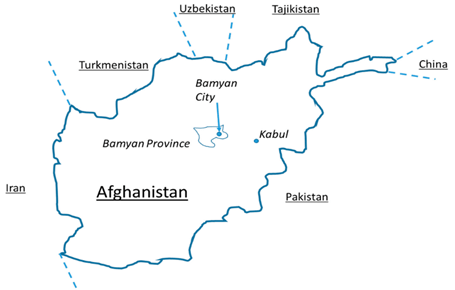
Figure 1. Study area and its location in Afghanistan.
2.2. Data Collection Method
The present study employed a quantitative approach and utilized a non-experimental (survey) design. The statistical population for this research consists of the heads of families in the villages of the center of Bamyan Province, with a total of 14,315 families in the center of Bamyan Province. The population of the villages of the center of this province in the current year is 100,204 people, and the number of households living in these villages is 14,315 (Shaiq et al., 2026). Based on Cochran’s formula, 148 questionnaires were distributed randomly to heads of households from the mentioned population in various villages, and they responded to the questionnaires. In other words, given the geographical dispersion of households across different villages in the study area, a multi-stage sampling method was employed. In the first stage, several villages within the study area were selected. Subsequently, the questionnaires were distributed among households in the selected villages.
|
|
(1) |
|
|
(2) |


The primary tool used in the present research was a questionnaire. To develop the questionnaire, an initial review of the existing literature and theories related to the research topic was conducted, resulting in the creation of a preliminary questionnaire. This questionnaire comprised two main sections. The first section focused on collecting personal information from the respondents, while the second section contained questions regarding the causes of underdevelopment in rural areas. Subsequently, the questionnaire was reviewed and evaluated by the members of the agricultural economics and extension department at Bamyan University. After incorporating their feedback and suggestions, the final version of the questionnaire was designed as a closed-ended instrument, consisting of 25 questions along with demographic inquiries. The reliability of the questionnaire was confirmed by calculating Cronbach’s Alpha coefficient, which yielded a value of 0.87 for the entire instrument, indicating high internal consistency. The measurement scale used for data collection varied depending on the type of data, employing nominal and ordinal scales (a five-point Likert scale; Mohd Rokeman, 2024).
2.3. Method of Data Analysis
After collecting the data, it was analyzed using inferential methods through exploratory factor analysis (Widaman & Helm, 2023) via the SPSS software version 26. The descriptive section, including frequency, standard deviation, and mean, was also analyzed using the SPSS software. It is worth noting that factor analysis is a method that considers all variables simultaneously (Goretzko et al., 2021). In this context, to identify the components of the causes of underdevelopment in the rural areas of Bamyan Province, a total of 21 factors were included in the exploratory factor analysis. To assess the adequacy of the sample size, the KMO coefficient was utilized, and to determine the correlation of the data for conducting factor analysis, Bartlett’s test was employed. The results of this test are reported in the findings section of the research.
3. Findings
According to Table 1, 68 individuals (45.9%) are under 30 years old, 35 individuals (23.6%) are between the ages of 30 and 40, 31 individuals (20.9%) are between the ages of 41–50, 14 individuals (9.6%) are above 50 years old. In other words, the majority of respondents are under 30 years old, making up 45.9% of the total. The majority of respondents are married, with 96 individuals making up 69.9% of the total.
Table 1. Personal characteristics of respondents (N = 148).
|
Characteristics |
Frequency |
Percentage (%) |
|
Age |
|
|
|
Less than 30 |
68 |
45.9 |
|
30–40 |
35 |
23.6 |
|
41–50 |
31 |
20.9 |
|
Above 50 |
14 |
9.6 |
|
Total |
148 |
100.0 |
|
Marital status |
|
|
|
Married |
52 |
35 |
|
Single |
96 |
65 |
Source: Research findings.
As stated in the research methodology, exploratory factor analysis was employed to identify the components of the causes of underdevelopment in rural areas. In utilizing this method for data analysis, two critical assumptions must be considered, which are:
Test: KMO: This test indicates the adequacy of the sample size in the research, considering the number of variables being studied. The general rule, with an acceptable criterion in most scientific research and in statistical texts, is considered to be (KMO ≥ 0.7).
Bartlett’s test: In this test, it indicates the degree of correlation between the variables of the study. The null hypothesis in this test states that there is no complete correlation between the studied variables, while the alternative hypothesis claims that there is a correlation among them. If the significance value (Sig) is (0.05 ≥ Sig), the null hypothesis (H0) is rejected, and the model is usable. Table 2 shows the KMO and Bartlett test results at a 95% confidence level.
Table 2. KMO and Bartlett’s test results.
|
Amount of KMO |
Amount of Bartlett |
Degree of freedom |
significant |
|
0.766 |
999.835 |
300 |
0.000 |
Source: Research findings.
To perform factor analysis, it is first necessary to determine that the data have the minimum required correlation for factor analysis. For this purpose, KMO and Bartlett statistics are used to assess the sample size for conducting factor analysis on the causes of underdevelopment in rural areas. The KMO value obtained is 0.766, which indicates the adequacy of the sample size for performing factor analysis. The Bartlett statistic value, using the chi-square approximation, is 999.835 with 300 degrees of freedom, which is significant at a 0.000% error level. Hence, there is sufficient evidence to reject the null hypothesis of the unity of the correlation matrix among the variables intended for factor analysis. Therefore, it can be assumed that the data have the minimum required correlation for conducting factor analysis. The first finding of this model that should be noted is the total variance explained table. This table first reveals the number of latent factors based on the criterion of eigenvalues greater than or equal to one (1 ≤ Eigenvalue) and then specifies their individual and collective explanatory power concerning the observable variables.
Table 3 presents the titles related to each factor and the percentage of variance calculated for each factor. Also, Table 4 shows the factor loadings of each factor with its corresponding variables. The special value for the first factor, titled economic and social problems, is 2.822, which accounts for 11.286% of the total variance. This factor includes four variables, with two variables having the most significant impact on the underdevelopment of rural areas in the study area: the low provision of facilities to the villagers, with a factor loading of 0.738, and the low income levels of families, with a factor loading of 0.627. The second factor, titled lack of basic facilities and absence of services, has a special value of 2.410, which explains 9.639% of the total variance. This factor includes four variables, with two variables having the most significant impact on the underdevelopment of rural areas in the study area: lack of access to telecommunications and the internet, with a factor loading of 0.682, and the absence of educational and health programs for villagers, with a factor loading of 0.596.
Table 3. Special values and explained variances of each factor.
|
Row |
Agent name |
Special value |
Percentage of |
Cumulative |
|
1 |
Economic and social problems |
2.822 |
11.286 |
11.286 |
|
2 |
Lack of basic facilities and absence of services |
2.410 |
9.639 |
20.925 |
|
3 |
Lack of infrastructure and resistance to innovation |
2.259 |
9.037 |
29.962 |
|
4 |
Resistance to changes and weak communication. |
1.966 |
9.862 |
39.862 |
|
5 |
Management issues of natural resources |
1.929 |
7.715 |
47.539 |
|
6 |
Migration and the tendency towards urbanization |
1.558 |
6.233 |
53.772 |
|
7 |
Geographical and communication problems |
5.499 |
5.559 |
59.331 |
Source: Research findings.
Table 4. Categorical variables in each factor and their Factorial Load.
|
Agent name |
Categorical variables in each factor |
Factorial Load |
|
Economic and social problems |
Providing low facilities to the rural people |
0.738 |
|
Low-income levels of families |
0.627 |
|
|
Low willingness of villagers to invest in the village |
0.611 |
|
|
Existence of conflicts in the village |
0.551 |
|
|
Lack of basic facilities and absence of services |
Lack of access to telecommunications and the internet |
0.682 |
|
Absence of educational and health programs for villagers |
0.621 |
|
|
Low level of access to educational services |
0.596 |
|
|
Lack of access to agricultural and livestock loans |
0.576 |
|
|
Lack of infrastructure and opposition to innovation |
Lack of access to a stable electricity network in the village |
0.751 |
|
Opposition of elders to new agricultural idea |
0.614 |
|
|
Lack of public transportation facilities in the village |
0.614 |
|
|
Lack of health and medical facilities in the village |
0.541 |
|
|
Resistance to changes and weak |
Low acceptance of changes and technology by the villagers |
0.783 |
|
Unsuitable environment in the village for investment |
0.662 |
|
|
Weak communication and collaboration of the people with government agencies |
0.607 |
|
|
Management and natural resource |
Unemployment in the village |
0.677 |
|
Water resource scarcity |
0.665 |
|
|
People in the village not participating in public works |
0.510 |
|
|
Migration and the tendency towards |
The interest and migration of villagers to cities |
0.710 |
|
Resistance to new agricultural methods |
0.603 |
|
|
Geographical and communication |
The great distance of the village from the surrounding village |
0.693 |
Source: Research findings.
The third factor, titled lack of infrastructure and resistance to innovation, has a special value of 2.259, which explains 9.037% of the variance. This factor includes four loaded variables, with two variables having the most significant impact on the underdevelopment of rural areas in the study area: lack of access to stable electricity networks, with a factor loading of 0.751, and the opposition of village elders to new agricultural ideas, with a factor loading of 0.624. The fourth factor, titled resistance to changes and weak communication, has a special value of 1.966, which explains 7.862% of the variance. This factor includes three loaded variables, with one variable, the villagers’ reluctance to adopt changes and technology, having the most significant impact on the underdevelopment of rural areas in the study area, with a factor loading of 0.662. The fifth factor, titled management issues and natural resources, has a special value of 1.929, which explains 7.715% of the variance. This factor includes three loaded variables, with one variable, unemployment in the village, having the most significant impact on the underdevelopment of rural areas in the study area, with a factor loading of 0.677. The sixth factor, titled migration and the tendency towards urbanization, has a special value of 1.558, which explains 6.233% of the variance. This factor includes two loaded variables, with one variable, the interest and migration of villagers to cities, having the most significant impact on the underdevelopment of rural areas in the study area, with a factor loading of 0.710. The seventh factor, titled geographical and communication problems, explains 5.959% of the variance. This factor includes two loaded variables, with one variable, the great distance of the village from surrounding villages, having the most significant impact on the underdevelopment of rural areas in the study area.
Finally, as a result of using the exploratory factor analysis model, seven latent factors have been clearly identified: economic and social problems, lack of basic facilities and absence of services, lack of infrastructure and resistance to innovation, resistance to changes and weak communication, management issues of natural resources, migration and urbanization tendencies, and geographical and connectivity problems. Collectively these factors contribute to the underdevelopment of rural areas.
4. Discussion
Villages play a vital role in the economic and social development of Afghanistan as key centers for the production and supply of food (Sharifi & Karim, 2024). These areas not only house a significant portion of the population but also possess rich natural resources and diverse cultures, making them potential hubs for sustainable development. The importance of rural development lies in its capacity to improve infrastructure, enhance access to educational and health services, and boost economic activities, thereby elevating the quality of life for residents and preventing excessive migration to urban areas. The villages of Bamyan Province, with their unique natural and cultural attractions, contribute to the preservation of local cultures and promote the social and economic sustainability of both the province and the country. Consequently, investing in rural development not only benefits the inhabitants of these areas but also strengthens the national economy and enhances the overall quality of life on a larger scale (Lali et al., 2020).
The present study aims to identify the main components of the causes of underdevelopment in rural areas of Bamyan Province. This research, as the first of its kind, investigates the causes of underdevelopment in these areas from the perspective of household heads in rural communities. Despite the fact that the villages of Bamyan Province possess significant potential, including rich natural resources, a vibrant culture, and a young workforce, the findings of this study indicate the existence of multiple barriers that hinder the realization of sustainable development in these regions. Findings showed that seven hidden factors have been identified as the main contributors to the underdevelopment of these regions. These factors include economic and social issues, a lack of basic facilities and services, insufficient infrastructure, resistance to innovation, resistance to change, and weak communication, management issues regarding natural resources, trends of migration and urbanization, and geographical and connectivity challenges. The findings of this research align with the results of previous studies (Kalantari et al., 2008; Savari & Maymand, 2013; Shaiq et al. 2021; Zinchuk et al., 2018).
The study indicates that economic and social problems have the highest impact on the underdevelopment of villages. Undoubtedly, insufficient provision of facilities for rural residents exacerbates low family income levels, making it challenging for them to achieve financial stability. This economic pressure, combined with the low willingness of villagers to invest in their communities, further disrupts local development efforts. Additionally, internal conflicts create an unstable environment that undermines both investment and collaboration among community members. To address these challenges, it is essential to implement targeted interventions that improve infrastructure and access to basic services, promote conflict resolution mechanisms, and encourage community participation in development initiatives. Therefore, by facilitating access to microloans and vocational training, rural residents can be empowered to invest in local businesses, thereby enhancing economic resilience and fostering a sense of ownership towards community development.
The second factor that plays a significant role in the underdevelopment of rural areas in Bamyan Province is the lack of basic facilities and access to essential services. The absence of communication infrastructure and health services clearly has a negative impact on the quality of life for residents; specifically, the lack of access to telecommunications and the internet limits social and economic interactions and deprives villagers of informational opportunities. This issue is particularly concerning in today’s world, where information technology plays a crucial role in development. Moreover, the “low level of access to educational services” and “lack of access to agricultural and livestock loans” hinder the economic and social empowerment of rural residents. The absence of educational and health programs for villagers contributes to the perpetuation of poverty and social inequalities, leading future generations to face similar challenges. These barriers significantly reduce the motivation for investment and participation in development activities, creating a cycle of economic stagnation. To address these challenges, it is essential to design and implement comprehensive development programs that specifically focus on improving communication and educational infrastructure. Establishing educational and health centers, along with facilitating access to agricultural and livestock loans, can enable villagers to invest in their economic activities. These initiatives will not only lead to increased income and economic sustainability but also enhance the sense of ownership and active participation in community development.
The lack of infrastructure and resistance to innovation have been identified as the third factor contributing to the underdevelopment of rural areas, significantly impacting the quality of life for residents. The absence of access to a stable electricity network in villages is considered one of the greatest barriers to development. This deficiency hinders the effective utilization of modern technologies and agricultural equipment. Without electricity, the use of advanced irrigation systems, agricultural machinery, and even communication devices is severely limited, resulting in the persistence of traditional and inefficient farming methods. Consequently, this situation contributes to a decline in production and income for residents, thereby weakening the local economy.
Furthermore, local residents’ opposition to innovative agricultural ideas obstructs the acceptance of innovation and the improvement of production methods. This resistance is often rooted in a fear of change, a lack of awareness regarding the benefits of new ideas, and an attachment to old traditions. Additionally, the failure to embrace innovation leads to decreased productivity and economic instability in rural communities, as villagers may continue to rely on traditional methods that are significantly less efficient and profitable than newer approaches. Therefore, it is essential for officials in the agricultural promotion and rural development sectors to make considerable efforts to enhance awareness and educate residents about the benefits of innovation.
Resistance to change and weak communication are recognized as significant factors contributing to the underdevelopment of rural areas. Rural populations often exhibit low acceptance of changes and new technologies, which leads to resistance against innovations and economic improvements. This issue is particularly exacerbated in rural environments that lack the necessary infrastructure for investment. Furthermore, the poor communication and collaboration between local communities and governmental organizations result in limited access to resources and support opportunities, hindering the empowerment of rural communities and their progress towards development. Consequently, these factors are interconnected, creating a cycle of underdevelopment in rural regions.
Inefficient management of natural resources in Bamyan Province has been identified as the fifth factor contributing to the underdevelopment of rural areas. Undoubtedly, inadequate planning and improper use of existing resources have led to environmental degradation and a decline in the quality of life for rural residents. To improve the situation, it is recommended that comprehensive natural resource management programs be developed and implemented in collaboration with local communities. Additionally, educating rural residents about sustainable resource utilization can help preserve these resources and enhance their livelihoods, making it a crucial requirement.
Migration from rural areas to cities, driven by better job opportunities and improved living conditions, has also been a significant factor in the underdevelopment of Bamyan. This trend not only results in a decrease in rural populations but also leads to the erosion of local skills and expertise. To address this issue, it is essential to create job opportunities in rural areas, including the development of small industries and sustainable employment. Furthermore, supportive programs aimed at retaining youth in rural areas and strengthening social and economic infrastructure can help mitigate migration.
Geographical and communication challenges in Bamyan Province, including remoteness from urban centers and a lack of transportation infrastructure, further exacerbate the underdevelopment of rural areas. These challenges lead to limited access to essential services, markets, and educational opportunities. To tackle this problem, investment in transportation and communication infrastructure is crucial. The significance of this matter has also been emphasized in Ahmadi’s (2025) research.
The findings of this study align with those of previous research. For instance, in Ahmadikish et al.’s (2017) research, management factors had the greatest impact on the causes of underdevelopment in rural areas. In contrast, in the present study, economic and social problems emerged as the most significant factors. These differences may reflect the specific geographical and cultural conditions of various regions and highlight the need for further investigations in this area. To achieve sustainable development in the rural areas of the studied region, it is recommended to focus on diversifying economic activities, promoting entrepreneurship, addressing drought challenges, developing small businesses, and distributing microloans to increase employment opportunities and strengthen rural infrastructure as essential requirements. Similar studies (Hashimi & Shaiq, 2025; Talebpour et al., 2022b; Varmazyari et al., 2022) have strongly emphasized these recommendations, and authorities should undertake the necessary efforts in this regard.
By comparing the findings of this study with the results of previous research, it can be observed that there are both similarities and differences. In some previous studies, greater emphasis has been placed on policy, institutional, and environmental dimensions. In contrast, the findings of the present study indicate that certain local factors and the socio-economic conditions of the study area play a more prominent role in shaping rural development challenges. Therefore, although the overall framework of challenges identified in most studies appears to be similar, the intensity and priority of these challenges vary depending on the spatial, economic, and social conditions of each region. The results of the exploratory factor analysis in this study further revealed that rural development challenges are not merely a set of isolated variables, but can be explained through several underlying and interrelated factors. By uncovering the latent structure among the variables, this method not only reduced the complexity of the data but also enabled the identification of the main dimensions of the challenges and the determination of the relative importance of each factor.
Although this research may have its limitations, it holds significant value due to the scarcity of scientific resources and official reports on rural development in Afghanistan. Afghanistan is a country where over 70% of the population lives in rural areas, yet these regions continue to face numerous challenges. Nevertheless, the findings of this study can play a crucial role in raising awareness among stakeholders and the government, enabling them to take the necessary actions to address the identified barriers. Furthermore, the results of this research highlight critical aspects of the causes of underdevelopment in Bamyan Province, which could potentially contribute to the country’s rural development efforts. This research can serve as a clear roadmap for government policymakers, providing valuable insights to overcome known obstacles and challenges in achieving sustainable rural development in Afghanistan.
5. Conclusion
This study demonstrated that underdevelopment in the villages of Bamyan is a multidimensional and interconnected phenomenon rooted in economic-social, infrastructural, institutional, and geographical factors. This reality indicates that the existing problems are not confined to a specific dimension, and addressing the issues of these areas requires more than one-dimensional development approaches. For instance, focusing solely on job creation without considering infrastructure or local institutional capacities may lead to the failure of achieving sustainable outcomes. To break the vicious cycle of underdevelopment in this region, an integrated and comprehensive program is essential. This program must simultaneously address several key dimensions and ensure synergy among them. Job creation should occur alongside strengthening infrastructure, such as improving transportation systems and access to essential services. Additionally, local institutional capacity-building, including training and empowering local individuals to manage resources and programs, should be an integral part of this initiative.
Furthermore, adapting to geographical challenges, such as remoteness from urban centers and specific climatic conditions, necessitates tailored strategies that may include the adoption of innovative technologies and sustainable solutions. Ultimately, future research could explore the dynamics of the relationships between these factors, providing deeper insights that can inform more effective development strategies.
5.1. Implications for Policy
· It is recommended that governments and international organizations invest in communication projects, such as satellite internet, and improve rural road infrastructure to reduce isolation.
· It is recommended that comprehensive educational programs focusing on the enhancement of technical, vocational, and entrepreneurial skills be designed and implemented by relevant institutions, particularly for vulnerable groups, including low-income populations.
· It is suggested that relevant authorities prioritize the provision of essential infrastructure, such as access to clean drinking water, healthcare and educational services, transportation networks, and sustainable energy.
· It is essential to develop and implement supportive policies, such as providing financial incentives, tax exemptions, and legal guarantees, to attract and encourage both domestic and foreign investors in sectors like smart agriculture, value-added industries, and sustainable transportation.
· To mitigate the excessive migration to urban areas, it is essential to formulate and implement long-term local employment policies. These policies should aim to create sustainable jobs, improve the quality of life, and enhance human development indicators in rural areas.
5.2. Recommendations for Future Research
· It is recommended that future studies utilize Structural Equation Modeling (SEM) techniques to more rigorously test the causal relationships among the identified variables. This approach can provide a deeper understanding of the interactions between various factors and contribute to strengthening both theoretical foundations and practical recommendations.
· It is suggested that qualitative research, particularly through in-depth interviews with local stakeholders, be conducted to identify the cultural, social, and psychological roots of resistance to innovation. Such studies can provide a more nuanced understanding of people’s attitudes and experiences, thereby enabling the development of effective strategies to facilitate the acceptance of new technologies.
· It is recommended that a comparative study be conducted in other mountainous provinces of Afghanistan to identify regional differences and similarities in the factors influencing development. Such research could lead to more precise policy recommendations tailored to local contexts and provide a comprehensive understanding of the challenges and opportunities in various regions.
· Despite limitations such as a relatively small sample size, cross-sectional design, and reliance on self-reported data, the findings of this study are valuable and provide new insights into the topic. Future research is recommended to use larger samples, longitudinal designs, and more objective data to achieve more accurate and generalizable results.
CRediT Author Statement: Sayed Jalil Hashimi: Data curation, Writing – original draft, Visualization, and Investigation; Muhammad Asef Shaiq: Conceptualization, Methodology, Writing – review & editing, Software, and Validation; Ali Akbar Barati: Investigation, Visualization, and Supervision.
Data Availability Statement: Primary data will be made available upon official request from the first author.
Funding: This research received no external funding.
Conflicts of Interest: The authors declare no conflicts of interest.
IRB Statement: Not applicable.
Informed Consent Statement: Not applicable.
Acknowledgments: Not applicable.
Abbreviations
The following abbreviations are used in this manuscript:
|
EFA |
Exploratory Factor Analysis |
|
KMO |
Kaiser–Meyer–Olkin |
|
SEM |
Structural Equation Modeling |
References
Adamowicz, M., & Zwolińska-Ligaj, M. (2020). The “smart village” as a way to achieve sustainable development in rural areas
of Poland.
Sustainability, 12(16), 6503. https://doi.org/10.3390/su12166503
Adimassu, Z., Kessler, A., Yirga, C., & Stroosnijder, L. (2013).
Farmers’ perceptions of land degradation and their investments in land
management: A case study in the Central Rift Valley of Ethiopia. Environmental
Management, 51, 989–998. https://doi.org/10.1007/s00267-013-0030-z
Ahmadikish, A.-A., Ahmadvand, M., & Sharifzadeh, M. (2017). Comparative analysis of the causes of rural underdevelopment: The case of villages in Margoon District of Boyer-Ahmad County (In Persian). Iranian Agricultural Extension and Education Journal, 12(2), 123–135.
Ahmadi, R. (2025). Examination of social and economic factors affecting agricultural
development in Bamyan Province,
Afghanistan.
Journal of Sociological Context, 6(2), 213–247.
Ayoo, C. (2022). Poverty reduction strategies in developing countries. In P. de Salvo, & M. V. Pineiro (Eds.), Rural development - Education, sustainability, multifunctionality (pp. 17–57). IntechOpen.
Badri, S. A., Kazemi, N., Khodadadi, P., & Mohammadnejad, A. (2021).
Why rural development policies have not contributed to rural
development in Iran. Rural Society, 30(2–3), 84–100. https://doi.org/10.1080/10371656.2021.1997423
Borodina, O., & Prokopa, I. V. (2019). Inclusive rural development: A scientific discourse. Economy and Forecasting, (1), 67–82.
https://savearchive.zbw.eu/bitstream/11159/6910/1/1795549629_0.pdf
Dixon, C. (2015). Rural development in the third world. Routledge. https://doi.org/10.4324/9781315685755
Fayez, W. M., Najafi, S. M.
B., Karimi, M. S. H., & Fathollahi, J. (2022). Identification and ranking of the factors
affecting sustainable rural development in
Afghanistan. Economics
and Regional Development Journal, 29(1), 212–240.
https://www.researchgate.net/publication/385272140
Flint, R. W. (2013). Practice of sustainable community development: A participatory framework for change. Springer New York. http://dx.doi.org/10.1007/978-1-4614-5100-6
Ghazali, S., & Zibaei, M. (2017). Determinants of livelihood strategies selecting by
nomadic households of Fars province (In Persian).
Agricultural Economics, 11(4), 63–80 https://doi.org/10.22034/iaes.2018.27529
Goretzko, D., Pham, T. T. H., & Bühner, M. (2021). Exploratory factor
analysis: Current use, methodological developments and
recommendations for good practice. Current Psychology, 40,
3510–3521.
https://doi.org/10.1007/s12144-019-00300-2
Hashimi, S. J., & Shaiq, M. A. (2025). Factor analysis of key drivers shaping agricultural entrepreneurship in Bamyan, Afghanistan. DYSONA–Applied Science, 6(2), 389–397 https://doi.org/10.30493/das.2025.507024
Javadi, F. S., Rismanchi, B., Sarraf, M., Afshar, O., Saidur, R., Ping, H.
W., & Rahim, N. A. (2013). Global policy of rural electrification.
Renewable and Sustainable Energy Reviews, 19, 402–416. https://doi.org/10.1016/j.rser.2012.11.053
Kalantari, K., Fami, H. S., Asadi, A., Qasemi, I., & Chubchian, S. (2008). Major challenges of Iranian rural communities for achieving
sustainable development. American Journal of
Agricultural and Biological Sciences, 3(4), 724–728. https://doi.org/10.3844/ajabssp.2008.724.728
Lali, M., Zhang, S., & Arefi, R. (2020). The historically significance of Bamyan province and the role
of historical aspects in today’s situations. American
Journal of Humanities and Social Sciences Research, 4(5), 40–48.
https://www.ajhssr.com/wp-content/uploads/2020/05/F20454048.pdf
Long, H., Ma, L., Zhang, Y., & Qu, L. (2022). Multifunctional
rural development in China: Pattern, process and mechanism. Habitat
International, 121, 102530. https://doi.org/10.1016/j.habitatint.2022.102530
Mohd Rokeman, N. R. (2024). Likert measurement scale in education and social sciences: Explored and explained. EDUCATUM Journal of Social Sciences, 10(1), 77–88. https://doi.org/10.37134/ejoss.vol10.1.7.2024
Pain, A., & Hansen, K. (2019). Rural development. Routledge. https://doi.org/10.4324/9781315773643
Qi, K., Fan, Z., Ng, C. N., Wang, X., & Xie, Y. (2017). Functional
analysis of landscape connectivity at the landscape, component, and patch
levels: A case study of Minqing County, Fuzhou City, China. Applied Geography,
80, 64–77.
https://doi.org/10.1016/j.apgeog.2017.01.009
Savari, M., & Maymand, R. E. (2013). Barriers of sustainable rural
development from perspective of experts. International Journal of Advanced Biological and Biomedical Research, 1(8), 789–794.
https://www.ijabbr.com/article_7806_4bad371804214c4bd5286a25d59650b4.pdf
Shaiq, M. A., Barati, A. A., Kalantari, K., & Asadi, A. (2022). Dimensions of poverty in Kunduz province of Afghanistan. World, 3(4), 979–992. https://doi.org/10.3390/world3040055
Shaiq, M. A., Kalantaari, K., Asadi, A., & Barati, A. A. (2021). Investigating Afganistan’s rural development challenges and their solutions (In Persian). Journal of Rural Research, 12(3), 520–535. https://doi.org/10.22059/jrur.2021.314964.1585
Shaiq, M. A., Subat, S., Naiemi, M., & Fazli, G. R. (2026). Key barriers to livestock development in Baghlan Province: Insights from livestock farmers. Journal of Natural Sciences – Kabul University, 8(4), 237–253. https://doi.org/10.62810/jns.v8i4.498
Sharifi, M. S., & Karim, A. Q. (2024). Agriculture in Afghanistan: A
journey from livelihood to development. Journal of Natural Science
Review, 2(Special. Issue), 537–549. https://doi.org/10.62810/jnsr.v2iSpecial.Issue.156
Talebpour, F., Shabanali Fami, H., Barati, A., & Shaiq, M. A. (2022a). Prerequisites and mechanisms for the development of green businesses in Rey County from the perspective of rural women and experts (In Persian). Journal of Economic Geography Research, 3(7). https://jurs.znu.ac.ir/article_252532_9feab5852e94c008a82547fa7d12236c.pdf
Talebpour, F., Shabanali Fami, H., Barati, A., & Shaiq, M. A. (2022b). Investigating the green status of rural women’s businesses in Rey County. Journal of Studies in Entrepreneurship and Sustainable Agricultural Development, 9(1), 1–16.
United Nations Digital Public Infrastructure. (2017). The sustainable development goals. United Nations.
Varmazyari, H., Shaiq, M. A., Amiri Mijan, M. A., & Kalantari, K. (2022). Spending business microloans on rural employment development; Application of a logistic regression model. Journal of Rural Research, 13(3), 372–389. https://doi.org/10.22059/jrur.2022.328164.1660
Widaman, K. F., & Helm, J. L. (2023). Exploratory factor analysis and confirmatory factor analysis. In H. Cooper, M. N. Coutanche, L. M. McMullen, A. T. Panter, D. Rindskopf, & K. J. Sher (Eds.), APA handbook of research methods in psychology: Data analysis and research publication (2nd ed., pp. 379–410). American Psychological Association. https://doi.org/10.1037/0000320-017
Yar, F. G. M., & Yasouri, M. (2024). Rural development challenges in addition to effective solutions to overcome obstacles. Zhongguo Kuangye Daxue Xuebao, 29(3), 79–90. https://zkdx.ch/journal/zkdx/article/view/59
Yar, F. G. M., Yasouri, M., & Astuti, A. W. (2022). Identification and
analysis of economic factors affecting rural underdevelopment in
Afghanistan. Jurnal Impresi Indonesia, 1(12), 1349–1354. https://doi.org/10.58344/jii.v1i12.4647
Zinchuk, T., Kutsmus, N., Kovalchuk, O., & Charucka, O. (2018). Challenges
of sustainable development of rural economy. Management
Theory and Studies for Rural Business and Infrastructure Development, 40(4),
609–619.
https://portalcris.vdu.lt/server/api/core/bitstreams/3f3117ca-ea2c-464c-992c-1d3c00c76200/content