Article
Farmers Perceived Effectiveness of Agricultural Extension Services for Climate Smart Agricultural Practices: Insights from a Selected Coastal Area of Bangladesh
Avijit Biswas 1,3 , Probir Kumar Mittra 2,, Shuvrojit Biswas 3, Dhiman
Majumder 4 and Prome Debnath 5,6,*
, Probir Kumar Mittra 2,, Shuvrojit Biswas 3, Dhiman
Majumder 4 and Prome Debnath 5,6,*
1 Department of
Agricultural Industry Economy and Education, Sunchon National University,
Suncheon 57922, Korea;
avijit@gstu.edu.bd
2 Department of Basic Science, Patuakhali Science and Technology University, Barishal 8210, Bangladesh; probir.pstu@gmail.com
3 Department of Agriculture, Gopalganj Science and Technology
University, Gopalganj 8105, Bangladesh;
shuvrojitbsmrstu7@gmail.com
4 Department of Agricultural Extension, Ministry of Agriculture, Dhaka 1215, Bangladesh; mdhiman2009@gmail.com
5 Department of Geography, Chonnam National University, Gwangju 61186, Korea
6 Department
of Disaster Risk Management, Patuakhali Science and Technology University,
Patuakhali 8602,
Bangladesh
* Correspondence: hritekaprome56@pstu.ac.bd
|
Citation: Biswas, A., Mittra, P. K., Biswas, S., Majumder, D., & Debnath, P. (2026). Farmers Perceived Received: 24 November 20226 Revised: 21 January 2026 Accepted: 28 January 2026 Published: 13 March 2026
Copyright: © 2026 by the authors. Licensee SCC Press, Kowloon, Hong Kong S.A.R., China. This article is an open access article distributed under the terms and conditions of the Creative Commons Attribution (CC BY) license. |


Abstract:
Coastal Bangladesh is highly vulnerable to climate change. Although Agricultural Extension Services (AESs) play a crucial role in promoting Climate Smart Agriculture (CSA) to enhance farmers’ adaptive capacity, farmers’ perceptions of their effectiveness remain poorly understood. This study employed a convergent parallel mixed-methods approach to assess farmers' perceptions of AES effectiveness in Koyra Upazila, Khulna District. Quantitative and qualitative data were collected concurrently from 9 March to 26 April 2025 using a semi-structured questionnaire survey administered to 190 farmers, complemented by focus group discussions (FGDs). The Perceived Effectiveness Index (PEI), one-way ANOVA, and multiple regression analysis were used to examine perceived effectiveness and its determinants. Findings reveal that 76.8% of farmers perceived AESs as moderately to highly effective in supporting CSA adoption. Introduction of stress-tolerant crop varieties (PEI = 678), stakeholder involvement in decision-making (PEI = 638), and climate-related training (PEI = 614) were rated most effective. Conversely, credit facilities (PEI = 280), ICT use (PEI = 292), and infrastructure support (PEI = 306) were perceived as least effective. ANOVA results show significant variation in perceived effectiveness by age and farming experience. Regression analysis (R² = 0.311) identified age, training, and CSA adoption as positive predictors, while climate impact perception, farm size, and adoption barriers negatively influenced perception. Despite moderate success, substantial gaps exist in service delivery, especially regarding financial support, value addition of agricultural products, infrastructure development, fair market access, and digital support. Enhancing AES effectiveness requires greater integration of localized training, farmer participation, and access to enabling resources.Keywords:
climate smart agriculture; agricultural extension services; coastal Bangladesh;perceived effectiveness; climate change adaptation
1. Introduction
Agricultural productivity is increasingly constrained by the impacts of climate change, particularly in developing regions where food insecurity remains widespread (M. T. Islam & Nursey-Bray, 2017; Kundu et al., 2020). According to the Intergovernmental Panel on Climate Change (IPCC, 2023), climate change is already adversely affecting food production in many regions of the world, with negative impacts outweighing positive ones, especially in developing countries that are more vulnerable to climatic shocks. Moreover, it is projected that by 2050, the population of developing countries will increase by an additional 2.4 billion, particularly in South Asia and further intensifying the pressure on agricultural systems (Fróna et al., 2019).
Bangladesh is widely recognized as one of the most climate-vulnerable countries in the world due to its geographic location, low-lying topography, and high population density (Murshed et al., 2021). Among its most exposed regions are the coastal areas, which cover approximately 32% of the national landmass and are home to nearly 28% of the country's population (M. R. Islam, 2004). These coastal zones are increasingly affected by a range of climate-induced hazards, including tropical cyclones, storm surges, saline water intrusion, sea-level rise, and irregular rainfall patterns (Ahmed et al., 2021; Mitra et al., 2023). Agriculture and climate change have played a reciprocal relationship that is evident in Bangladesh. On one hand, key climatic variables-such as temperature, rainfall variability, humidity, and seasonal shifts-directly affect crop yields, planting calendars, and soil fertility (Bruinsma, 2003). On the other hand, agriculture itself is a significant contributor to greenhouse gas (GHG) emissions, mainly through methane emissions from rice paddies and livestock, and nitrous oxide from synthetic fertilizer use (MacDicken, 2015). This dual relationship underscores the urgency of adopting Climate-Smart Agriculture (CSA) practices that can simultaneously reduce emissions and strengthen farmers’ adaptive capacity. At the same time, global evidence suggests that transforming food systems, expanding renewable energy, promoting sustainable production methods, and enhancing carbon sequestration are essential pathways to achieving carbon neutrality and long-term agricultural sustainability (Wang et al., 2021; 2023).
CSA practices refer to an integrated farming technique designed to increase agricultural productivity, enhance resilience to climate change, and reduce greenhouse gas emissions, thereby addressing food security challenges (Lou et al., 2024; Mnukwa et al., 2025). CSA adoption involves the use of technologies and practices that increase productivity and adaptive capacity (Abedin & Shaw, 2014) and aligns strongly with global carbon-neutrality goals, given that food systems and energy together contribute more than 90% of global emissions (Wang et al., 2021). The CSA approach encompasses practices such as improved crop management, sustainable farming methods, agroforestry, integrated pest management, organic pesticides/bio-fertilizer, balanced use of agrochemicals, rainwater harvesting, and the use of climate-resilient crop varieties, all aimed at improving soil health, water use efficiency, and carbon sequestration (Billah et al., 2025; Borychowski et al., 2022; Zheng et al., 2024). Advancing CSA adoption requires targeted efforts to bolster the adaptive and resilience capacities of stakeholders, thereby facilitating the transition to climate-resilient agricultural systems and contributing to national food security and sustainable development objectives (Abedin & Shaw, 2014; Billah et al., 2025; Ma & Rahut, 2024).
The Government of Bangladesh has implemented a range of policy initiatives and institutional reforms aimed at promoting CSA and improving the delivery of agricultural extension services (Nandi et al., 2024). Agricultural extension services (AESs) serve as a critical link between research institutions and farming communities, facilitating the dissemination of knowledge, technologies, and practices that promote sustainable and adaptive farming (Somanje et al., 2021). When effectively delivered, these services can play a transformative role in strengthening farmers’ resilience, enhancing productivity, and ensuring long-term food security (Becerra-Encinales et al., 2024).
However, despite significant investments, several challenges persist within the country's extension system. These include limited outreach in remote and marginalized regions, insufficient farmer training, inadequate integration of indigenous knowledge, and administrative inefficiencies (Mamun-ur-Rashid et al., 2018). Scholars further note that many coastal smallholder and marginal farmers continue to face barriers such as limited access to timely agricultural information, weak technical support, financial constraints, labor shortages, insufficient modern farm knowledge, and poor access to quality inputs and markets (Billah et al., 2025; Lou et al., 2024). These constraints reduce their capacity to adopt CSA practices effectively and raise important questions regarding how effectively existing AESs address the differentiated needs of climate-exposed farming communities.
A critical gap also exists in understanding how farmers themselves perceive the effectiveness of extension services, particularly in climate-stressed coastal regions where local relevance and farmer engagement strongly determine service outcomes. Farmer perception plays a pivotal role in the adoption of extension-led innovations: when services are perceived as credible, accessible, and beneficial, uptake improves substantially (Somanje et al., 2021). From a theoretical perspective, farmers’ perceptions can be understood through Expectation–Confirmation Theory (ECT), which posits that individuals evaluate services by comparing prior expectations with perceived performance after service use (He et al., 2023). Applying Expectation–Confirmation Theory to agricultural extension underscores why farmers’ perceptions are central to the ultimate success or failure of extension interventions. According to ECT, positive evaluations emerge when perceived performance meets or exceeds expectations, whereas unmet expectations result in negative perceptions (Sackl et al., 2017). In the context of agricultural extension, even well-designed and policy-supported programs may fail to promote climate-smart agricultural practices if farmers perceive a mismatch between expected support and actual service delivery. Conversely, when farmers perceive extension services as effective and responsive, trust in extension agents increases, adoption of recommended CSA practices improves, and sustained engagement with extension systems is more likely (Wang et al., 2023). In this sense, perceived effectiveness functions as a key evaluative mechanism linking extension service provision to farmers’ behavioral responses and adaptive outcomes.
Although a substantial body of research in Bangladesh has explored CSA adoption, adaptation strategies, and farmers’ perceptions of climate risks (Filho et al., 2022; Mnukwa et al., 2025), far less attention has been devoted to understanding how farmers evaluate the effectiveness of AESs in facilitating CSA, particularly in climate-exposed coastal regions. Existing studies tend to focus on policy frameworks or generalized service delivery performance (Vincent & Balasubramani, 2021), often overlooking farmers’ differentiated assessments of specific extension service components such as training, credit facilitation, ICT-based advisory support, infrastructure assistance, and market access. This gap limits the ability of policymakers and extension agencies to develop demand-driven, context-sensitive extension strategies that respond to farmers’ lived experiences.
This study fills that gap by focusing on a highly climate-vulnerable coastal region to generate new insights into how smallholder farmers evaluate the effectiveness of AESs in supporting CSA adoption. Specifically, the study aims to explore farmers’ perceptions of the effectiveness of AESs in promoting climate-resilient agriculture in a coastal district of Bangladesh. Specifically. It seeks to (i) identify perceived climate change impacts and adopted CSA practices; (ii) assess overall AES effectiveness as perceived by farmers; (iii) examine demographic and socio-economic variations to perceived effectiveness; and (iv) investigate the determinants that contribute to farmers’ perceptions of the effectiveness of AESs.
This study makes several significant contributions. It advances a farmer-centered evaluative perspective by positioning farmers as active assessors of extension service effectiveness rather than passive recipients of extension interventions, grounded in Expectation–Confirmation Theory. It also employs a convergent parallel mixed-methods approach that integrates a Perceived Effectiveness Index (PEI), inferential statistical analysis, and qualitative insights from focus group discussions to provide a robust assessment of extension performance. Empirically, by focusing on a highly climate-exposed coastal context, the study generates context-specific evidence on how climate stress intensity, adoption barriers, and farm characteristics shape farmers’ evaluations of extension services. The findings offer actionable insights for policymakers and extension organizations by identifying both effective service domains and critical gaps, thereby informing the design of more inclusive, responsive, and climate-adaptive agricultural extension systems for vulnerable coastal regions.
2. Materials and Methods
2.1. Study Area
The study was conducted in Koyra Upazila of Khulna District (Figure 1), which is located in the southwestern part of Bangladesh. Koyra Upazila is situated in close proximity to the Bay of Bengal. This area faces significant agricultural vulnerability due to climate change (Iqbal & Aziz, 2022). Fluctuating temperature, rainfall, and humidity, along with hot and humid rainy seasons (Chowdhury et al., 2020), negatively impact the agricultural settings in this region. Multiple environmental hazards, including cyclones, flooding, storm surges, waterlogging, and soil salinity, also affect crop production in this region (Biswas et al., 2024; Iqbal & Aziz, 2022).
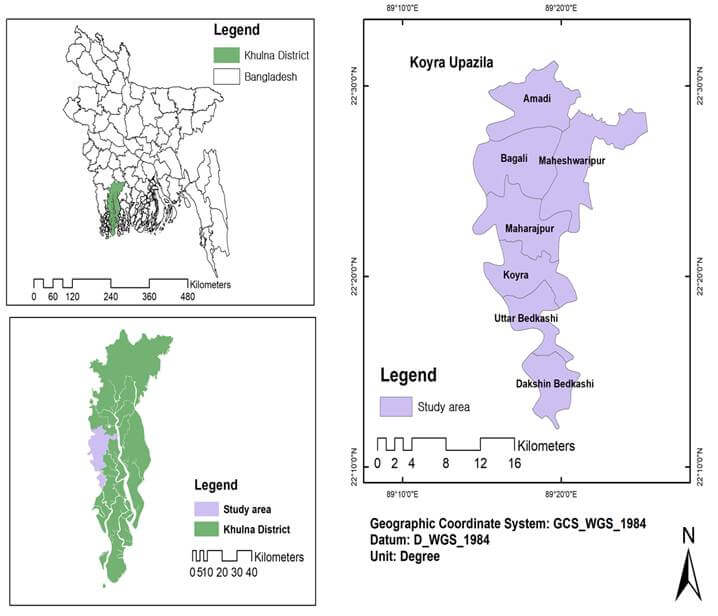
Figure 1. Geographical location of the study area.
Beyond environmental stressors, the socio-economic conditions of coastal communities also heighten their exposure to climate risks. Limited access to resources, weak market infrastructure, and constrained livelihood opportunities increase their overall vulnerability (Kundu et al., 2020). The economy of Koyra Upazila is predominantly agrarian, with a large share of the population dependent on crop farming, aquaculture, and fishing for income and subsistence (Kundu et al., 2020; Mamun et al., 2024). Household incomes tend to be low, and many families frequently face seasonal food insecurity due to climate-driven uncertainties in agricultural production (Mamun et al., 2024). Low levels of education and limited technical knowledge further restrict farmers’ ability to adopt modern agricultural practices and to fully benefit from agricultural extension services (M. K. Islam & Farjana, 2024).
Agricultural extension services (AESs) in the upazila are primarily delivered by the Department of Agricultural Extension (DAE), which provides farmers with information, training, and technical guidance at the local level. The Government of Bangladesh has undertaken several projects in the region focusing on climate change adaptation through infrastructure development, early warning systems, and the dissemination of climate-resilient agricultural technologies. Notably, from 2021 to 2025, the DAE has been implementing the project titled “Adaptation to Climate Change through Climate-Smart Technologies in Khulna Agriculture Region”, aimed at minimizing climate-related impacts and reducing the agricultural sector’s contribution to climate change in the region (Nandi et al., 2024). The study area is therefore highly suitable for examining farmers’ perceptions of the effectiveness of AESs in promoting climate-smart agriculture under conditions of high climatic stress and institutional intervention.
2.2. Sampling and Data Collection
The study population consisted of 353 registered farmers listed by the local agricultural extension office in Koyra Upazila, all of whom had continuously received extension services during the previous two years under the project “Adaptation to Climate Change through Climate-Smart Technologies in the Khulna Agricultural Region.” The required sample size of 190 farmers was determined using Yamane’s (1967) formula:
|
|
(1) |

where n denotes the sample size, N represents the total population, and δ = 0.05 denotes the acceptable level of sampling precision (5% margin of error)
A stratified random sampling technique was employed, where each of the seven unions of Koyra Upazila was treated as a distinct stratum. To ensure proportional representation from all seven unions of the upazila, the number of respondents from each union was calculated according to its share of the total registered farming population. The final distribution was as follows: Amadi (34 of 66), Bagali (24 of 41), Koyra (28 of 50), Maharajpur (23 of 48), Maheshwarpur (27 of 49), Uttar Bedkashi (27 of 48), and Dakshin Bedkashi (27 of 51). This proportional allocation strategy preserved population representativeness (N = 353) and minimized sampling bias by capturing farmers from diverse socio-economic backgrounds and geographically distinct areas.
Although the sample consists of project-registered farmers who were actively engaged with agricultural extension services, the age distribution and farm-size composition of the sampled farmers closely reflect the dominant characteristics of smallholder farmers in Koyra Upazila, where agriculture is predominantly small-scale and largely practiced by middle-aged and older farmers. Therefore, the findings can be reasonably extrapolated to the broader population of smallholder farmers receiving AESs in the coastal area of Bangladesh.
A convergent parallel mixed-method design was employed to examine farmers’ perceived effectiveness of AESs in promoting CSA practices in coastal Bangladesh. Quantitative and qualitative data were collected simultaneously from 9 March 2025 to 26 April 2025 through a semi-structured questionnaire and focus group discussions (FGDs), respectively. Four FGDs were conducted, each involving seven farmers, who were included from the survey sample. To capture diverse viewpoints, participants were selected to reflect variations in age and farming experience. Prior to data collection, the research objectives were clearly explained to all participants to ensure informed and voluntary participation.
2.3. Variable Definition, Measurement, and Instrument Validation
The study employed well-defined operational definitions and measures for all variables, utilizing established scales and context-specific indicators to ensure consistency and analytical rigor (Table 1). It included socio-demographic and farm-related variables (e.g., age, education, income, farming experience, and farm size) as well as perceptual and behavioral variables (e.g., adoption of CSA practices, perceived climate change impacts, farming barriers, and perceived effectiveness of AESs). These variables are essential because they capture the key socio-economic and perceptual factors that influence farmers’ decision-making, adaptive behavior, and overall evaluation of extension services.
Table 1. Operational definitions and measurement approaches of study variables.
|
List of variables |
Definition |
Measurement |
|
Age |
Age of respondents |
Assign 1 for each year |
|
Farming experience |
Total number of years the respondent has been engaged in agricultural activities. |
Assign 1 for each year of experience |
|
Income |
Annual household income derived from agricultural sources. |
Assign 1 for each Bangladeshi taka (1$ = 117.65 BDT) |
|
Education |
Formal education level attained by the respondent |
Can’t read and write=0; Primary = 1 up to class 5 Secondary = 2 (class 6–10); Higher Secondary = 3 (class 11–12); Graduate = 4 |
|
Use of information sources |
Frequency of using agricultural information sources |
3–4 time/week = 4; 2–3 time/15 days = 3; Once/ month = 2; Don’t use = 1 |
|
Climate change impact on agriculture |
Perception of how climate change affects their agriculture productivity |
Strongly Agree = 5; Agree = 4; Undecided = 3; Disagree = 2; Strongly Disagree = 1 |
|
Training |
Number of days the respondent participated in CSA-related training |
Assign 1 for each day of training experience |
|
Farm size |
Respondent’s total cultivated land area |
Assign 1 for each hectare (1 hectare = 247.128 decimal) |
|
Farming practice barriers |
Perceived level of barriers that limit adoption of CSA practices |
High = 4; Moderate = 3; Low = 2; Not at all = 1. |
|
Adoption of CSA practices |
Degree to which respondents adopt CSA practices |
Always = 5; Frequently = 4; Occasionally = 3; Rarely = 2; Do not Use = 1 |
|
Perceived effectiveness of AESs |
Perception of AES effectiveness in promoting CSA practices |
Highly Effective = 4; Moderately Effective = 3; Low Effective = 2; Not Effective = 1 |
Note: AES refers to the agricultural extension services.
The survey instrument was designed by integrating insights from existing empirical research with contextual knowledge obtained through field consultations involving experienced farmers and local extension officers. This mixed approach ensured that the instrument was both theoretically grounded and contextually relevant to the realities of coastal agriculture in Bangladesh. We began by identifying 10 key climate change impacts on agriculture, focusing on how coastal farming systems are affected by changing weather patterns, salinity, flooding, and other climate-related challenges.
Following this, we outlined 14 CSA practices that coastal farmers currently apply to cope with these climate challenges. The internal consistency of the adopted CSA practices was satisfactory, with Cronbach’s alpha values of 0.74, indicating acceptable reliability of these practices. These practices included a range of adaptive and mitigation techniques tailored to local conditions, offering insight into how farmers are responding on the ground. To explore the barriers in adapting to climate change, five categories of barriers were included: social, economic, technological, organizational, and personal. The barrier items were adopted from previous studies, which reported a Cronbach’s alpha of 0.79, further supporting the reliability of this construct (Biswas et al., 2024).
In addition, we incorporated 15 AESs based on the National Agricultural Extension Policy 2020 and National Agricultural Policy 2018 (Ministry of Agriculture, 2018; 2020). These services included, among others, training on climate change adaptation, dissemination of stress-tolerant crop varieties, farm management advisory support, facilitation of access to quality inputs and credit, ICT-based information services, support for infrastructure development, and assistance with market access and value addition. Each item was measured using a 4-point Likert-type scale, where responses were coded as: Highly Effective (4), Moderately Effective (3), Low Effective (2), and Not Effective (1). The PEI score was calculated by summing the weighted frequencies of responses across these four categories, with higher scores indicating higher perceived effectiveness (Anzum et al., 2023). To ensure the questionnaire was contextually appropriate, clear, and relevant, it was reviewed and validated by a panel of regional extension officers. Their feedback helped refine the wording and focus of the questions, enhancing the instrument’s accuracy and local relevance. Finally, we tested the internal consistency of the AES effectiveness scale, which showed good reliability, as indicated by a Cronbach’s alpha coefficient of 0.81.
2.4. Data Analysis
We have used descriptive statistics (mean, standard deviation, frequency, and percentage) to describe respondents’ characteristics and key variables (Table 2).
Table 2. Descriptive statistical analysis of study variables.
|
List of variables |
Categories |
Frequency |
Percent (%) |
Mean |
SD |
|
Age |
Young (18–37) |
54 |
28.4 |
|
|
|
Middle aged (38–57) |
91 |
47.9 |
46.51 |
13.64 |
|
|
Old aged (above 57) |
45 |
23.7 |
|
|
|
|
Farming experience |
2–16 years |
63 |
33.2 |
|
|
|
17–31 years |
75 |
39.4 |
24.25 |
14.51 |
|
|
32–46 years |
38 |
20.0 |
|
|
|
|
Above 47 years |
14 |
7.4 |
|
|
|
|
Income |
20000–213000 BDT |
181 |
95.3 |
|
|
|
214000–406000 BDT |
7 |
3.1 |
94136.84 |
73001.43 |
|
|
Above 406000 BDT |
2 |
1.6 |
|
|
|
|
Education |
Illiterate |
31 |
16.3 |
|
|
|
Primary |
49 |
25.8 |
|
|
|
|
Secondary |
81 |
42.6 |
6.85 |
4.4 |
|
|
Higher secondary |
15 |
7.9 |
|
|
|
|
Graduate/Diploma |
14 |
7.4 |
|
|
|
|
Use of information sources |
Low (10–15) |
132 |
69.5 |
|
|
|
Medium (16–20) |
52 |
27.3 |
|
|
|
|
High (above 20) |
6 |
3.2 |
|
|
|
|
Climate change impact on agriculture |
Low impact (35–38) |
9 |
4.7 |
|
|
|
Medium impact (39–44) |
82 |
43.2 |
43.78 |
3.08 |
|
|
High impact (above 44) |
99 |
52.1 |
|
|
|
|
Training |
No training |
96 |
50.5 |
|
|
|
1–30 days |
91 |
47.9 |
|
|
|
|
31–60 days |
1 |
0.5 |
3.72 |
11.07 |
|
|
Above 60 days |
2 |
1.1 |
|
|
|
|
Farm size |
0.12–0.84 Hectare |
171 |
90 |
|
|
|
0.85–1.56 hectare |
13 |
6.8 |
0.48 |
0.37 |
|
|
Above 1.56 hectare |
6 |
3.2 |
|
|
|
|
Farming practice barriers |
Low barrier (31–44) |
7 |
3.7 |
|
|
|
Medium barrier (45–58) |
129 |
67.9 |
55.45 |
6.66 |
|
|
High barrier (above 58) |
54 |
28.4 |
|
|
|
|
Adoption of CSA practices |
Low adoption (17–28) |
28 |
14.7 |
|
|
|
Medium adoption (29–40) |
109 |
57.4 |
35.61 |
7.09 |
|
|
High adoption (above 40) |
53 |
27.9 |
|
|
|
|
Perceived effectiveness of AESs |
Low effectiveness (18–28) |
44 |
23.2 |
|
|
|
Moderate effectiveness (29–39) |
78 |
41.0 |
|
|
|
|
High effectiveness (above 39) |
68 |
35.8 |
|
|
To assess farmers’ perceptions of the effectiveness of AESs, we analyzed the Perceived Effectiveness Index (PEI) by using the following equation that was cited from the previous research articles (Anzum et al., 2023; Debnath & Biswas, 2022).
|
Perceived Effectiveness Index (PEI): PEIh × 4 + PEIm × 3 + PEIl × 2 + PEIn × 1 |
(2) |
Where, PEIh, PEIm, PEIl, and PEIn represent the frequencies of respondents who reported the high, moderate, low, and not effectiveness of AES for CSA practices, respectively. The weights (4, 3, 2, and 1) reflect the relative intensity of perceived effectiveness, with higher values indicating stronger perceived effectiveness of agricultural extension services.
One-way ANOVA was performed to test whether the mean perceived effectiveness of AESs differed significantly across groups categorized by age and years of farming experience. According to Levene’s Test for Homogeneity, the assumption of equal variances was met for the age groups; therefore, the Tukey HSD post hoc test was employed. In contrast, the assumption was violated for the farming experience groups, indicating unequal variances and group sizes; hence, the Games-Howell post hoc test was applied for those comparisons. Furthermore, a multiple regression analysis was performed to determine the extent to which selected predictor variables explain the perceived effectiveness of AESs in promoting CSA practices in coastal Bangladesh. The regression model used is as follows:
|
Y = β₀ + β₁X₁ + β₂X₂ + β₃X₃ + ... + βₖXₖ + ε |
(3) |
Where: Y denotes the perceived effectiveness of agricultural extension services, β₀ is the intercept, β₁, β₂, ..., βₖ are the regression coefficients for the predictor variables X₁, X₂, ..., Xₖ and ε is the error term.
All statistical analyses were performed using IBM SPSS Statistics, Version 24.0. After analyzing the quantitative data, we integrated the qualitative insights from focus group discussions (FGDs) to contextualize and enrich the interpretation of related findings, thereby illustrating the actual conditions in the research area.
3. Result and Discussion
3.1. Descriptive Characteristics of Respondents
The descriptive statistical analysis (Table 2) indicated that the majority (48%) of the respondents were middle-aged (38–57 years), with an average age of 46.51 years. The majority possessed 17–31 years of farming experience, averaging 24.25 years, making them well-suited to assess agricultural extension policies. The findings revealed that 95.3% of the respondents had a low annual income (20000–213,000 BDT or 170–1810$), suggesting potential challenges in adopting new agricultural technologies without external financial assistance. A substantial portion of the farmers (42.6%) had attained secondary-level education (6–10 years of schooling), while 16.3% were illiterate, which could affect their ability to access and use technical agricultural information. Furthermore, 69.5% of respondents had limited access to agricultural sources, with minimal engagement with government extension agents.
In terms of the perceived impact of climate change on agriculture, more than half of the farmers (52.1%) reported a high level of impact. This highlights widespread vulnerability to climate variability and extreme weather events. Access to training was also limited; 50.5% of respondents reported receiving no training, with an average of just 3.72 days. This reveals a considerable need for enhanced capacity-building support. The majority (90%) of farmers operated on small farms between 0.12 and 0.84 hectares, with an average landholding of 0.48 hectares, suggesting significant land constraints.
Regarding farming barriers, a total of 96.3% of farmers encountered medium to high-level barriers, with a mean barrier score of 55.45. These include challenges related to technology access, financial resources, institutional support, and personal limitations. Despite these challenges, 57.4% of farmers reported medium-level adoption of CSA practices and 27.9% showed high adoption, reflecting moderate implementation of climate-smart techniques. As for perceptions of AESs, 41% of farmers found it somewhat effective, 35.8% thought it was highly effective, and 23.2% did not see it as very effective. These findings suggest that while the extension system is generally recognized as relevant, there is substantial scope for improving its reach, responsiveness, and impact.
3.2. Perceived Impact of Climate Change on Agriculture
Our study found that increased soil salinity (mean 4.85), altered weather patterns (mean 4.78), reduced fresh water resources (mean 4.74), poor harvest (mean 4.71), poor vegetative growth in plants (mean 4.65), and declined soil moisture retention capacity (mean 4.55) were the most perceived climate change impacts by the farmers (Figure 2). These factors directly impinge on agricultural productivity, exacerbating livelihood vulnerabilities and underscoring the urgent need for CSA practices.
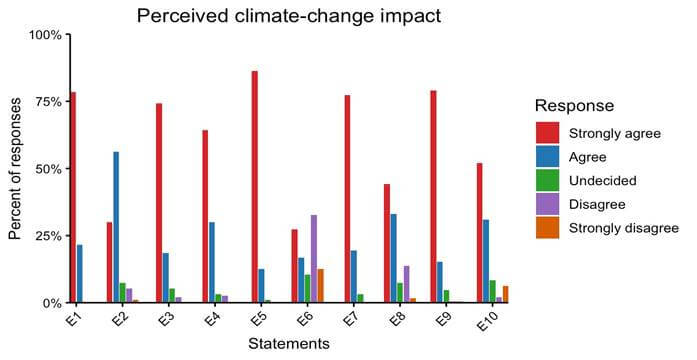
Figure 2. Farmers’ perceptions regarding the impact of climate change on agriculture.
Note: E1: Change in weather pattern; E2: Change in farming schedule; E3: Poor vegetative growth in plants; E4: Declining soil moisture retention capacity E5: Increasing soil salinity in dry season; E6: Extinction of local crop varieties; E7: Reducing fresh water resources; E8: Tidal flood intrusion and waterlogging; E9: Poor harvest: E10: Unpredictable pest and disease outbreaks.
Soil salinity, in particular, severely compromises soil fertility by causing nutrient imbalances and ion toxicities, primarily due to elevated levels of sodium (Na⁺) and chloride (Cl⁻), which disrupt plant metabolic functions, induce oxidative stress, and result in seedling mortality and reduced crop quality (Rahman et al., 2023). Additionally, changes in temperature and rainfall patterns impose significant stress on coastal farming systems by affecting germination rates and vegetative growth, pest and disease dynamics, and increasing the risk of tidal water intrusion and prolonged waterlogging (Biswas et al., 2024; Iqbal & Aziz, 2022).
These climatic challenges have also forced farmers to alter the cropping schedule and, in some cases, abandon traditional local varieties altogether. Despite these hardships, a previous study has reported that adopting CSA practices can offer economic and environmental benefits. Helping farmers sustain livelihoods in the face of climate change (Arfanuzzaman et al., 2016). This underscores the critical importance of promoting and scaling up CSA solutions tailored to the specific challenges of coastal agricultural communities.
3.3. Adoption of Climate Smart Agriculture Practices
The study revealed that coastal farmers have adopted a range of CSA practices, though adoption levels varied across the 14 practices assessed (Figure 3). The most widely used practices included stress-tolerant rice varieties, homestead farming, intercropping, organic farming, the sorjon method, stress-tolerant vegetables and fruits, soil and water conservation, and low external input use. Empirical evidence shows that CSA practices can increase crop productivity by 10.5% and farm profitability by 29.4%, while improving resource efficiency and environmental sustainability (Farah et al., 2025). Conversely, practices such as agricultural waste recycling, mixed cropping, dyke cropping, AWD irrigation, rainwater harvesting, and adjusted cropping schedules showed lower adoption, primarily due to limited resources, inadequate extension support, low awareness, and perceived high costs (Arfanuzzaman et al., 2016).

Figure 3. Farmers’ perceptions regarding the adoption of CSA practices.
Note: T1: mixed cropping; T2: change in cropping schedule; T3: dyke cropping; T4: homestead farming; T5: intercropping; T6: rainwater harvesting; T7: alternate wetting and drying (AWD) irrigation; T8: recycling of agricultural waste; T9: sorjon method; T10: stress-tolerant rice varieties; T11: stress-tolerant vegetables and fruits; T12: organic farming; T13: use of low external inputs; and T14 = soil and water conservation.
Adoption of stress-tolerant rice varieties (saline, drought, short-duration, and submergence-tolerant types) has become essential for maintaining yields under harsh climatic conditions (Roy et al., 2019). Such adaptation is crucial for smallholder farmers, as resilience-building directly supports livelihood sustainability (Billah et al., 2025). Current adopters of stress-tolerant varieties experience a 41-percentage point reduction in multidimensional poverty compared to non-adopters (M. K. Islam & Farjana, 2024). Yield gains average 1.1 tons/ha (28%), increasing from 3.87 to 4.97 tons/ha, while net farm income rises from US$229/ha to US$307/ha, reflecting an income gain of about US$78/ha (23%; Pal et al., 2024). FGDs also confirmed that “stress tolerant crop varieties enable coastal farmers to minimize crop damage during flash floods in the rainy season and reduce irrigation demand for boro rice in the winter season.”
Homestead vegetable farming, particularly using elevated “tower system” during flood and tidal water intrusion in the rainy season, has proven effective in enhancing food security (Biswas et al., 2024). Organic farming and sorjon methods were also widely adopted, helping reduce soil salinity and mitigate climate impacts (Ruba et al., 2024). Farmers noted that “homestead vegetable cultivation and organic practices reduced input costs while increasing dietary diversity, contributing to household food security.” Vermicomposting is increasingly used as a low-cost organic fertilizer, reducing dependence on synthetic inputs.
The sorjon method integrates horticulture on raised beds with fish culture in ditches, optimizing resource use and strengthening farm profitability. Farmers also cultivate stress-tolerant fruits (e.g., watermelon) and apply mulching for high-value vegetables such as capsicum, brinjal, and tomato. Intercropping—such as maize or sugarcane with lentil, chickpea, or vegetables—was widely practiced for resource efficiency and risk reduction. As one farmer noted, “We plant lentils and vegetables between maize or sugarcane rows so that if one crop fails due to salinity or heavy rain, the other still gives us some income.” Another added, “Intercropping helps us use the land better—we get more yield from the same field and can harvest at different times, which gives us cash flow throughout the year.” Prior studies confirm its benefits in enhancing productivity and income diversification in saline regions (Ali et al., 2021).
Although less common, a few farmers have adopted harvesting rainwater by digging small ponds and utilizing this conserved water for irrigation during dry spells, which enhances water availability for crop production and reduces reliance on erratic rainfall (Sarker et al., 2024). Farmers participating in FGDs mentioned that “A few farmers dug small ponds near their fields to store rainwater. During the dry season, we use this water for irrigation-it saves our crops when rainfall is delayed. However, constructing a new pond is very expensive for small-scale farmers; we need more support or collective efforts on a cooperative basis.” Many of the farmers who established such ponds also used the surrounding embankments for dyke farming—cultivating creeping vegetables and fruits—which further contributed to food production in these flood-prone zones.
3.4. Perceived Effectiveness of Agricultural Extension Services
The Perceived Effectiveness Index (PEI) was used to evaluate farmers’ insights on 15 key extension service areas related to agricultural extension policy (Table 3). The findings reveal that farmers viewed several extension services as highly effective, especially the introduction of stress-tolerant crop varieties, stakeholder participation in agricultural decision-making, and training on climate change adaptation (Table 3). CSA promotion campaigns, provision of quality seeds, fertilizers, and pesticides, support for cooperative farming systems, and health and food safety programs were also regarded as valuable areas of extension support. FGDs confirmed that extension organizations played a key role in introducing salt-tolerant and short-duration rice varieties (e.g., BRRI dhan 61, 67, 97, 75, 87), as well as alternative crops such as sunflower, maize, watermelon, and various vegetables, helping farmers diversify and reduce salinity-related risks (Kundu et al., 2020). As one farmer noted, “When the extension officer showed us how to use the new rice variety in the field, I felt more confident to try it myself.” This highlights the importance of institutional support and credibility, which are central to motivating technology adoption. Support from extension organizations not only facilitates the effective dissemination of CSA practices but also builds farmers’ confidence in adopting innovative practices.
Table 3. Farmers’ perceived effectiveness index (PEI) of AESs (N = 190).
|
Agricultural extension services |
HE |
ME |
LE |
NE |
PEI |
Mean |
Rank |
|
Introduction of stress-tolerant crops and varieties |
55 (71.6%) |
66 (11.6%) |
58 (15.3%) |
3 (1.6%) |
678 |
3.53 |
1st |
|
Stakeholder involvement in local agricultural decision-making |
468 (61.6%) |
99 (17.4%) |
62 (16.3%) |
9 (4.7%) |
638 |
3.36 |
2nd |
|
Training to cope with climate change impacts. |
448 (58.9%) |
108 (18.9%) |
32 (8.4%) |
26 (13.7%) |
614 |
3.23 |
3rd |
|
Promotion for climate-smart agricultural practices |
216 (28.4%) |
276 (48.4%) |
30 (7.9%) |
29 (15.3%) |
551 |
2.9 |
4th |
|
Access to quality seeds, fertilizers, and pesticides. |
120 (15.8%) |
225 (39.5%) |
126 (33.2%) |
22 (11.6%) |
493 |
2.59 |
5th |
|
Subsidies to support farmers. |
240 (31.6%) |
108 (18.9%) |
40 (10.5%) |
74 (38.9) |
462 |
2.43 |
6th |
|
Promotion of cooperative farming systems |
152 (20%) |
126 (22.1%) |
118 (31.1%) |
51 (26.8%) |
447 |
2.35 |
7th |
|
Health and food safety initiatives |
132 (17.4%) |
117 (20.5%) |
128 (33.7%) |
54 (28.4%) |
431 |
2.26 |
8th |
|
Advisory support to farmers |
124 (16.3%) |
147 (25.8%) |
66 (17.4%) |
77 (40.5%) |
414 |
2.18 |
9th |
|
Assistance for the adoption of modern agricultural machinery |
16 (2.1%) |
84 (14.7%) |
160 (42.1%) |
78 (41.1%) |
338 |
1.78 |
10th |
|
Initiatives for Fair Market Access |
48 (6.3%) |
105 (18.4%) |
82 (21.6%) |
102 (53.7%) |
337 |
1.77 |
11th |
|
Facilitation in infrastructure development |
12 (1.6%) |
72 (12.6%) |
118 (31.1%) |
104 (54.7%) |
306 |
1.61 |
12th |
|
Use of ICTs in agricultural extension |
104 (13.7%) |
15 (2.6%) |
28 (7.4%) |
145 (76.3%) |
292 |
1.54 |
13th |
|
Value addition of agricultural products |
0 (0%) |
66 (11.6%) |
94 (24.7%) |
121 (63.7%) |
281 |
1.48 |
14th |
|
Credit facility or financial assistance |
24 (3.2%) |
51 (8.9%) |
76 (20.0%) |
129 (67.9%) |
280 |
1.47 |
15th |
Note: HE = Highly Effective = 4; ME = Moderately Effective = 3; LE = Low Effective = 2; NE =Not Effective = 1; and PEI= Perceived effectiveness index.
Farmers emphasized that participation in decision-making and cooperative learning strengthened their ability to adopt climate-resilient practices (Abid et al., 2016). “Communal learning and shared experiences significantly enhance our capacity to implement new methods,” they stated. This collaborative approach, supported by extension services, fosters social capital and enhances community resilience against the impacts of climate change. Training initiatives were also considered highly beneficial, though farmers stressed the need for field-level follow-up: “Training helped us understand new practices, but we need more follow-up in our own land.” This finding indicates that the effectiveness of training interventions is maximized when theoretical instruction is complemented by continuous, practice-oriented support through on-farm guidance.
The localization training should move beyond generic capacity-building toward context-specific and problem-oriented approaches. In coastal areas such as Koyra Upazila, training programs should explicitly address site-specific challenges, including salinity intrusion, soil and water conservation, reduction of agriculture’s contribution to climate change, and climate-risk-based cropping decisions.
Delivering such training through on-farm demonstrations, farmer field schools, and systematic post-training field-level follow-up can enhance the practical relevance of extension messages and support the effective adoption of climate-smart agricultural practices.
However, some extension service areas, such as credit access, value addition, ICT use, infrastructure facilitation, and market access, were perceived as less effective. Smallholder farmers often face difficulty accessing credit due to a lack of collateral, complex application procedures, and high interest rates, which limit their ability to invest in new technologies (Herliana et al., 2018). As several farmers explained during the FGDs: “We want to take loans, but the process is too complex, and without collateral we are not eligible.” Given the very low perceived effectiveness of credit services, stronger coordination between AESs and microfinance institutions is needed. The development of green credit schemes tailored to CSA, along with simplified subsidy application and disbursement through local extension offices, could reduce administrative barriers and enhance smallholders’ financial access, thereby supporting wider adoption of CSA in coastal regions.
Similarly, the low perceived effectiveness of ICT-based extension services suggests the need for more context-appropriate digital strategies. Rather than relying solely on complex mobile applications, AESs could prioritize the development of local-language, data-based agricultural advisory platforms, combined with strengthening extension personnel’s capacity to use social media groups (e.g., WhatsApp, Facebook Messenger) to disseminate timely weather alerts, pest warnings, and crop-specific recommendations. Such hybrid digital approaches may improve information accessibility among farmers with limited digital literacy.
Although climate projects installed mini ponds, poly net houses, and machinery (Nandi et al., 2024), their long-term effectiveness depends on continued technical support, as infrastructure alone is insufficient without follow-up. Moreover, although value addition of agricultural products, such as processing, packaging, branding, and improved market access, can significantly increase profitability (Mbukanma et al., 2025), their practice remains underdeveloped due to limited technical skills, inadequate extension guidance, lack of facilities, and poor linkage to profitable markets. Overall, strengthening weak AES areas, particularly in financial services, value chain development, ICT integration, market access, and infrastructure maintenance, is essential for improving CSA adoption and enhancing resilience in coastal farming systems.
3.5. Perceived Effectiveness of AESs by Age Group
The one-way ANOVA analysis revealed a statistically significant difference among the groups (F = 7.017, p = 0.001), indicating that age significantly influences farmers’ perceptions of extension policy support effectiveness (Table 4). Descriptive statistics showed that younger farmers reported the lowest mean perception score (M = 31.56, SD = 7.54), while the older age group showed the highest mean score (M = 36.96, SD = 6.87). This trend suggests that perceptions of AESs' effectiveness tend to increase with age.
Table 4. One-way ANOVA results showing differences in perceived effectiveness of AESs by age group
|
Dependent |
Age Group |
Descriptive statistics |
ANOVA results |
||||
|
N |
Mean |
SD |
df |
F value |
p value |
||
|
Perceived Effectiveness of AESs |
Young (18 – 37) |
54 |
31.56 |
7.54 |
2, 187 |
7.017 |
0.001*** |
|
Middle aged (38 – 57) |
91 |
35.03 |
7.53 |
||||
|
Old aged (above 57) |
45 |
36.96 |
6.87 |
||||
*** represents less than 1% significance level.
Additionally, the Tukey HSD post hoc test (Table 5) identified significant differences between the young and middle-aged groups (mean difference = −3.48, p = 0.018) and the young and old-aged groups (mean difference = −5.40, p = 0.001), both statistically significant at the 5% and 1% levels, respectively. However, no significant difference was observed between the middle-aged and old-aged groups (mean difference = −1.92, p = 0.328). These findings suggest that older farmers are generally more likely to perceive agricultural extension policies as effective compared to younger farmers, possibly due to greater experience, more prolonged engagement with extension services, or higher levels of trust in institutional support mechanisms.
Table 5. Tukey HSD post hoc test comparing respondent groups based on age.
|
Group Comparison |
Mean Difference (I–J) |
Std. Error |
p-value |
95% Confidence Interval |
|
Young aged vs Middle aged |
−3.48** |
1.27 |
0.018 |
−6.47, −0.48 |
|
Young aged vs Old aged |
−5.40*** |
1.49 |
0.001 |
−8.92, −1.88 |
|
Middle aged vs Old aged |
−1.92 |
1.35 |
0.328 |
−5.10, 1.26 |
Note: Group sizes’
variances were assumed equal based on Levene’s test (p = 0.789). The
dependent variable in this model was the perceived effectiveness of AESs.
*** represents
less than 1% significance level; ** represents less than 5% significance level.
3.6. Perceived Effectiveness of AESs by Farming Experience
The analysis of ANOVA presented in Table 6 demonstrates a significant difference in farmers’ perceptions of AESs effectiveness based on their years of farming experience (F = 7.152, p < 0.001). Descriptive statistics show that farmers with 32–46 years of experience reported the highest perception of extension policy effectiveness (M = 38.86, SD = 5.74), whereas those with 2–16 years (M = 32.16) and above 46 years (M = 32.07) reported lower scores. Furthermore, the Games-Howell post hoc test (Table 7) also revealed statistically significant differences between the groups 2–16 years vs. 32–46 years (p < 0.001), 17–31 years vs. 32–46 years (p = 0.012), and 32–46 years vs. above 46 years (p = 0.040). These results suggest that farmers with 32–46 years of experience are more likely to recognize extension policy interventions as effective. This pattern may reflect the optimal combination of accumulated practical knowledge, openness to innovation, and active engagement with extension services among farmers in this experience group.
Table 6. One-way ANOVA results showing differences in perceived effectiveness of AESs by farming experience.
|
Dependent Variable
|
Farming |
Descriptive statistics |
ANOVA results |
||||
|
N |
Mean |
SD |
df |
F value |
p value |
||
|
Perceived Effectiveness of Agricultural Extension Services |
2 – 16 years |
63 |
32.16 |
6.69 |
3, 185 |
7.152 |
p < 0.001*** |
|
17 – 31 years |
75 |
34.68 |
8.23 |
||||
|
32 – 46 years |
38 |
38.86 |
5.74 |
||||
|
Above 46 years |
14 |
32.07 |
7.93 |
||||
*** represents less than 1% significance level.
Table 7. Games-Howell post hoc test comparing respondent groups based on Farming experience.
|
Group Comparison |
Mean Difference (I-J) |
Std. Error |
p value |
95% Confidence Iterval |
|
2–16 Years vs 17–31 Years |
−2.52 |
1.27 |
0.199 |
−5.82, 0.78 |
|
2–16 Years vs 32–46 Years |
−6.71*** |
1.27 |
0.000 |
−10.02, −3.39 |
|
2–16 Years vs above 46 Years |
0.09 |
2.28 |
1.000 |
−6.38, 6.56 |
|
17–31 Years vs 32–46 Years |
−4.18*** |
1.34 |
0.012 |
−7.69, −0.68 |
|
17–31 Years vs above 46 Years |
2.61 |
2.32 |
0.680 |
−3.93, 9.15 |
|
32–46 Years vs above 46 Years |
6.79** |
2.32 |
0.040 |
0.25, 13.33 |
Note: Levene’s test indicated a violation of the homogeneity of variance
assumption (p = 0.016); therefore, equal variances were not assumed, and
the Games–Howell post hoc test was applied. The dependent variable in this
model was the perceived effectiveness of AESs.
*** represents significance at the 1% level; **
represents significance at the 5% level.
3.7. Determinants of Farmers’ Perceived Effectiveness of Agricultural Services (AESs)
The results of a multiple linear regression analysis (Table 8) identified significant predictors contributing to farmers’ perceptions of the effectiveness of AESs. The overall model was statistically significant (F = 8.071, p < 0.001) and accounted for approximately 31.1% of the variance in the perceived AES effectiveness (R² = 0.311), with a standard error of 6.497, indicating a good model fit.
Table 8. Determinants of farmers’ perceived effectiveness of AESs.
|
Prediction |
β(Unstandardized) |
β (Standardized) |
Std. Error |
t-value |
p value |
VIF |
|
(Intercept) |
47.969*** |
|
9.173 |
5.229 |
<0.001 |
|
|
Age |
0.148 |
0.264** |
0.065 |
2.286 |
0.023 |
3.469 |
|
Farming Experience |
0.001 |
0.002 |
0.059 |
0.015 |
0.988 |
3.280 |
|
Income |
0.022 |
0.212* |
0.011 |
1.948 |
0.053 |
3.068 |
|
Education |
0.079 |
0.045 |
0.117 |
0.669 |
0.504 |
1.197 |
|
Information Source |
0.297 |
0.113 |
0.19 |
1.565 |
0.119 |
1.353 |
|
Climate Change Impact |
−0.500 |
−0.202*** |
0.162 |
−3.092 |
0.002 |
1.110 |
|
Training |
0.123 |
0.179*** |
0.044 |
2.779 |
0.006 |
1.072 |
|
Farm Size |
−4.647 |
−0.223** |
2.089 |
−2.224 |
0.027 |
2.606 |
|
Barrier |
−0.201 |
−0.176*** |
0.073 |
−2.766 |
0.006 |
1.050 |
|
Adoption to CSA |
0.214 |
0.199*** |
0.069 |
3.09 |
0.002 |
1.082 |
|
R² = 0.311, Adj. R² = 0.272, F (10, 179) = 8.071, p < 0.001, SE = 6.497 |
||||||
*** represents less than 1% significance level; ** represents less than 5% significance level; * represents less than 10% significance level.
Among the explanatory variables, age (β = 0.264), training (β = 0.179), and adoption of CSA practices (β = 0.199) were positively associated with farmers’ perceptions of AES effectiveness. Older farmers reported higher AES effectiveness, suggesting that accumulated knowledge and long-term farming experience strengthen adaptive capacity and improve understanding of extension recommendations (M. S. Kabir et al., 2024). This also reflects their longstanding engagement with extension agents, greater familiarity with advisory services, and increased trust built through repeated interactions (Somanje et al., 2021). Training significantly reduced uncertainty and enhanced farmers’ self-efficacy, thereby improving their perceived ease of applying extension advice (Masha et al., 2024). Adoption of CSA practices further reinforced perceptions of AES's usefulness, as farmers who actively implemented CSA practices were better able to observe the tangible benefits of extension guidance in enhancing productivity, resilience, and decision-making (M. K. Islam & Farjana, 2024). When farmers perceive extension services as offering practical, context-appropriate, and easily integrated CSA solutions, adoption increases, leading to stronger positive evaluations of AES effectiveness (M. K. Islam & Farjana, 2024; Omotoso & Omotayo, 2024). Well-designed training programs and targeted promotion of CSA practices can therefore strengthen farmers’ perceptions of extension services, which is essential for sustained engagement and broader adoption of climate-resilient agricultural practices (Akpan & Agulu, 2019).
In contrast, perceived climate change impacts (β = −0.202), farm size (β = −0.223), and barriers to adoption (β = −0.176) were inversely related to perceived effectiveness of AESs. Farmers experiencing greater climate stress, such as salinity intrusion, water scarcity, or extreme weather events, may view existing extension support as insufficient for addressing their specific challenges (M. J. Kabir et al., 2017). This finding suggests that external environmental pressures can overwhelm institutional capacity (Barron et al., 2021). Larger farm sizes might reduce reliance on extension services due to economies of scale, as these farmers often have better access to resources, technology, and private advisory services, lessening their dependence on public extension support (Jamil et al., 2021). Additionally, barriers to adoption, such as a lack of initial investment, poor embankment infrastructure, and low crop prices, could diminish the perceived effectiveness of extension efforts by creating obstacles to implement CSA practices (Billah et al., 2025).
Although the model explains a meaningful share of variation in perceived AES effectiveness, approximately 69% of the variance remains unexplained. This unexplained component likely reflects institutional and social factors not captured in the present analysis, such as the technical competence and communication skills of extension personnel, the quality of farmer–extension agent relationships, levels of social capital and peer influence, and the role of local power structures in shaping access to extension services (Billah et al., 2025).
It is also important to emphasize that this study assesses perceived effectiveness rather than the actual effectiveness of agricultural extension services. Perceived effectiveness reflects farmers’ subjective evaluations based on their experiences, expectations, and interactions with extension services (Somanje et al., 2021), whereas actual effectiveness would require objective indicators such as yield gains, income changes, or measurable improvements in adaptive capacity (Knook et al., 2018). Although perceived and actual effectiveness may not always align, perceived effectiveness remains a critical determinant of farmers’ trust, adoption behavior, and sustained engagement with extension programs (Turyahikayo & Kamagara, 2016).
Overall, these findings highlight the complex interplay of individual, institutional, and environmental factors shaping farmers’ evaluations of AESs and underscore the need for more adaptive, context-sensitive extension approaches to promote CSA in vulnerable coastal regions.
4. Limitations of the Study
Despite its valuable insights, this study is subject to several methodological limitations. The use of self-reported data may introduce potential subjective bias, as responses depend on individual perceptions and recall accuracy. Furthermore, while the relatively small sample size (190) was adequate for this exploratory study, it may limit the generalizability of the findings to the broader coastal regions of Bangladesh, necessitating caution when extrapolating these results (Aryal et al., 2020). Therefore, the findings should be interpreted as indicative rather than universally conclusive. Although the study employed descriptive statistics, ANOVA, and regression analysis to identify the determinants of perceived AES effectiveness, the use of more advanced analytical techniques such as Structural Equation Modeling (SEM) or Multilevel Modeling (MLM) was not applied due to methodological considerations related to sample size and research objectives. Future studies could expand the sampling frame to include non-registered farmers and larger samples across multiple coastal districts to increase statistical power and enhance the generalizability of findings. The geographical scope of the study, confined to a single Upazila, also restricts a comprehensive understanding of regional variations in agricultural extension service delivery and farmer engagement across Bangladesh’s diverse coastal zones.
5. Conclusion
This study provides an in-depth assessment of farmers’ perceptions of the effectiveness of agricultural extension services (AESs) in promoting Climate-Smart Agriculture (CSA) practices among smallholder farmers in coastal Bangladesh. Although 76.8% of respondents reported moderate to high levels of perceived effectiveness, the findings reveal a combination of notable strengths and persistent gaps within the extension system. Effective interventions such as the dissemination of stress-tolerant crop varieties, participatory decision-making processes, and targeted capacity-building programs were strongly associated with increased CSA adoption and more positive views of AESs.
However, farmers also identified significant shortcomings, particularly related to insufficient access to credit, limited value-chain support, inadequate ICT-based services, and weak agricultural infrastructure—issues that were especially pronounced among marginalized and resource-poor households. Perceptions of effectiveness varied significantly by age and farming experience, with older and more experienced farmers expressing more favorable assessments, while greater climate vulnerability, smaller farm size, and higher levels of adoption barriers contributed to more negative perceptions. These findings underscore that a uniform extension approach is unlikely to meet the diverse needs of coastal farmers; instead, a more inclusive, demand-driven, and context-responsive AES model is needed.
Strengthening extension services requires targeted, evidence-based, and institutionally coordinated interventions. Priority actions include developing CSA-oriented green credit products through collaboration between extension agencies and microfinance institutions, simplifying subsidy access via decentralized extension offices, and expanding low-cost, local-language digital advisory services supported by trained extension personnel. In addition, enhancing field-level follow-up, market linkages, and infrastructure support is essential for sustaining CSA adoption. Future research should employ longitudinal designs to examine changes in farmers’ perceptions over time and conduct comparative studies across different agro-ecological zones to improve the generalizability of findings.
CRediT Author Statement: Avijit Biswas: Writing – original draft, Software, Methodology, Formal analysis, Data curation, and Conceptualization. Probir Kumar Mittra: Writing – original draft, Supervision, Software, Resources, and Formal analysis. Shuvrojit Biswas: Writing – original draft, Data curation, and Visualization. Dhiman Majumder: Data curation and Validation. Prome Debnath: Writing – review & editing, Software, Methodology, Formal analysis, Conceptualization, Visualization, and Supervision.
Data Availability Statement: Data will be made available on request.
Funding: This research received no external funding.
Conflicts of Interest: The authors declares no conflict of interest.
IRB Statement: Not applicable.
Informed Consent Statement: Informed consent was obtained from all subjects involved in the study.
Acknowledgments: We sincerely acknowledge the Department of Agricultural Extension (DAE), Koyra Upazila, for providing access to project documentation, including records of extension activities and the list of farmers involved in the Climate-Smart Agriculture initiative. Our heartfelt appreciation goes to the farmers who participated in the survey and generously shared their time, experiences, and insights.
Abbreviations
The following abbreviations are used in this manuscript:
|
AES |
Agricultural Extension Service |
|
AWD |
Alternate Wetting and Drying |
|
CSA |
Climate Smart Agriculture |
|
DAE |
Department of Agricultural Extension |
|
ECT |
Expectation Confirmation Theory |
|
FGD |
Focus Group Discussion |
|
ICT |
Information and Communication Technology |
|
PEI |
Perceived Effectiveness Index |
References
Abedin, M. A., & Shaw, R. (2014). Safe water adaptability for salinity, arsenic and drought risks in Southwest of Bangladesh. Risk, Hazards & Crisis in Public Policy, 4(2), 62–82. https://doi.org/10.1002/rhc3.12033
Abid, M., Schilling, J., Scheffran, J., & Zulfiqar, F. (2016). Climate change vulnerability, adaptation and risk perceptions at farm level in Punjab, Pakistan. Science of The Total Environment, 547, 447–460. https://doi.org/10.1016/j.scitotenv.2015.11.125
Ahmed, N., Howlader, N., Hoque, M. A.-A., & Pradhan, B. (2021).
Coastal erosion vulnerability assessment along the eastern coast of
Bangladesh using geospatial techniques. Ocean &
Coastal Management, 199, 105408.
https://doi.org/10.1016/j.ocecoaman.2020.105408
Akpan, B. E., & Agulu, K. I. O. (2019). Evaluation of farmers’ perception on extension
service delivery in Jos South, Plateau State
Nigeria. International Journal of Innovative Research and Development, 8(6), 167–170.
https://doi.org/10.24940/ijird/2019/v8/i6/jun19052
Ali, S., Ghosh, B. C., Osmani, A. G., Hossain, E., & Fogarassy, C.
(2021). Farmers’ climate change adaptation strategies for reducing
the risk of rice production: Evidence from Rajshahi District in Bangladesh. Agronomy,
11(3), 600.
https://doi.org/10.3390/agronomy11030600
Anzum, H. M. N., Chakraborty, T. K., & Bosu, H. (2023). Farmer’s perception and factors influencing adoption of adaptation measures to cope with climate change: An evidence from coastal Bangladesh. Environment and Natural Resources Journal, 21(2), 1–14. https://doi.org/10.32526/ennrj/21/202200186
Arfanuzzaman, M., Mamnun, N., Islam, M. S., Dilshad, T., & Syed, M. A. (2016). Evaluation of adaptation practices in the agriculture sector of Bangladesh: An ecosystem based assessment. Climate, 4(1), 11. https://doi.org/10.3390/cli4010011
Aryal, J. P., Sapkota, T. B., Rahut, D. B., Krupnik, T. J., Shahrin, S.,
Jat, M. L., & Stirling, C. M. (2020). Major climate risks and adaptation
strategies of smallholder farmers in coastal Bangladesh.
Environmental Management, 66,
105–120.
https://doi.org/10.1007/s00267-020-01291-8
Barron, J., Skyllerstedt, S., Giordano, M., & Adimassu, Z. (2021). Building climate resilience in rainfed landscapes needs more than good will. Frontiers in Climate, 3, 735880. https://doi.org/10.3389/fclim.2021.735880
Becerra-Encinales, J. F., Bernal-Hernandez, P., Beltrán-Giraldo, J. A., Cooman, A. P., Reyes, L. H., & Cruz, J. C. (2024). Agricultural extension for adopting technological practices in developing countries: A scoping review of barriers and dimensions. Sustainability, 16(9), 3555. https://doi.org/10.3390/su16093555
Billah, M. M., Rahman, M. M., Mahimairaja, S., Lal, A., Srinivasulu, A., & Naidu, R. (2025). Constraints and prospects of adoption of climate smart agriculture interventions: Implication for farm sustainability. Climate Smart Agriculture, 2(3), 100066. https://doi.org/10.1016/j.csag.2025.100066
Biswas, A., Debnath, P., & Kang, D. K. (2024). Factors influencing farmers’ barriers to adopting climate smart agriculture practices in the coastal area of Bangladesh. Journal of Agricultural Extension & Community Development, 31(3), 153–175. https://doi.org/10.12653/JECD.2024.31.3.0153
Borychowski, M., Grzelak, A., & Popławski, Ł. (2022). What drives
low-carbon agriculture? The experience of farms from the Wielkopolska region in
Poland. Environmental Science and Pollution Research, 29,
18641–18652.
https://doi.org/10.1007/s11356-021-17022-3
Bruinsma, J. (Ed.). (2003). World
agriculture: Towards
2015/2030 (1st ed.). Routledge.
https://doi.org/10.4324/9781315083858
Chowdhury, M. A., Hasan, M. K., Hasan, M. R., & Younos, T. B. (2020).
Climate change impacts and adaptations on health of Internally
Displaced People (IDP): An exploratory study on coastal
areas of Bangladesh. Heliyon, 6(9),
e05018. https://doi.org/10.1016/j.heliyon.2020.e05018
Debnath, P., & Biswas, A. K. M. A. A. (2022). Community
initiated and practiced climate resilient technology and its effectiveness in disaster
risk reduction at Barisal, Bangladesh. Journal of Agroforestry and
Environment, 15(2), 52–62.
https://doi.org/10.55706/jae1517
Farah, A. A., Mohamed, M. A., Musse, O. S. H., & Nor, B. A. (2025).
The multifaceted impact of climate change on agricultural productivity: A
systematic literature review of SCOPUS-indexed studies (2015–2024). Discover
Sustainability, 6, 397.
https://doi.org/10.1007/s43621-025-01229-2
Filho, W. L., Alam, G. M. M., Nagy, G. J., Rahman, M. M., Roy, S., Wolf,
F., Kovaleva, M., Saroar, M., & Li, C. (2022). Climate change
adaptation responses among riparian settlements: A case
study from Bangladesh. PLoS ONE, 17(12), e0278605.
https://doi.org/10.1371/journal.pone.0278605
Fróna, D., Szenderák, J., & Harangi-Rákos, M. (2019). The challenge of feeding the world. Sustainability, 11(20), 5816. https://doi.org/10.3390/su11205816
Herliana, S., Sutardi, A., Aina, Q., Himmatul Aliya, Q., & Lawiyah, N. (2018). The constraints of agricultural credit and government policy strategy. MATEC Web of Conferences, 215, 02008. https://doi.org/10.1051/matecconf/201821502008
He, W., Qi, C., & Ding, L. (2023). The mechanism
analysis on the farmers’ motivation of using the quality traceability system
based on
TAM-ECM model. Scientific Reports, 13, 22283. https://doi.org/10.1038/s41598-023-49795-7
Intergovernmental Panel on Climate Change. (2023). Climate change 2022 – Impacts, adaptation and vulnerability. Cambridge University Press. https://doi.org/10.1017/9781009325844
Iqbal, M. H., & Aziz, A. (2022). Crop selection as climate change adaptation: A study on Koyra Upazila of Bangladesh. Ecological Economics, 199, 107488. https://doi.org/10.1016/j.ecolecon.2022.107488
Islam, M. T., & Nursey-Bray, M. (2017). Adaptation to climate change in agriculture in Bangladesh: The role of formal institutions. Journal of Environmental Management, 200, 347–358. https://doi.org/10.1016/j.jenvman.2017.05.092
Islam, M. K., & Farjana, F. (2024). Impact of climate-smart
agriculture practices on multidimensional poverty among coastal farmers in
Bangladesh. Communications Earth & Environment,
5, 417. https://doi.org/10.1038/s43247-024-01570-w
Islam, M. R. (Ed.). (2004). Where land meets the sea: A profile of the coastal zone of Bangladesh. The University Press Limited, Dhaka.
Jamil, M. H., Ibrahim, T., Tenriawaru, A. N., Anisa, A., & Hidayat Hy, A. (2021). Farmers’ perceptions of the role of agricultural extension agents in Taroada Village, Turikale District, Maros Regency. IOP Conference Series: Earth and Environmental Science, 807, 032070. https://doi.org/10.1088/1755-1315/807/3/032070
Kabir, M. J., Alauddin, M., & Crimp, S. (2017). Farm-level adaptation
to climate change in Western Bangladesh: An analysis of adaptation
dynamics, profitability and risks. Land Use Policy,
64, 212–224.
https://doi.org/10.1016/j.landusepol.2017.02.026
Kabir, M. S., Akther, R., Islam, S., Rahman, S., Sayadat, N., &
Banik, B. (2024). Climate change dynamics and adaptation strategies: Insights
from Dingapota Haor farmers in Bangladesh. Discover Agriculture, 2,
22.
https://doi.org/10.1007/s44279-024-00027-0
Knook, J., Eory, V., Brander, M., & Moran, D. (2018). Evaluation of farmer participatory extension programmes. The Journal of Agricultural Education and Extension, 24(4), 309–325. https://doi.org/10.1080/1389224x.2018.1466717
Kundu, S., Kabir, M. E., Morgan, E. A., Davey, P., & Hossain, M. (2020). Building coastal agricultural resilience in Bangladesh: A systematic review of progress, gaps and implications. Climate, 8(9), 98. https://doi.org/10.3390/cli8090098
Lou, Y., Feng, L., Xing, W., Hu, N., Noellemeyer, E., Le Cadre, E., Minamikawa, K., Muchaonyerwa, P., AbdelRahman, M. A. E., Machado Pinheiro, É. F., De Vries, W., Liu, J., Chang, S. X., Zhou, J., Sun, Z., Hao, W., & Mei, X. (2024). Climate-smart agriculture: Insights and challenges. Climate Smart Agriculture, 1(1), 100003. https://doi.org/10.1016/j.csag.2024.100003
MacDicken, K. G. (2015). Global forest resources assessment 2015: What, why and how? Forest Ecology and Management, 352, 3–8. https://doi.org/10.1016/j.foreco.2015.02.006
Ma, W., & Rahut, D. B. (2024). Climate-smart agriculture: Adoption, impacts, and implications for sustainable development. Mitigation and Adaptation Strategies for Global Change, 29, 44. https://doi.org/10.1007/s11027-024-10139-z
Mamun, M. A. A., Li, J., Cui, A., Chowdhury, R., & Hossain, M. L.
(2024). Climate-adaptive strategies for enhancing
agricultural resilience in southeastern coastal Bangladesh: Insights from
farmers and stakeholders. PLOS ONE, 19(6), e0305609.
https://doi.org/10.1371/journal.pone.0305609
Mamun-ur-Rashid, M., Gao, Q., & Alam, O. (2018). Service quality of public and private agricultural extension service providers in Bangladesh. Journal of Agricultural Extension, 22(2). https://doi.org/10.4314/jae.v22i2.13
Masha, M., Bojago, E., & Ngare, I. (2024). Determinants of adoption of urban agriculture (UA) as climate-smart agriculture (CSA) practices and its impact on food security: Evidence from Wolaita Sodo city, South Ethiopia. Discover Sustainability, 5, 168. https://doi.org/10.1007/s43621-024-00365-5
Mbukanma, I., Sithole, V. L., & Hosu, Y. S. (2025). Exploring the factors enhancing marketability of coastal agricultural products in rural South Africa. Economies, 13(5), 141. https://doi.org/10.3390/economies13050141
Ministry of Agriculture. (2018). National agriculture policy 2018. Government of the People’s
Republic of Bangladesh.
https://bangladeshbiosafety.org/wp-content/uploads/2021/03/National-Agricullture
Policy_2018_English.pdf
Ministry of Agriculture. (2020). National agricultural extension
policy. Government of the People’s Republic of Bangladesh.
https://bangladeshbiosafety.org/wp-content/uploads/2024/07/National-Agricultural-Extention-Act-2020-Bangla.pdf
Mitra, B., Rahman, S. M., Uddin, M. S., Mahmud, K., Islam, M. K.,
Arifuzzaman, M., Hafizur Rahman, M. M., & Rahman, M. M. (2023).
Assessing demographic and economic vulnerabilities to
sea level rise in Bangladesh via a nighttime light-based cellular automata
model. Scientific Reports, 13, 13351. https://doi.org/10.1038/s41598-023-40329-9
Mnukwa, M. L., Mdoda, L., & Mudhara, M. (2025). Assessing the adoption and impact of climate-smart agricultural practices on smallholder maize farmers’ livelihoods in Sub-Saharan Africa: A systematic review. Frontiers in Sustainable Food Systems, 9, 1543805. https://doi.org/10.3389/fsufs.2025.1543805
Murshed, S., Paull, D. J., Griffin, A. L., & Islam, M. A. (2021). A parsimonious approach to mapping climate-change-related composite disaster risk at the local scale in coastal Bangladesh. International Journal of Disaster Risk Reduction, 55, 102049. https://doi.org/10.1016/j.ijdrr.2021.102049
Nandi, R., Krupnik, T. J., & Kabir, W. (2024). Crop diversification in Bangladesh: Public policy provisions, practices, and insights for future initiatives. Journal of Agriculture and Food Research, 18, 101486. https://doi.org/10.1016/j.jafr.2024.101486
Omotoso, A. B., & Omotayo, A. O. (2024). Impact of
behavioural intention to adopt climate-smart agricultural practices on the food
and
nutrition security of farming households: A
microeconomic level evidence. Climatic Change, 177, 117.
https://doi.org/10.1007/s10584-024-03775-6
Pal, B. D., Kapoor, S., & Rashid, S. (2024). Adapting to climate
change: The case of saline tolerant seed varieties in coastal Bangladesh.
International Food Policy Research Institute. https://hdl.handle.net/10568/159540
Rahman, M. S., Zulfiqar, F., Ullah, H., Himanshu, S. K., & Datta, A. (2023). Farmers’ perceptions, determinants of adoption, and impact on food security: Case of climate change adaptation measures in coastal Bangladesh. Climate Policy, 23(10), 1257–1270. https://doi.org/10.1080/14693062.2023.2212638
Roy, R., Gain, A. K., Samat, N., Hurlbert, M., Tan, M. L., & Chan,
N. W. (2019). Resilience of coastal agricultural systems in Bangladesh:
Assessment for agroecosystem stewardship strategies. Ecological Indicators, 106, 105525.
https://doi.org/10.1016/j.ecolind.2019.105525
Ruba, U. B., Talucder, M. S. A., Zaman, M. N., Montaha, S., Tumpa, M. F. A., Duel, M. A. K., Puja, R. S., & Triza, A. H. (2024). The status of implemented climate smart agriculture practices preferred by farmers of haor area as a climate resilient approach. Heliyon, 10(4), e25780. https://doi.org/10.1016/j.heliyon.2024.e25780
Sackl, A., Schatz, R., & Raake, A. (2017). More
than I ever wanted or just good enough? User expectations and subjective
quality perception in the context of networked multimedia services. Quality
and User Experience, 2, 3.
https://doi.org/10.1007/s41233-016-0004-z
Sarker, M. M. H., Martínez-Hernández, A. G., Reyes Vásquez, J., Rivadeneyra, P., & Raimondo, S. (2024). Coastal infrastructure and climate change adaptation in Bangladesh: Ecosystem services insights from an integrated SES-DAPSIR framework. Fondazione Eni Enrico Mattei. https://doi.org/10.2139/ssrn.4889633
Somanje, A. N., Mohan, G., & Saitô, O. (2021). Evaluating farmers’ perception toward the effectiveness of agricultural extension services in Ghana and Zambia. Agriculture & Food Security, 10, 53. https://doi.org/10.1186/s40066-021-00325-6
Vincent, A., & Balasubramani, N. (2021). Climate-smart agriculture (CSA) and extension advisory service (EAS) stakeholders’ prioritisation: A case study of Anantapur district, Andhra Pradesh, India. Journal of Water and Climate Change, 12(8), 3915–3931. https://doi.org/10.2166/wcc.2021.329
Wang, F., Harindintwali, J. D., Wei, K., Shan, Y., Mi, Z., Costello, M. J.,
Grunwald, S., Feng, Z., Wang, F., Guo, Y., Wu, X., Kumar, P.,
Kästner, M., Feng, X., Kang, S., Liu, Z., Fu, Y., Zhao,
W., Ouyang, C., … Tiedje, J. M. (2023). Climate change:
Strategies for
mitigation and adaptation. The Innovation Geoscience,
1(1), 100015. https://doi.org/10.59717/j.xinn-geo.2023.100015
Wang, F., Harindintwali, J. D., Yuan, Z., Wang, M., Wang, F., Li, S., Yin, Z., Huang, L., Fu, Y., Li, L., Chang, S. X., Zhang, L., Rinklebe, J., Yuan, Z., Zhu, Q., Xiang, L., Tsang, D. C. W., Xu, L., Jiang, X., … Chen, J. M. (2021). Technologies and perspectives for achieving carbon neutrality. The Innovation, 2(4), 100180. https://doi.org/10.1016/j.xinn.2021.100180
Turyahikayo, W., & Kamagara,
E.
(2016). Trust, perception and effectiveness of extension services in Uganda: A
case of National Agricultural Advisory Services (NAADS). Journal of
Agricultural Extension and Rural Development, 8(11), 224–231.
https://doi.org/10.5897/jaerd2016.0806
Yamane, T. (1967). Elementary sampling theory. Prentice-Hall.
https://www.sidalc.net/search/Record/KOHA-OAI-TEST:43418
Zheng, H., Ma, W., & He, Q. (2024). Climate-smart agricultural practices for enhanced farm productivity, income, resilience, and greenhouse gas mitigation: A comprehensive review. Mitigation and Adaptation Strategies for Global Change, 29, 28. https://doi.org/10.1007/s11027-024-10124-6