Article
Assessment of Impact, Vulnerability, and Farm Households’ Adaptation in the Context of Climate Change: A Study on Six Agro-Climatic Zones of Assam, India
Dikshita
Kakoti 1 , Manuranjan
Gogoi 2,*, Yova
Kumar Boro 3, Pranjal
Protim Buragohain 4
, Manuranjan
Gogoi 2,*, Yova
Kumar Boro 3, Pranjal
Protim Buragohain 4 and
and
Ajit Debnath 1
1 Department
of Economics, Mahapurusha
Srimanta Sankaradeva University, Nagaon 782001, India;
dikshitakakoty28@gmail.com (D.K.); ajitdebnathrgu@gmail.com (A.D.)
2 Department of Economics, Madhabdev University, Lakhimpur 784164, India;
3 Department of Sociology,
Mahapurusha Srimanta Sankaradeva University, Nagaon 782001, India;
yovaboro124@gmail.com
4 Department of Economics, Dibrugarh University, Dibrugarh 786004, India; ppbecodu@gmail.com
* Correspondence: manuranjan7@gmail.com
|
Citation: Kakoti, D., Gogoi, M., Boro, Y. K., Buragohain, P. P., & Debnath, A. (2026). Assessment of Impact, Vulnerability, and Farm Households’ Adaptation in the Context of Climate Change: A Study on Six Agro-Climatic Zones of Assam, India. Agricultural & Rural Studies, 4(1), 14. https://doi.org/10.59978/ar04010002 Received: 13 October 2025 Revised: 17 December 2025 Accepted: 22 December 2025 Published: 11 February 2026
Copyright: © 2026 by the authors. Licensee SCC Press, Kowloon, Hong Kong S.A.R., China. This article is an open access article distributed under the terms and conditions of the Creative Commons Attribution (CC BY) license. |


Abstract:
This study investigates the impact of climate change on farm households across six agro-climatic zones of Assam, India, characterized by diverse topographies and climate-related challenges. The zones, ranging from flood-prone areas to hilly terrains, experience unique climate-related stresses, including floods, droughts, and soil erosion. To develop region-specific strategies, this research identifies the determinants of adaptive management practices employed by farmers in response to these climate-related challenges. The study reveals that Assam is highly vulnerable to climate change impacts, including erratic rainfall, rising temperatures, and extreme weather events. To mitigate these effects, farmers have adopted various adaptation measures, which are analyzed to understand their effectiveness in coping with climate change in Assam. The research area comprises six districts from each agro-climatic zone. The study found that the majority of farmers remain heavily reliant on the monsoon, as evidenced by the limited attention given to their choices in adopting irrigation facilities, with only 30 percent of the surveyed farmers implementing this strategy. A total of nine factors influencing adaptation strategies were assessed using a binary logistic model (BLM) or regression analysis. More than 86 percent of farmers in the study area reported having experienced climate change over the last 30 years. Furthermore, farmers’ awareness and perceptions regarding alterations in rainfall and temperature revealed that a considerable number acknowledged fluctuations in rainfall; however, in relation to temperature, they observed an increase only in the past three years, attributing this rise primarily to increasing relative humidity as a significant factor.Keywords:
adaptive management; climate change; perception on climate change; agriculture1. Introduction
Climate change poses significant challenges for agriculture, particularly affecting marginalized and small farmers who rely heavily on farming for their livelihoods. Without appropriate adaptation strategies, the impact of climate change could worsen dramatically (Elum et al., 2016; Elum & Snijder, 2023). Adaptation measures are essential to mitigate the negative effects of climate shifts on agricultural practices (Intergovernmental Panel on Climate Change [IPCC], 2023). India, in particular, faces compounded stress from industrial development and urbanization, which further strains its socio-ecological systems. The “global climate risk index” (2023) ranks India as the 8th most vulnerable country out of 182 to climate hazards (Ministry of Finance, 2024). While both adaptation and mitigation policies are available, adaptation is considered a crucial approach in the agricultural sector. While mitigation efforts are important for reducing the long-term effects of climate change, adaptation strategies are vital for reducing the immediate vulnerabilities faced by farmers and farming communities (Wheeler & von Braun, 2013). Implementing effective adaptation practices can safeguard agricultural production, lessen vulnerabilities, and enhance the resilience of farming systems in the face of changing climatic conditions. Thus, it is crucial for agricultural communities to understand available adaptation options and the challenges they might encounter in implementing them. Several studies have explored climate change adaptation using a multinomial logit (MNL) model to analyze the choices farmers make regarding various adaptation strategies (Adimassu & Kessler, 2016; Begum & Mahanta, 2017; Deressa et al., 2009; Gbetibouo, 2009; Hisali et al., 2011; Marie et al., 2020; Nhemachena & Hassan, 2007). However, this approach may not adequately capture the reality, as many households adopt multiple adaptation strategies simultaneously. Grouping adaptation responses, such as “livelihood diversification by moving to non-farming” or “altering planting decisions by sowing different crop varieties,” can complicate the analysis of the factors influencing farmers’ decisions. Therefore, we have chosen to employ a Binary Logit model to more effectively identify the specific factors that influence farmers’ choices related to each adaptation option. Recent studies have emerged, shedding light on the connection between the agricultural sector and climate change. One segment of this literature examines how climate change affects crop yields in India, while another explores how crop diversity can serve as a strategy for adapting to climate shifts. At a regional level, Upadhyay (2012) analyzed the productivity changes in rice across Assam from 1970 to 2010, utilizing time-series data. In this study, average temperature and annual rainfall were assessed as climate variables, alongside non-climatic factors such as high-yield variety seeds, irrigation coverage, and fertilizer use. The multiple regression results suggest that rising temperatures negatively impact rice productivity, whereas rainfall has a beneficial effect. In another approach, Mandal and Singha (2020) applied the feasible generalized least squares method to a stochastic yield function to evaluate the effects of climate change on the mean yields of five crops—winter, summer, autumn rice, mustard, and potato—using district-level panel data from 1991 to 2013. Their findings indicate that expected extreme temperatures could severely reduce average yields of summer rice and mustard, while typical mean temperatures exhibited a non-linear influence on the yield variability of summer rice, winter rice, and potatoes. Looking at adaptation strategies, Begum and Mahanta (2017) explored how farmers respond to mitigate the adverse effects of climate change, identifying key factors that shape their adaptive choices. Interviews with 230 farmers across three agro-climatic zones in Assam revealed common strategies such as fertilizer application, crop variety adjustments, innovative farming practices, and changes in planting schedules. Their Probit regression analysis identified income levels, non-farming extension services, and access to credit as primary influences on these adaptation decisions.
Different agro-climatic zones often face distinct challenges regarding access to technology, infrastructure, and information. By analyzing the factors that determine these disparities, we can better address the needs of all farmers and provide equitable support. It’s vital to study how farmers in Assam’s varied agro-climatic zones adapt their management practices in the face of climate change. This understanding is crucial for crafting targeted strategies that enhance food security and sustainable livelihoods. Despite various policy initiatives aimed at fostering farm-level adaptation, the adoption rates remain notably low across different states (Kharumnuid et al., 2018). Bryan et al. (2013) investigate farmers’ views on climate change, current adaptation strategies, and the factors that affect farmers’ decisions to adapt in Kenya. The findings indicate that households encounter significant obstacles in adapting to climate change. Although many households have implemented minor modifications to their farming methods in response to climate change (notably, altering planting choices), only a few households can afford to make more substantial investments, such as in agroforestry or irrigation, despite a willingness to invest in such initiatives. This highlights the necessity for increased investments in rural and agricultural development to enhance the capacity of households to make strategic, long-term choices that influence their future well-being. Bryant et al. (2000) emphasize agricultural adaptation as a deliberate proactive or reactive response to climate-related changes, influenced by various factors. A notable characteristic of the methodologies employed in research on adaptation within Canadian agriculture is the emphasis on the significant role of human agency. Many individual farmers believe they are well-equipped to adapt to climate due to their extensive “technological” toolkit, which instills confidence in their ability to manage climatic changes. In numerous regions, there is minimal concern regarding climate change, except in cases where specific types of climatic vulnerability are present. Farmers react to biophysical factors, including climate, as they engage with a complex array of human factors. Several of these factors, particularly institutional and political ones, have tended to reduce the risks at the farm level associated with climatic variability and change, yet they may also exacerbate the long-term vulnerability of Canadian agriculture. Despite the technological and management adaptation strategies accessible to producers, Canadian agriculture continues to be susceptible to climatic variability and climate change. Sarkar and Padaria (2015) carried out a study in the Shimla and Kullu districts of Himachal Pradesh, India, aimed at assessing the knowledge and awareness levels of farmers regarding climate change. A total of 100 farmers were interviewed, and information was gathered from various experts to develop future extension strategies. The findings indicated that only 22 percent of respondents were aware of climate change in the region, while 43 percent had knowledge of the various human-induced factors contributing to climate change. The study highlights the low levels of knowledge and awareness among the sample, suggesting the necessity for an intensive extension education program to enhance their capacity and empower them with information. From the existing literature, it is found that there is a pressing need for comprehensive research to identify the factors influencing farmers’ adaptive behaviours. This study seeks to bridge that gap by examining the diverse adaptation measures utilized by farmers in both dry and flood-prone areas within Assam’s agro-climatic zones, as well as the barriers they face in implementing those practices. The following Figure 1 shows the agro-climatic zones of Assam.
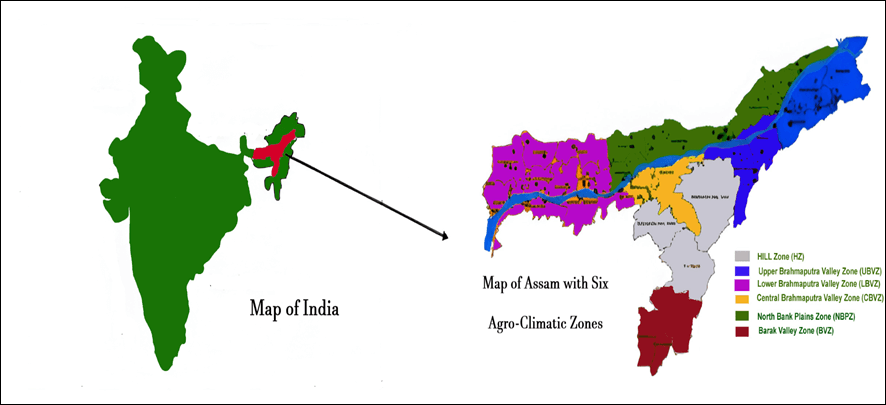
Figure 1. Map of India and Assam with Six Agro-Climatic Zones.
2. Materials and Methods
The data collection took place in the second half of 2024 using a self-structured survey schedule. From the six agro-climatic zones of Assam, namely Hill Zone (HZ), Upper Brahmaputra Valley Zone (UBVZ), Lower Brahmaputra Valley Zone (LBVZ), Central Brahmaputra Valley Zone (CBVZ), Barak Valley Zone (BVZ), and North Bank Plains Zone (NBPZ), six districts have been selected, namely Golaghat, Nagaon, Barpeta, Lakhimpur, Cachar, and Dima Hasao. These areas were chosen due to their agricultural prominence and notable climatic variations after a thorough analysis of secondary data. To explore the adaptability and vulnerabilities of farmers in the face of climate change, we employed a multistage purposive sampling approach. This method involved selecting blocks, villages, and households based on observed rainfall inconsistencies and agricultural climate predispositions.
A total of 2 blocks from each district and 2 villages from each block, i.e., a total of 12 blocks and 24 villages have been selected for the survey, which is based on various aspects like the variability of the crops cultivated, flood-prone & relatively dry areas, as their means of adaptation vary depending on all these aspects. Subsequently, the perception of climate change, determinants of adaptation considering socio-economic factors, and barriers to adaptation are discussed separately. Finally, the study gathered primary data from around 300 agricultural households randomly.
The following Figure 2 shows the sample design by taking households as a unit of analysis.
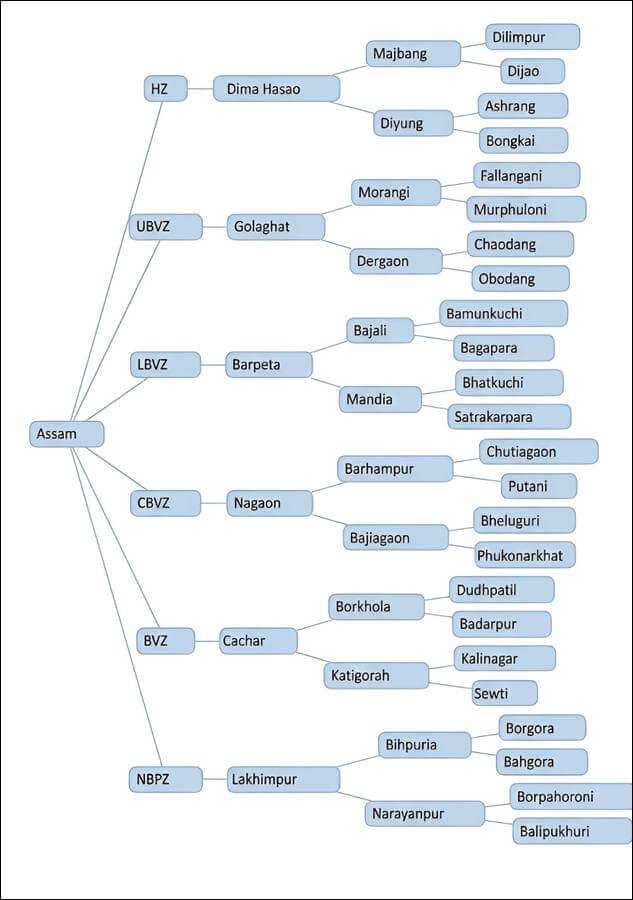
Figure 2. Sample Design.
We focused on farm households engaged in farming activities, whether on their own land or rented land, recognizing these households as the primary decision-makers and actors in agricultural practices. The survey aimed to capture local perceptions and observations regarding climate change mitigation strategies. We also gathered insights into the socio-economic conditions of the farmers, their adaptations, and their access to information about climate change and new agricultural techniques, including climate and agricultural extension services. Additionally, we collected data on four selected crops throughout the seasons of summer, monsoon, post-monsoon, and winter. The survey questionnaire addressed several key mechanisms: (a) self-reported climate change mitigation approaches adopted by farmers; (b) assessments of adaptive strategies in farming practices; (c) the extent of specific challenges farmers faced that could hinder adoption and coping strategies; and (d) demographic information focusing on essential socio-economic factors. For components (b) and (c), responses were measured on a Likert scale, ranging from strongly disagree to highly agree. The “adaptation” variable was classified as a dependent dummy variable, assigned a value of 1 for farmers who reported taking adaptive measures in response to adverse climate impacts, and a value of 0 for those who did not engage in any adaptive actions. Farmers utilize various strategies to enhance their adaptability to climate change, although these strategies often vary based on their socio-economic characteristics. For example, literate farmers may implement different adaptive measures compared to their illiterate counterparts.
Annual family income, farm size, membership in Self-Help Groups (SHGs), access to credit, farming experience, contact with extension service agents, distance to the market, and awareness of climate change information are all factors that shape how farmers adopt measures to cope with environmental degradation and severe weather patterns linked to climate change (Begum & Mahanta, 2017; Guntukula & Goyari, 2020). Regardless of the methods chosen by each farmer, it’s evident that implementing adaptive measures can help mitigate the adverse impacts of climate change on agricultural productivity, household income, and the overall well-being of farmers.
Logistic regression models are widely used in this context because they ensure that the estimated probabilities remain within the range of 0 to 1 (often between these two values). Several researchers have utilized binary logistic regression, yielding consistent findings, such as those from Fosu-Mensah et al. (2012), Adesina and Chianu (2002), Zamasiya et al. (2021), Kgosikoma et al. (2018), and Pathak et al. (2020). The general form of a binary logistic model can be expressed as:
|
|
(1) |

Where Yi is a specific binary dependent variable (one of the adaptation strategies), 𝛽0 is the constant (intercept) term and 1 is a set of coefficients to be assessed. Further, X represents a set of independent variables, and 𝜀𝑖 is an error term. The positive sign of the coefficients of explanatory variables represents the probability of implementing a specific adaptation strategy to climate change. In contrast, a negative sign indicates a reduced likelihood of adopting adaptations. Now, P can also be expressed as:
|
|
(2) |

For simplicity, equation 2 can be expressed as:
|
|
(3) |

Where,
Pi: Probability of adaptation of the “i”th respondent;
e−Zi: refers to the “irrational number” e raised to the power of Zi
Zi: is a function of N-descriptive variables and expressed as:
|
|
(4) |

Where, β0 = Constant term β1, … , βn = Regression co-efficient.
Therefore,
|
|
(5) |


Before estimating the logit model for cross-sectional analysis, we first examined the presence of multicollinearity and heteroscedasticity among the chosen explanatory variables. To accomplish this, we conducted both the contingency coefficient test and the variance inflation factor (VIF) test. Additionally, we utilized a correlation matrix to gauge the relationship between the explanatory variables. A correlation coefficient above 0.4 indicates potential collinearity, and a high correlation coefficient (greater than 0.4) suggests the occurrence of multicollinearity (Long & Freese, 2006). The results from the correlation analysis revealed that age correlates with both education and farming experience. Except for the variables related to contact with extension services and training, the VIF values for all other variables were below 10, with collinearity tolerance and eigenvalues remaining below 1, confirming that multicollinearity is not a significant issue in this model. We fitted an Ordinary Least Squares model, omitting the variables related to contact with extension service agents and training from the final model. To mitigate the effects of heteroscedasticity, we estimated a robust model that utilized a robust variance estimator built on a list of equation-level scores alongside a covariance matrix.
Selection of Dependent and Independent Variables
In the Estimated Models to identify the factors influencing adaptation activities, we performed a logit regression where the dependent variable (adaptation measure) was binary, indicating whether a farm household responded “yes” or “no” to having undertaken a specific action. Consequently, we conducted ten logistic regressions for each adaptation measure implemented by farmers in the study area. The selection of dependent variables was guided by insights from field surveys and relevant existing literature. Similarly, a range of factors influences the adaptation options. Based on literature and experiences from the field, this study takes household, farm, and institutional characteristics, including physical and human resources of the household, as independent variables. This study also considers indicators of perception on changing climate, which include three explanatory variables such as the perception of the farmer on climate change, awareness of increasing temperature, awareness of increasing rainfall, and variability of rainfall. This study also recognizes 10 independent variables mentioned in Table 1, which were most suitable in explaining the usage of farm household adaptation choices. However, as mentioned earlier, explanatory variables are chosen based on the field survey and existing literature. The average age of the respondents was 40 years, with each having around 10 years of farming experience. Households typically comprised about 5 members. On average, each household owned between 27 and 30 Bighas of land, and the market was located approximately 11 kilometers away. Additionally, most respondents reported an education level ranging from lower primary to primary.
Table 1. List of selected dependent and independent variables.
|
Model |
Dependent |
Units of |
Independent |
Description |
Measurement |
impact |
Mean |
SD |
|
1 |
Using different varieties |
1 = using different varieties; 0 = if not |
Age |
Continuous |
Years |
+ − |
40.92 |
8.61 |
|
2 |
Using early maturing varieties |
1 = using early maturing varieties; 0 = if not |
Gender |
Categorical |
1 = male, 0 = female |
+ |
0.77 |
0.41 |
|
3 |
Adjusting planting dates |
1=advance/delayed planting dates; |
Level of education |
Categorical |
Six categories included |
+ |
2.66 |
1.37 |
|
4 |
Irrigation |
1= improved irrigation; 0 = if not |
Farming experience |
Numerical |
Years |
+ |
10.5 |
4.03 |
|
5 |
Crop switching/ mixed cropping |
1 = multiple/ mixed cropping; 0 = if not |
Family size |
Numerical |
Number |
+ |
5.27 |
2.19 |
|
6 |
Crop to livestock |
1 = keeping more livestock; 0 = if not |
Income Prop of Agri income |
Continuous |
Ratio |
+ |
15,000 |
9020.56 |
|
7 |
Non-farming activities |
1 = non-farming activities; 0 = if not |
Land size (overall land owned) |
Continuous |
Bigha |
+ |
27.73 |
13.73 |
|
8 |
Crop insurance |
1 = crop insurance; 0 = if not |
Credit access |
Binary |
1 = yes, 0 = other |
+ |
.64 |
0.32 |
|
9 |
Use of Organic fertilizer |
1 =more fertilizer; |
Membership in SHGs |
Binary |
1 = yes, 0 = other |
+ |
10.5 |
4.03 |
|
10 |
Pest and disease management |
1= increased pest and disease management; 0= if not |
Distance to market |
Continuous |
In Km |
− |
11.78 |
2.54 |
|
(1* = Credit access institutional sources of credit, like, co-operative societies, RRB, Nationalized Banks, milk co-operative societies, Lake Development societies, Plantation Growers’ Association and similar in the study area) |
Information on climate change |
Binary |
1 = yes, 0 = other |
+ |
.75 |
0.42 |
||
Source: Compiled from field survey data.
3. Results
3.1. Farmers’ Perceptions of Climate Change
Gaining insight into farmers’ perceptions of climate variability—specifically regarding temperature, rainfall, and rainfall variability—provides policymakers with valuable information for effective policy design and implementation (Sarkar & Padaria, 2010; 2015). It is particularly crucial to correlate farmers’ perceptions with actual climatological data to formulate a policy agenda aimed at sustainable adaptation to climate change. Consequently, comprehending local perceptions regarding the roots, indicators, and impacts of climate change will enhance our understanding of whether farmers are adapting to long-term changes or merely responding to current observations. All respondents were posed a dichotomous question (“yes/no” response) regarding their experiences of regional climate changes over the past 30 years. Following their initial answers, they were queried about their perceived experiences with a range of climatic events typically associated with global climate change effects in India. Respondents could indicate whether they had observed decreases, increases, or no change in the frequency of these events, or they could express uncertainty. In response to the first question, approximately 87.12% of participants reported that they had perceived climatic changes within the last 30 years. Table 2 illustrates that 87.12% of respondents acknowledged climate change, while the remainder either denied such changes or did not comprehend the variations occurring in the study area. This finding aligns with the research conducted by Chaliha et al. (2012) in the Jorhat district of Assam, which indicated that a majority of respondents had recognized climate change.
Table 2. Perception of farmers on climate change (Distribution of responses to perceived changes in specific climatic events, n = 300).
|
Categories |
% |
Young |
Adults |
Elders |
χ2 |
Illiterate |
literate |
χ2 |
Male |
Female |
χ2 |
|
|
Changes in climate |
87.12 |
5.8 |
74.2 |
7.12 |
0.03** |
33.9 |
61.6 |
0.1 |
8.8 |
8.2 |
0.102 |
|
|
Temperature |
Increased |
76.18 |
4.9 |
66.1 |
5.18 |
0.00*** |
27.9 |
48.4 |
0.203 |
68.8 |
6.6 |
0.163 |
|
Decreased |
6.62 |
2.3 |
2.4 |
1.92 |
1.12 |
3.2 |
5.9 |
0.1 |
4.3 |
5.8 |
0.112 |
|
|
No change |
16.11 |
5.2 |
4.9 |
6.01 |
0.10 |
8.3 |
6.9 |
0.102 |
9.7 |
7.2 |
0.443 |
|
|
Rainfall amount |
Increased |
81.98 |
4.7 |
73.1 |
4.18 |
0.00*** |
20.2 |
64.1 |
0.112 |
74.6 |
8.9 |
0.932 |
|
Decreased |
7 |
1.3 |
0.8 |
4.9 |
0.23 |
0.9 |
1.3 |
0.312 |
4.7 |
0 |
0.203 |
|
|
No change |
14.7 |
4.6 |
3.9 |
6.2 |
0.13 |
6.8 |
5.5 |
0.22 |
8.1 |
6.2 |
0.312 |
|
|
Rainfall variability |
Yes |
78 |
7.3 |
60.4 |
10.3 |
0.01** |
44.9 |
17.8 |
0.021** |
55.2 |
7.5 |
0.11 |
|
No |
8.1 |
2 |
2.5 |
3.6 |
0.12 |
3.8 |
3.4 |
0.1 |
4.7 |
4 |
0.432 |
|
|
Don't know |
32 |
11.1 |
7.8 |
13.1 |
0.91 |
16.7 |
14.1 |
0.101 |
17.6 |
10 |
0.342 |
|
Source: Author’s calculation from raw data. Note: The age clusters are young (> 35), adult (36–64), elder (> 65).
Subsequently, the perceptions of farmers regarding climate change were examined further by categorizing respondents into various age groups, gender classifications, and educational backgrounds. It is likely that different demographic factors influence farmers’ perceptions of climate change. Among the total respondents, 87.12% acknowledged climate change, with 78.8% being male-headed households and 61.6% being literate heads of households. Furthermore, the χ2 analysis indicated a significant difference among the age groups, with 5.8%, 74.5%, and 7.12% of respondents falling into the young, adult, and elder categories, respectively (p ≤ 0.05). This suggests that respondents in the adult age group had a better understanding of climate change compared to those in the young and elderly categories. As age increases, farmers tend to gain better access to and acquire knowledge from various sources (Mihiretu et al., 2021).
3.2. Adaptation Choices of Selected Farmers in the Study Area
To determine the primary adaptation strategies among the selected farm households, respondents were initially asked if they had made any changes or adjustments in their practices in response to climate change and variability (shifts in climate variables) over the past decade. Subsequently, farm households in the sampled villages were inquired about their main adaptation activities to address climate change. The principal adaptation strategies in the study area are illustrated in Figure 3. Among the reported strategies, mixed cropping emerged as the most prevalent approach (78%), while the use of early maturing seeds, which represent a new variety of crops (70%), is the most commonly practiced adaptation technique. Other frequently employed strategies include adjusting planting dates (60%) and modifying cropping patterns (50%). The majority of farmers in the study villages are utilizing early maturing seed varieties (short-duration seeds) to mitigate climate-related hazards. Specifically, paddy farmers indicated that traditional seed types are unsuitable for the current climate conditions due to the changing crop growing seasons.
Furthermore, varieties that mature early are less vulnerable to shorter cropping seasons and do not necessitate prolonged water availability (Farooq et al., 2011). Consequently, farmers in the sample villages are transitioning to early maturing varieties. Approximately 10 percent of farmers indicated that they are switching to tree crop varieties due to the unavailability of short-duration seeds in a timely manner and the lack of government assistance in supplying such varieties. For subsequent analysis, migration and the shift to tree crop strategies are excluded from these practices as they demonstrate lower acceptance rates. In addition, crop insurance is crucial, with around 42 percent of farmers in the study area adopting it as a strategy to mitigate the negative impacts of climate change. Out of 300 farm households in the study area, 156 utilized organic fertilizers to enhance soil fertility, which contributes to increased crop yields. Although the rural population relies on agriculture for their livelihoods, non-farm income has also become an integral part of rural livelihoods.
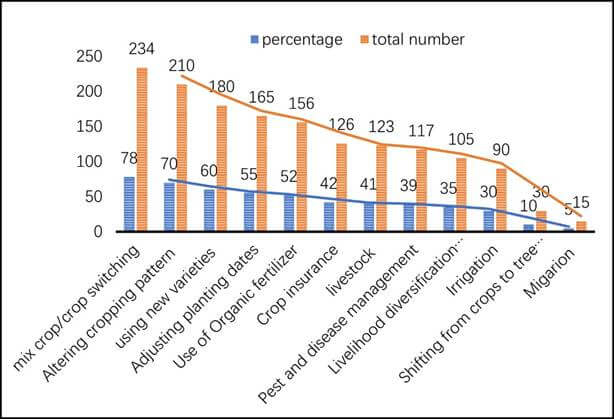
Figure 3. Farm level adaptive practices (n = 300).
The primary motivation for engaging in off-farm activities is that income from non-farm sources is often less susceptible to climate risks compared to agricultural operations. Thus, income diversification is a vital adaptation strategy in response to climate risks. More than 35 percent of farm household members in the sample villages are involved in off-farm income-generating activities to address yield uncertainties associated with climate change. However, due to insufficient credit facilities, they are unable to expand their non-farming ventures. A significant number of farmers remain heavily reliant on the monsoon, as evidenced by the limited attention given to adopting irrigation facilities, with only 30 percent of the selected farmers implementing this strategy. Nevertheless, farm household members also participate in labor work, such as MGNREGA and small businesses. They possess MGNREGA job cards; however, the majority of respondents reported not utilizing these cards because wealthy Zamindars extract the funds. Only 5 percent of the population has been found to migrate to cities such as Guwahati, Hyderabad, and Bangalore, among others, in pursuit of better-paying jobs. Research conducted by Meze-Hausken (2000) and Jha et al. (2018) has also indicated that migration serves as an adaptation strategy in response to global climate change. Furthermore, many farmers are transitioning to livestock farming, as it provides a source of income during dry seasons and periods of drought; they are integrating both practices to mitigate risks. Some marginal farmers are also moving from crop cultivation to livestock. In certain areas of the Lakhimpur and Golaghat districts, this transition is linked to significant sand deposition in agricultural land caused by flooding. Large-scale farmers, particularly those with income from non-farm sectors, are leasing out their land due to the unpredictability of weather conditions. The primary motivation for exiting the agricultural sector is the stable and risk-free income derived from non-farm sources. Determinants of Adaptation Approaches of Selected Farmers in the Study Area: As previously mentioned, farmers’ adoption behavior is shaped by a variety of complex variables, including socioeconomic profiles, demographic characteristics, and biophysical factors. Out of the 10 adaptation measures illustrated in Table 1, we conducted logit regression analysis separately for 9 adaptation measures, excluding migration and the transition from crops to tree crops due to significant multicollinearity issues. In Table 3, we present the coefficients and their significance levels for various indicators. The findings indicate that farm income, access to credit, and educational attainment are the primary determinants of adaptation strategies. Conversely, a significant negative correlation has been observed between adaptation measures and variables such as age, family size, and distance to the market. Additionally, the results demonstrate that male farmers are more inclined to adopt irrigation facilities.
Table 3. Binary Logit Models Outcomes Indicating Factors Determining Adaptation Strategies.
|
Selected Variable |
MODEL I Using new variety crop |
MODEL II Mix cropping/Crop switching |
MODEL III Irrigation |
MODEL IV Adjusting planting dates |
MODEL V More use of organic fertiliser |
MODEL VI Crop to livestock |
MODEL VII Crop insurance |
MODEL VIII Pest and disease management |
MODEL IX Shift to non-farming |
|
CONSTANT |
−2.739 |
−0.980 |
−2.474 |
−2.682 |
−5.049 |
−0.816 |
−5.392 |
−2.379 |
1.093 |
|
3.410 |
1.034 |
1.195 |
1.239 |
1.297 |
1.062 |
1.658 |
1.180 |
1.078 |
|
|
AGE |
−0.047** |
0.040** |
0.043 |
0.055** |
0.022 |
−0.039* |
0.014 |
0.013 |
−0.032* |
|
0.021 |
0.021 |
0.021 |
0.021 |
0.021 |
0.018 |
0.026 |
0.020 |
0.018 |
|
|
SEX |
0.064 |
0.011 |
0.082** |
0.031** |
0.549 |
0.041 |
0.000 |
0.171 |
0.065 |
|
0.345 |
0.352 |
0.372 |
0.358 |
0.372 |
0.321 |
0.583 |
0.354 |
0.327 |
|
|
EDU |
0.234** |
0.354*** |
0.241 |
0.527*** |
0.248* |
−0.038 |
0.648*** |
0.577** |
0.084 |
|
0.141 |
0.155 |
0.132 |
0.153 |
0.143 |
0.121 |
0.171 |
0.143 |
0.123 |
|
|
INCOME |
2.500*** |
3.100*** |
9.55 |
2.420*** |
1.920 |
0.000 |
2.530* |
8.600 |
1.303 |
|
1.090 |
1.150 |
1.06 |
0.000 |
1.010* |
0.000 |
1.500 |
1.06 |
8.910 |
|
|
LAND_HOLDING |
0.107** |
−0.001 |
0.019 |
0.028 |
0.022 |
−0.014 |
0.040** |
0.015 |
−0.015 |
|
0.016 |
0.017 |
0.015 |
0.017 |
0.017 |
0.014 |
0.019 |
0.016 |
0.014 |
|
|
FAMILY_SIZE |
−0.055 |
0.194*** |
−0.171 |
−0.089 |
0.013 |
0.102** |
−0.046 |
0.161** |
0.077** |
|
0.092 |
0.096 |
0.090 |
0.098 |
0.094 |
0.080 |
0.110 |
0.094 |
0.080 |
|
|
DTMAR |
−0.127** |
−0.151** |
0.133 |
−0.208*** |
−0.032 |
0.095 |
−0.067 |
−0.102 |
0.130** |
|
0.064 |
0.065 |
0.064 |
0.069 |
0.065 |
0.057 |
0.083 |
0.063 |
0.057 |
|
|
FE |
0.037 |
0.040 |
0.024 |
−0.010 |
0.090* |
0.079** |
−0.024** |
0.056 |
−0.090** |
|
0.049 |
0.052 |
0.046 |
0.049 |
0.052 |
0.043 |
0.055 |
0.048 |
0.044 |
|
|
CA |
0.928*** |
−0.003 |
0.452 |
−0.177 |
0.836** |
0.203 |
0.544 |
0.248** |
−0.397 |
|
0.352 |
0.390 |
0.324 |
0.363 |
0.345 |
0.310 |
0.393 |
0.338 |
0.314 |
|
|
MSHG |
0.439 |
0.515 |
−0.247 |
0.621* |
0.534 |
−0.341 |
−0.644 |
0.495 |
0.120** |
|
0.339 |
0.343 |
0.329 |
0.347 |
0.354 |
0.298 |
0.417 |
0.334 |
0.300 |
|
|
INCL |
0.335** |
0.019 |
1.294*** |
0.631* |
0.166 |
0.979*** |
−0.014 |
0.581* |
−0.482 |
|
0.365 |
0.357 |
0.422 |
0.383 |
0.395 |
0.332 |
0.614 |
0.371 |
0.340 |
|
|
Base category -no adaptation Number of observation = 300 LR Ӽ2 =168.20 Log likelihood: −143.86 Prob > Ӽ2= 000 |
|||||||||
Source: Author’s calculation.
*** p < 0.01, ** p < 0.05, and * p < 0.10.
The findings indicate that farmers possess a wealth of experience related to their agricultural activities. This experience notably boosts the likelihood of adopting organic fertilizers and expanding into livestock farming. However, in terms of other adaptation strategies, the influence of farming experience appears minimal. Additionally, larger family sizes emerge as a significant factor. As family size increases, there is a marked tendency toward utilizing improved crop varieties, enhancing irrigation practices, and increasing fertilizer application (Deressa et al., 2009). Larger-scale farmers typically have better access to resources, allowing them to invest more inputs for improved yields and production, thus adapting to climate change by increasing their use of inputs like fertilizers and irrigation. Our results also indicate that family size positively and significantly impacts the adoption of mixed cropping, pest and disease management, as well as the transition to non-farming activities. By implementing Integrated Pest Management (IPM) strategies, farmers can more effectively manage pests while reducing the adverse effects of chemical pesticides on both the environment and human health. Regarding landholding, it appears to enhance the likelihood of employing various familiar adaptation approaches. The data suggest that as the amount of land owned by farmers increases, so does the probability of cultivating new crop varieties and securing insurance against crop failure, which helps mitigate losses associated with climate variability. In contrast, other adaptive practices reveal insignificant results. Therefore, it is reasonable to conclude that larger landholdings may lead to a reduced inclination toward crop switching or mixed cropping as an adaptation strategy. This observation aligns with previous research, including studies by Bryant et al. (2000), Bryan et al. (2013), and Sarkar and Padaria (2015).
3.3. Barriers to Implementing Coping Strategies for Farmers in the Study Area
Table 4 highlights the challenges identified by farmers that hinder their ability to adopt the climate change coping strategies. The purpose of these results is to provide an overview of the obstacles rather than to evaluate the severity of these constraints. The findings reveal that “Unpredictable weather” stands out as the primary barrier, with 95.7% of respondents recognizing it as a significant impediment to adaptation. This is followed by a lack of credit or financial resources, cited by 63% of farmers, and insufficient farming inputs, such as seeds, reported by 49.7%.
Table 4. The problems faced by the farmers (n = 300).
|
Difficulty |
Strongly Agree |
Agree |
Neutral |
Disagree |
Strongly Disagree |
Mean |
|
Unpredictable weather |
210 |
68 |
13 |
8 |
1 |
4.36 |
|
|
70 |
22.67 |
4.3 |
2.7 |
0.33 |
|
|
Lack of credit/money |
189 |
76 |
28 |
6 |
1 |
4.23 |
|
|
63 |
25.3 |
9.3 |
2 |
0.33 |
|
|
Shortage of land |
170 |
25 |
90 |
10 |
5 |
4.04 |
|
|
56.6 |
8.33 |
30 |
3.33 |
1.7 |
|
|
Infertile soil |
157 |
100 |
23 |
12 |
7 |
3.78 |
|
|
52.3 |
30 |
7.7 |
4 |
2.3 |
|
|
No access to information |
150 |
110 |
30 |
7 |
3 |
3.52 |
|
|
50 |
36.66 |
10 |
2.33 |
1 |
|
|
Insufficient seed |
149 |
98 |
29 |
18 |
5 |
3.17 |
|
|
49.7 |
32.7 |
9.7 |
6 |
1.7 |
|
|
No Government support |
113 |
8 |
102 |
77 |
0 |
3.11 |
|
|
37.7 |
2.7 |
34 |
25.7 |
|
|
|
Lack of market Access |
108 |
60 |
69 |
58 |
5 |
3.03 |
|
|
36 |
20 |
23 |
19.3 |
1.7 |
|
|
Lack of irrigation |
103 |
98 |
21 |
78 |
0 |
3 |
|
|
34.3 |
32.7 |
7 |
26 |
|
|
|
Insecure property rights |
14 |
6 |
173 |
99 |
8 |
2.73 |
|
|
4.7 |
2 |
57.7 |
33 |
2.66 |
|
Source: Author’s calculation from the Field survey, 2024.
In Assam, agricultural production systems primarily depend on the monsoon, which has led to a lack of interest in enhancing irrigation facilities. Additionally, insufficient support from the government poses further challenges to adapting to climate change. In specific areas like Bihpuria and Narayanpur, larger farmers enjoy easy and timely access to seeds from the Mandal level, while marginal and small farmers struggle to obtain seeds promptly from government sources. These smaller farmers often resort to purchasing seeds from the black market at inflated prices, sometimes ending up with lower-quality seeds. To address these barriers, it is crucial for governments to provide institutional support. The obstacles faced by farming households align with findings from Sarkar and Padaria (2015), Pathak et al. (2020), and Guntukula and Goyari (2020). Interestingly, among those who have not adopted the described strategies, the largest hindrance is the belief that adaptation is unnecessary. This notion stems from farmers’ perceptions that “we cannot do anything” regarding the shifting weather patterns. For instance, over 75% of farmers have reported experiencing increased temperatures, and more than 80% acknowledge that this contributes to losses in production and revenue due to changes in rainfall. Therefore, bridging the gap between farmers’ perceptions and active adaptation strategies is particularly challenging in a region characterized by diverse climatic conditions.
4. Conclusion
This study aimed to explore the awareness of farm households regarding climate change, their adaptation strategies, and the factors influencing these strategies, as well as the obstacles faced by farmers in the region of Assam, utilizing survey data. Most of the farmers are still highly dependent on the monsoon, which is reflected in the fact that their attention to adapting irrigation facilities as an adaptation strategy is insufficient, as only 30 per cent of the selected farmers adopted this strategy. The factors influencing adaptation strategies (a total of nine) were evaluated using a binary logistic model (BLM) or regression analysis. Over 86 percent of farmers in the study area reported experiencing climate change over the past 30 years. Additionally, farmers’ awareness and perceptions regarding changes in rainfall and temperature indicated that a significant number of them recognized variations in rainfall; however, concerning temperature, they noted an increase only in the last three years, attributing this rise to increasing relative humidity as a key factor. Moreover, farmers identified the most commonly employed adaptation strategies as: cultivating new crop varieties such as early maturing types, adjusting sowing or planting dates in response to climatic changes, enhancing irrigation facilities, utilizing more organic fertilizers and pesticides, engaging in crop switching or intercropping, participating in non-farm activities, managing pests and diseases, obtaining crop insurance, and livestock farming, among others. The primary challenges to adaptation reported in the study area include unpredictable weather, lack of credit or financial resources, land shortages, insufficient information on climate, and inadequate government funding. Furthermore, the empirical results from the logit regression analysis demonstrated that factors such as age, education level, gender, annual income, landholding size, family size, access to credit, membership in self-help groups (SHGs), and perceptions of climatic variables significantly influence the adaptation actions of farm households in the region. This study recommends that government policies should concentrate on enhancing these critical determinants to support farmers’ adaptation efforts and reduce their vulnerability.
The findings help policymakers to better think and plan agricultural policies in terms of adaptation to climate change. Some agricultural policies may exacerbate the impact of climate change, while others may be effective in increasing and securing farmers’ incomes. Agricultural policies in terms of adaptation to climate change should integrate at the same time. So it is important to provide them- equitable access to the means of production; Dissemination of technical levers to increase yields per hectare for the greatest number; Sufficiently stable and remunerative levels of agricultural prices; an endogenous growth strategy, initially favoring food sovereignty driven by family farming. Further understanding of the cost of adaptation, the impact of adaptation measures on crop yields, and vulnerability are also important issues that can be considered for future research works.
CRediT Author Statement: Dikshita Kakoti: Conceptualization, Methodology, Data curation, and Writing – original draft; Manuranjan Gogoi: Methodology, Visualization, Investigation, Software, and Writing – review & editing; Yova Kumar Boro: Validation and Writing – review & editing; Pranjal Protim Buragohain: Software and Supervision; Ajit Debnath: Supervision.
Data Availability Statement: The raw data supporting the findings of this study are available from the corresponding author upon reasonable request.
Funding: This research received no external funding.
Conflicts of Interest: The authors declare no conflict of interest.
IRB Statement: Not applicable.
Informed Consent Statement: Not applicable.
Acknowledgments: The authors would like to thank the anonymous reviewers and editors for their valuable suggestions and comments, which helped to improve this manuscript.
Abbreviations
The following abbreviations are used in this manuscript:
|
HZ |
Hill Zone |
|
UBVZ |
Upper Brahmaputra Valley Zone |
|
LBVZ |
Lower Brahmaputra Valley Zone |
|
CBVZ |
Central Brahmaputra Valley Zone |
|
BVZ |
Barak Valley Zone |
|
NBPZ |
North Bank Plains Zone |
|
IPCC |
Intergovernmental panel on Climate Change |
|
SHG |
Self-help Group |
|
MGNREGA |
Mahatma Gandhi National Rural Employment Guarantee Act |
References
Adesina, A. A., & Chianu, J. (2002). Determinants of farmers’ adoption and adaptation of alley farming technology in Nigeria. Agroforestry systems, 55, 99–112. https://doi.org/10.1023/A:1020556132073
Adimassu, Z., & Kessler,
A. (2016). Factors affecting farmers’ coping and adaptation strategies to
perceived trends of declining rainfall and crop productivity in the central
Rift Valley of Ethiopia. Environmental Systems Research, 5, 13.
https://doi.org/10.1186/s40068-016-0065-2
Begum, A., & Mahanta, R. (2017). Adaptation to climate change and factors affecting it in Assam. Indian Journal of Agricultural Economics, 72(3), 446–455. https://www.isaeindia.com/view-pdf/76
Bryan, E., Ringler, C., Okoba, B., Roncoli, C., Silvestri, S., &
Herrero, M. (2013). Adapting agriculture to climate change in Kenya: Household
strategies and determinants. Journal of Environmental Management, 114,
26–35.
https://doi.org/10.1016/j.jenvman.2012.10.036
Bryant, C. R., Smit, B., Brklacich, M., Johnston, T. R., Smithers, J., Chjotti, Q., & Singh, B. (2000).
Adaptation in Canadian agriculture to
climatic variability and change. Climatic Change, 45, 181–201. https://doi.org/10.1023/A:1005653320241
Chaliha, S., Sengupta, A., Sharma, N.,
& Ravindranath, N. H.
(2012). Climate variability
and farmer’s vulnerability in a flood‐prone district
of Assam. International Journal of Climate Change Strategies and Management,
4(2), 179–200.
https://doi.org/10.1108/17568691211223150
Deressa, T. T., Hassan, R. M., Ringler, C., Alemu, T., & Yesuf, M. (2009). Determinants of
farmers’ choice of adaptation methods to climate change in the Nile Basin of
Ethiopia. Global Environmental Change, 19(2), 248–255.
https://doi.org/10.1016/j.gloenvcha.2009.01.002
Elum, Z. A., Modise, D. M., & Marr, A. (2016). Farmer’s perception of climate change and responsive strategies in three selected provinces of South Africa. Climate Risk Management, 16, 246–257. https://doi.org/10.1016/j.crm.2016.11.001
Elum, Z. A., & Snijder, M. (2023). Climate change perception and adaptation among farmers in coastal communities of Bayelsa State, Nigeria: A photovoice study. International Journal of Climate Change Strategies and Management, 15(5), 745–767. https://doi.org/10.1108/IJCCSM-07-2022-0100
Farooq, M., Flower, K. C., Jabran, K., Wahid, A., Kadambot, H. M., & Siddique.
(2011). Crop yield and weed management in rainfed
conservation agriculture. Soil and Tillage Research, 117, 172–183. https://doi.org/10.1016/j.still.2011.10.001
Fosu-Mensah, B. Y., Vlek, P. L. G.,
& MacCarthy, D. S. (2012). Farmers’ perception and adaptation to climate change: A case study of
Sekyedumase district in Ghana. Environment,
Development and Sustainability, 14, 495–505.
https://doi.org/10.1007/s10668-012-9339-7
Gbetibouo, G.
A. (2009). Understanding farmers’ perceptions and adaptations to climate change
and variability: The case of the Limpopo
Basin, South Africa. International Food Policy Research Institute.
https://www.fao.org/fileadmin/user_upload/rome2007/docs/ifpri_limpopo_dp00849.pdf
Guntukula, R., & Goyari, P. (2020). Climate change effects on the crop yield and its variability in Telangana, India. Studies in Microeconomics, 8(1), 119–148. https://doi.org/10.1177/2321022220923197
Hisali, E., Birungi, P., & Buyinza, F. (2011). Adaptation to climate change in Uganda: Evidence from micro level data. Global Environmental Change, 21(4), 1245–1261. https://doi.org/10.1016/j.gloenvcha.2011.07.005
Intergovernmental Panel on Climate Change. (2023). Climate change 2013: The physical science basis. Working Group I contribution to the Fifth assessment report of the Intergovernmental Panel on Climate Change (T. F. Stocker, D. Qin, G.-K. Plattner, M. Tignor, S.K. Allen, J. Boschung, A. Nauels, Y. Xia, V. Bex & P. M. Midgley, Eds.). Cambridge University Press.
Jha, C. K., Gupta, V., Chattopadhyay, U., & Amarayil Sreeraman, B. (2018). Migration as adaptation strategy to cope with climate change: A study of farmers’ migration in rural India. International Journal of Climate Change Strategies and Management, 10(1), 121–141. https://doi.org/10.1108/IJCCSM-03-2017-0059
Kgosikoma, K. R., Lekota, P. C., & Kgosikoma, O. E. (2018). Agro-pastoralists’
determinants of adaptation to climate change. International Journal of
Climate Change Strategies and Management, 10(3), 488–500.
https://doi.org/10.1108/IJCCSM-02-2017-0039
Kharumnuid, P., Rao, I. S., Sudharani,
V., & Kumar, S. (2018). Farm level adaptation practices of potato growing farmers in East
Khasi Hills district of Meghalaya, India. Journal of Environmental Biology, 39(5),
575–580.
http://doi.org/10.22438/jeb/39/5/MRN-639
Long, J. S., & Freese, J. (2006). Regression models for categorical dependent variables using Stata (2nd ed.). Stata Press.
Mandal, R., & Singha, P. (2020). Impact of climate change on average
yields and their variability of the principal crops in Assam. Indian
Journal of Agricultural Economics, 70(3), 305–316. https://www.isaeindia.com/view-pdf/154
Marie, M., Yirga, F., Haile, M., & Tquabo, F. (2020). Farmers’ choices and factors affecting adoption of
climate change adaptation
strategies: Evidence from northwestern Ethiopia. Heliyon, 6(4), e03867.
https://doi.org/10.1016/j.heliyon.2020.e03867
Meze-Hausken, E. (2000). Migration
caused by climate change: How
vulnerable are people in dryland areas? Mitigation and Adaptation
Strategies for Global Change, 5, 379–406. https://doi.org/10.1023/A:1026570529614
Mihiretu, A., Okoyo, E. N., & Lemma, T. (2021). Awareness of climate change and its associated risks jointly explain
context-specific
adaptation in the Arid-tropics, Northeast Ethiopia. SN Social Sciences, 1, 51.
https://doi.org/10.1007/s43545-021-00066-0
Ministry of Finance. (2024). Economic Survey (2024–25). Government of India.
https://www.indiabudget.gov.in/economicsurvey/doc/echapter.pdf
Nhemachena, C., & Hassan, R. (2007). Micro-level analysis of farmers adaption to climate change in Southern Africa. International Food Policy Research Institute. https://cgspace.cgiar.org/items/ae321b5a-ed82-4755-a3b7-dde3d3c430cf
Pathak, S., Panta, H. K., Bhandari,
T., Paudel, K. P. (2020). Flood vulnerability and
its influencing factors. Natural Hazards, 104,
2175–2196.
https://doi.org/10.1007/s11069-020-04267-3
Sarkar, S., & Padaria, R. N. (2010). Farmers’ awareness and risk perception about climate change in coastal ecosystem of West Bengal. Indian Research Journal of Extension Education, 10(2), 32–38. https://api.seea.org.in/uploads/pdf/v10207.pdf
Sarkar, S., & Padaria, R. N. (2015). Measuring farmers’ awareness and knowledge
level about climate change and formulating
future extension strategies.
Indian Research Journal of Extension Education, 15(1), 107–111.
https://api.seea.org.in/uploads/pdf/2015-43-107-111.pdf
Upadhyay, J. (2012). Climate change and its impact on rice
productivity in Assam [Preprint]. SSRN.
http://dx.doi.org/10.2139/ssrn.2172183
Wheeler, T., & von Braun, J. (2013) Climate change impacts on global food security. Science, 341(6145), 508–513. https://doi.org/10.1126/science.1239402
Zamasiya, B., Nyikahadzoi, K., & Mukamuri, B. B. (2021). Drivers of level of adaptation to climate change in smallholder farming systems in
Southern Africa: A multilevel modeling approach. In N. Oguge, D. Ayal, L. Adeleke,
& I. da Silva (Eds.), African handbook of
climate change adaptation, (pp. 213–244). Springer Cham.
https://doi.org/10.1007/978-3-030-45106-6_52