Review
Exploring Social Forestry Research Trends in Indonesia: A Scientometric Analysis Using CiteSpace
Muhammad
Iqbal Nur Madjid 1,2* , Daris Fahmaa Sutata 3, Ikhsan Fiqra Naufalianto 4, Agung Yoga Pangestu 5 and Danis Syahroni 3
1 Faculty of Agriculture, Universitas Sebelas Maret, Surakarta 57126, Indonesia
2 Centre of Soil Quality for Sustainable Agriculture, Universitas Sebelas Maret, Surakarta 57126, Indonesia
3 Faculty of Forestry, Universitas Gadjah Mada, Yogyakarta 55281, Indonesia; darisfahmaa98@ugm.ac.id (D.F.S.); danissyahroni@mail.ugm.ac.id (D.S.)
4 Faculty of Forestry and Tropical Environment, Universitas Mulawarman, Samarinda 75119, Indonesia; ikhsannaufalianto@fahutan.unmul.ac.id
5 Faculty of Industrial Technology, Institut Teknologi Sumatera, Lampung Selatan 35365, Indonesia; agung.pangestu@rh.itera.ac.id
* Correspondence: minmadjid@staff.uns.ac.id
|
Citation: Madjid, M. I. N., Sutata, D. F., Naufalianto, I. F., Pangestu, A. Y., & Syahroni, D. (2025). Exploring Social Forestry Research Trends in Indonesia: A Scientometric Analysis Using CiteSpace. Agricultural & Rural Studies, 3(4), 23. https://doi.org/10.59978/ar03040024 Received: 11 October 2025 Revised: 17 November 2025 Accepted: 21 November 2025 Published: 5 December 2025
Copyright: © 2025 by the authors. Licensee SCC Press, Kowloon, Hong Kong S.A.R., China. This article is an open access article distributed under the terms and conditions of the Creative Commons Attribution (CC BY) license (https://creativecommons.org/licenses/by/4.0/). |


Abstract:
Social forestry in Indonesia is a topic that has been extensively researched due to the active role of communities, especially those living in and around forest areas, in managing the country's forest resources. This is supported by various regulations that provide certainty regarding the rights and access of communities in forest management activities. However, systematic and quantitative research related to the development of social forestry research in Indonesia has not been widely conducted. Therefore, this study was conducted using a scientometric analysis using 1,662 articles from Web of Science. Data analysis was performed using CiteSpace to (i) examine the publication landscape to present the actual condition of scholarly output on social forestry; (ii) map patterns of collaboration to capture the relationships among researchers and institutions; (iii) identify fundamental and pioneering studies; and (iv) trace the evolution, hotspots, and emerging research trends. This research found that the Center for International Forestry Research (CIFOR) got the first rank in the institutional collaboration. In the author collaboration analysis, Ahmad Maryudi has the highest ranked of social forestry topic in Indonesia. The results of the study also show several keywords that are most frequently used by various researchers, namely conservation, management, forest, biodiversity, and community. Overall, this research results would help the new researchers quickly understand developments in social forestry research and fill the existing gaps. Moreover, senior researchers and policymakers can use the integrated research trend information to develop adaptive and inclusive social forestry models that provide ecological and economic benefits.Keywords:
CiteSpace; research hotspots; research trends; social forestry1. Introduction
Forests play a vital role at both global and local scales, providing ecological, economic, and social benefits. Globally, forests function as vital reservoirs of biodiversity and provide essential ecosystem services, including oxygen production, carbon sequestration, regulating water cycles, and climate regulation, which are crucial for mitigating global temperature rise (Bera & Nag, 2025; Hu et al., 2025; Richardson et al., 2023; Turner‐Skoff & Cavender, 2019). Locally, forests contribute to microclimate regulation, support sustainable livelihoods such as tourism, and supply essential household needs, particularly for communities living in forest-adjacent areas (Budiadi et al., 2025; De Frenne et al., 2021; Sutata et al., 2023), thereby making forests integral components of surrounding socio-ecological systems. These multiple roles underscore the urgency of managing forests sustainably.
Community-based forestry is often regarded as one of the most sustainable forms of forest management. Since the 1970s and 1980s, it has gained prominence based on the premise that local communities, when granted adequate property rights over forest commons, are capable of organizing autonomously and establishing local institutions to regulate resource use and manage forests sustainably. Over time, diverse forms of community forestry have emerged across countries, giving rise to terms such as community forestry, social forestry, and community-based forestry, which are often used interchangeably (Gilmour, 2016; Schusser et al., 2016). To address this terminological ambiguity, the FAO adopts community-based forestry (CBF) as an umbrella term encompassing the wide range of initiatives, policies, institutions, and processes aimed at enhancing local communities’ roles in forest governance and management. CBF spans a broad spectrum of governance regimes, from government-led models to customary and communal systems and even privately managed forests (Gilmour, 2016). This approach has particular resonance in Southeast Asia, where communal and customary systems of resource management remain deeply entrenched (Wong et al., 2020).
Indonesia represents one of the most ambitious cases, where community-based forestry has been translated through the “social forestry” policy, which applies a permit-based regime to decentralize management rights over state forests, with a target of 12.7 million hectares to be managed under social forestry schemes (De Royer et al., 2018; Pambudi, 2020; Rahayu et al., 2020). This model is deeply rooted in the country’s colonial legacy of land and forest tenure, under which lands considered to have no legitimate owners were claimed by the state as forest estate, a process that strengthened state authority and generated long-standing tenure conflicts (Sahide & Giessen, 2015). As community-based forestry gained global prominence, Indonesia adopted its principles. However, the country’s highly state-centric tenure structure led to their translation into a government-led permit regime rather than a transformative tenure reform. Consequently, social forestry operates primarily through time-bound permits granted to communities within state forest areas (Widiyanto et al., 2025). The key exception is the customary forest (Hutan Adat) scheme as one of the social forestry policy schemes, which represents a genuine shift toward tenure reform by granting full and permanent rights to customary communities (Fisher et al., 2019; Maryudi et al., 2022).
The formal social forestry policy in Indonesia was initiated in 2007. This was marked by the introduction of the Community Forestry (Hutan Kemasyarakatan) scheme, established under Minister of Forestry (MoFor) Regulation No. 37/2007, and the People Plantation Forest (Hutan Tanaman Rakyat) scheme, governed by MoFor Regulation No. 23/2007. These initiatives were designed as instruments for the redistribution of forest resource access to local communities (Malik & Mawaddah, 2019). This framework was further expanded in 2008 with the enactment of MoFor Regulation No. 49/2008, which established the Village Forests (Hutan Desa) scheme. Despite this regulatory development, the implementation of social forestry permits between 2007 and 2014 remained limited, covering only 449,104.23 hectares. This low level of implementation indicates a lack of a strong policy drive during this period.
A significant shift occurred in 2015 when President Joko Widodo elevated social forestry to a national priority agenda under the Nawacita program, setting an ambitious target of legalizing community access to 12.7 million hectares of forest area by 2019. To streamline implementation, the Ministry of Environment and Forestry (MoEF) issued Regulation No. 83/2016, which defined five schemes under social forestry: Customary Forest (Hutan Adat), Village Forest (Hutan Desa), Community/People Plantation Forest (Hutan Tanaman Rakyat), Community Forestry (Hutan Kemasyarakatan), and Forestry Partnership (Kemitraan Kehutanan). Subsequent policies were enacted to accelerate the program’s progress, including MoEF Regulations No. 39/2017, No. 9/2021, No. 4/2023, and Presidential Regulation (Perpres) No. 28/2023. These efforts substantially expanded social forestry allocation, with the MoEF reporting by May 2023 that 7.08 million hectares of state forest area had been granted under the social forestry scheme. The program’s priority status has been reaffirmed under the administration of President Prabowo Subianto in 2024, which has signaled its intent to increase the quantitative target for the total area under social forestry permits to 15 million hectares (Kompas, 2025).
Forest management contributes directly to the implementation of the Sustainable Development Goals (SDGs; De Jong et al., 2018; Madjid et al., 2025). In particular, social forestry is designed to enhance employment opportunities and strengthen household economies through agroforestry practices and livelihood diversification (Goals 1 & 8; Gunawan et al., 2022; Rakatama & Pandit, 2020; Stoian et al., 2019). The integration of agroforestry within social forestry schemes also offers opportunities to improve local food security (Goal 2: Zero Hunger; Octavia et al., 2022). Furthermore, in line with MoEF Regulation No. 31/2017, social forestry requires the participation of women’s groups in forest management activities (Goal 5: Gender Equality). Such participation is expected to go beyond “nominal” involvement, instead becoming “transformative” through active roles in formulating solutions to community challenges (Anugrah et al., 2022). Devolving management rights to local communities helps to reduce injustices and inequalities, particularly among marginalized groups living adjacent to forests (Goal 10: Reduced Inequalities; Race & Sumirat, 2015).
The implementation of social forestry in Indonesia has emerged as a significant subject of research for both domestic and international scholars. There are previous studies on preparatory actions (Maring, 2022; Putraditama et al., 2021; Wulandari et al., 2021), implementation (Iriyani et al., 2020; Wulandari & Inoue, 2018; Rahayu et al., 2024; Ramadhan et al., 2023), and the impact of social forestry (Situmorang & Yen, 2022; Wahyu et al., 2024). However, despite the growing body of literature, there remains a notable absence of studies that systematically synthesize research trends in this field. A comprehensive understanding of evolving research dynamics is essential for stakeholders to identify emerging themes and shifts in scholarly focus (Chen, 2006). Consequently, this study aims to address this gap by mapping the trajectory of social forestry research in Indonesia, thereby providing a foundation for future scholars to identify underexplored areas and contribute to a more holistic body of knowledge.
Scientometric analysis provides a systematic approach to identify structural patterns and delineate the boundaries of a research field based on databases of scientific publications. This methodology yields insights into past and present scholarly output while also forecasting future knowledge development (Olawumi & Chan, 2018). One of the key instruments in this approach is CiteSpace, a bibliometric visualization tool developed by Chaomei Chen to map research trends, collaborative networks, and conceptual transformations within a scientific domain. CiteSpace has been widely employed to assess publication trends across diverse fields, including tourism and climate change (Fang et al., 2018), forest carbon sequestration (Huang et al., 2020), sustainable tourism (Geng et al., 2024), forest hydrology (Farooqi et al., 2024), forest ecology (Singh & Borthakur, 2018), forest health and disease (Pautasso, 2016), and monitoring of forest fires (Zhang et al., 2025). Despite its extensive application across these disciplines, no study has yet employed a bibliometric approach or utilized CiteSpace to conduct a comprehensive analysis of social forestry research in Indonesia. This gap presents a significant opportunity for novel contributions to the social forestry literature.
This study employs a scientometric analysis to examine the topic of social forestry in Indonesia, utilizing CiteSpace for data visualization. Specifically, this research aims to (i) examine the publication landscape to present the actual condition of scholarly output on social forestry; (ii) map patterns of collaboration to capture the relationships among researchers and institutions; (iii) identify fundamental and pioneering studies; and (iv) trace the evolution, hotspots, and emerging research trends. The findings are expected to contribute to the future development of social forestry research by providing a comprehensive overview of current scholarly trajectories. Furthermore, by highlighting influential researchers and institutions, this study seeks to facilitate enhanced collaboration and knowledge exchange among stakeholders, thereby strengthening the scientific foundation of social forestry practice and policy.
2. Materials and Methods
2.1. Data Collection
This study employs a scientometric analysis approach to synthesize and map publications on social forestry in Indonesia, encompassing contributions from universities, research institutions, government agencies, and NGOs. Scientometric analysis is defined as a quantitative method used to examine patterns in the distribution of scientific literature, thereby providing insights into research trends (Chen et al., 2012). The study relies on secondary data obtained from the Web of Science (WoS) Core Collection, which is widely recognized as a reliable source of scholarly information. Moreover, WoS offers high data integrity, extensive temporal coverage, and comprehensive search features, ensuring both the accuracy and relevance of the findings (Geng et al., 2024).
To ensure accuracy and precision, several criteria were established for document selection:
(1) The search query in the “Topic” field included “social forestry OR community forest OR customary forest OR community plantation forest OR village forest”, combined with “Indonesia” in the “All Fields” column.
(2) Only documents categorized as “Articles” were included.
(3) The geographic focus was limited to Indonesia.
(4) Only publications in English were considered.
(5) The publication period was restricted to January 1st, 2007–December 31st, 2024.
Based on these criteria, data collection was conducted on July 25th, 2025, resulting in 1,662 articles. All selected records were then downloaded and further processed using the CiteSpace application. Some doubts which readers may raise are explained as follows.
(1) Why we select “topic” rather than “title” or “abstract” as a search query: Researchers want to obtain information related to research topics on a broader scale. Meanwhile, when testing using title and abstract options, the number of publications obtained is smaller, raising concerns that it does not adequately represent the distribution of existing articles.
(2) Why we only select “articles” document: Researchers believe that articles undergo a more comprehensive review process than proceedings, so researchers consider the information presented to be more relevant and reliable.
(3) Why we select “Indonesia” as geographic focus: The geographic location is limited to Indonesia to increase the relevance of the filtered articles to the research topic, which focuses specifically on social forestry in Indonesia.
(4) Why we select “English”: English is the language used by researchers around the world. Documents written in English can be understood by many readers, allowing the information they contain to be understood and utilized in a wider context. Moreover, the analysis results would be more relevant if the same language were chosen in the data file.
(5) Why we select this time publication period: Although the research was conducted in mid-2025, researchers considered that adding publication data from 2025 would be inappropriate, given that many articles may be published during the course of this research.
2.2. Data Analysis
The research data were analyzed using CiteSpace software version 6.4.2R2 (64-bit) Advanced. CiteSpace was developed to address inherent biases in traditional literature analysis methods, which often reflect the perspectives of specific disciplinary specializations and may not align with viewpoints from other fields (Chen, 2016). This necessitates an analytical tool capable of supporting multidisciplinary integration. CiteSpace was selected due to its distinct advantages over other bibliometric tools such as VOSViewer, HistCite, and SATI. Its key strengths include: (i) multidimensional analysis, enabling researchers to perform various analyses within a single platform, including cluster analysis, co-citation networks, and keyword evolution; and (ii) visualization capacity, which allows correlations, evolutions, and structural relationships among research articles to be easily identified (Geng & Maimaituerxun, 2022; Zhang et al., 2025).
The configuration of parameters in CiteSpace plays a critical role in determining the quality and scope of scientometric analysis. Accordingly, this study applied the following criteria:
(1) The time slicing was set from 2007 to 2024, with a one-year interval (years per slice = 1).
(2) Node types analyzed included authors, institutions, keywords, journal sources, and categories.
(3) Selection criteria were configured as follows: LRF = 3.0, L/N = 10, LBY = 5, and E = 1.0.
The analysis outputs were visualized in the form of “Science Knowledge Maps,” which illustrate the location and size of nodes within the knowledge network (Shao et al., 2021; Wang et al., 2020). Detailed parameter information is presented in each knowledge map. In cluster graphs, silhouette values were used to measure network homogeneity, where values approaching 1 indicate higher homogeneity, and clusters are generally considered acceptable when ≥ 0.5. Meanwhile, variations in node color and size represent differences in publication years and citation frequencies of individual articles within the network (Lin et al., 2025; Wang et al., 2020).
3. Results
3.1. Research Overview
3.1.1. Analysis of Annual Publication
The publication trend on social forestry has shown a general increase from 2007 to 2024, despite intermittent declines in certain years (2012–2013; 2017–2018; 2020–2021; 2022–2023). Since 2017, the annual number of publications on social forestry has consistently exceeded 100 articles per year. This pattern reflects the growing enthusiasm of researchers to engage in social forestry studies in Indonesia.
Based on the dynamics of literature development (see Figure 1), research on social forestry in Indonesia can be divided into three phases: (i) the start-up phase (2007–2011), characterized by relatively slow growth in publications, with an average of 29 articles per year; (ii) the early development phase (2012–2016), during which the number of publications increased, with an average annual output of 57 articles. Although there was a temporary decline in 2013 (34 articles), publication numbers rebounded and more than doubled by 2015 (71 articles); and (iii) the rapid growth phase (2017–2024), marked by a significant surge in scientific productivity, with an average of 137 articles per year, approximately 2.4 times higher than in the previous phase.
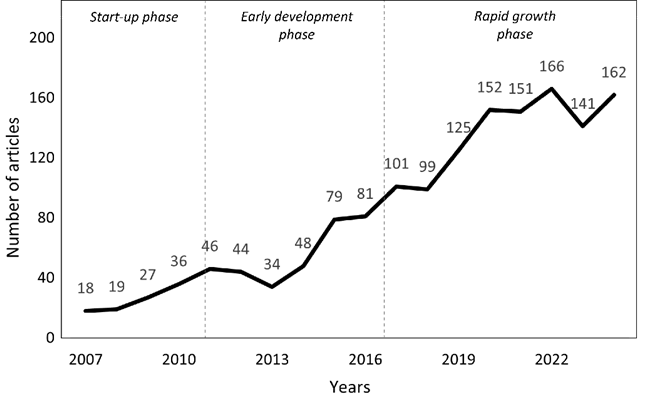
Figure 1. Trend of annual publication.
The dynamics of annual scientific publication volume on social forestry in Indonesia demonstrate a strong correlation with the evolution of national policy directions. The findings of this study indicate that during the period of 2007–2014, publication output remained relatively low, averaging fewer than 50 publications per year. This aligns with the limited realization of social forestry permits issued by the government during the same period, reflecting that social forestry had yet to emerge as a strategic issue in national forest governance. The trend shifted significantly after 2015, marked by a consistent rise in annual publications following the designation of social forestry as a national strategic agenda by President Joko Widodo. This policy transformation spurred growing attention from multiple actors, including research institutions, government agencies, and international organizations, toward social forestry issues in Indonesia. Such a phenomenon underscores the substantial leverage of public policy in shaping both the direction and intensity of scientific publication output.
3.1.2. Analysis of Research Areas
Table 1 presents the top 10 categories for the classification of scientific articles in the field of social forestry in Indonesia. The key findings can be summarized as follows: (i) The majority of research falls within a closely related thematic scope. Research is predominantly situated in the natural sciences, represented by fields such as forestry, environmental sciences, ecology, environmental studies, biodiversity conservation, and plant sciences. In addition, several fields extend beyond the natural sciences, including economics and green sustainable technology, as well as multidisciplinary sciences, which encompass broader research topics. (ii) The distribution of research fields is concentrated in specific categories. Forestry ranks first with 511 articles, followed by environmental sciences (307 articles) and ecology (293 articles). The ‘forestry’ category holds the highest proportion, accounting for nearly one-third of the total publications on social forestry.
Table 1. Top 10 research areas by number of articles.
|
Rank |
Research Areas |
Number of Articles |
% |
|
1 |
Forestry |
511 |
30.75 |
|
2 |
Environmental Sciences |
307 |
18.47 |
|
3 |
Ecology |
293 |
17.63 |
|
4 |
Environmental Studies |
292 |
17.57 |
|
5 |
Biodiversity Conservation |
147 |
8.84 |
|
6 |
Multidisciplinary Sciences |
92 |
5.54 |
|
7 |
Economics |
91 |
5.48 |
|
8 |
Green Sustainable Technology |
66 |
3.97 |
|
9 |
Plant Sciences |
40 |
2.41 |
|
10 |
Biology |
36 |
2.19 |
3.1.3. Analysis of Published Journals
Table 2 presents the top ten journals that have published research articles on social forestry in Indonesia. The findings can be summarized as follows: (i) All journals are linked to environmental issues, with a strong emphasis on forestry, as evidenced by six journals explicitly including the term forest in their titles. (ii) The number of publications varies considerably across journals. Jurnal Manajemen Hutan Tropika ranks first with 109 articles on the subject, followed by Forest and Society (70 articles) and Forest Policy and Economics (62 articles). Journals ranked 4th to 10th each published fewer than 50 articles on the topic. (iii) Thirty percent of the journals originate from Indonesia. Among the top ten, three are published by Indonesian institutions: Jurnal Manajemen Hutan Tropika (IPB University), Forest and Society (Hasanuddin University), and Indonesian Journal of Forestry Research (Forestry Research and Development Agency/FORDA, Ministry of Forestry Indonesia). (iv) Journal impact factors (IF) do not appear to influence publication volume. The top ten journals publishing on social forestry in Indonesia have IF values ranging from 0.75 to 6.992, yet these figures do not determine the ranking in terms of publication output.
Table 2. Top 10 journals by number of articles.
|
Rank |
Journal |
Articles |
% |
IF 2024 |
|
1 |
Jurnal Manajemen Hutan Tropika |
109 |
6.56 |
0.808 |
|
2 |
Forest and Society |
70 |
4.21 |
2.127 |
|
3 |
Forest Policy and Economics |
62 |
3.73 |
4.627 |
|
4 |
Forests |
47 |
2.83 |
2.793 |
|
5 |
International Forestry Review |
47 |
2.83 |
1.15 |
|
6 |
Land Use Policy |
34 |
2.05 |
6.992 |
|
7 |
PLOS One |
31 |
1.87 |
2.824 |
|
8 |
Sustainability |
30 |
1.81 |
4.320 |
|
9 |
Indonesian Journal of Forestry Research |
29 |
1.74 |
0.75 |
|
10 |
Land |
23 |
1.38 |
3.617 |
3.2. Partnerships
3.2.1. Analysis of Institutional Collaboration
Information on institutional collaboration within the top ten institutions in the field of social forestry is presented in Table 3. The key points can be summarized as follows: (i) Collaboration intensity, shown in the count column, indicates that CIFOR recorded the highest level of collaboration (335), followed by Bogor Agricultural University (225) and Universitas Gadjah Mada (148), respectively. (ii) Centrality values reflect the strength of institutional linkages. The three institutions with the most significant roles in the collaboration structure are CIFOR, Bogor Agricultural University, and Universitas Gadjah Mada, with centrality scores of 0.42, 0.22, and 0.16, respectively. (iii) Collaboration among the top ten institutions began during the start-up phase (2007–2011), in line with early publication trends. To date, these institutions continue to engage in social forestry research collaboration, as evidenced by their count and centrality values. A visualization of these institutional networks is provided in Figure 2.
Table 3. Top 10 analysis of institutional cooperation.
|
Rank |
Count |
Centrality |
Starting year |
Institution |
|
1 |
335 |
0.42 |
2007 |
Center for International Forestry Research (CIFOR) |
|
2 |
225 |
0.22 |
2007 |
Bogor Agricultural University |
|
3 |
148 |
0.16 |
2014 |
Universitas Gadjah Mada |
|
4 |
84 |
0.04 |
2022 |
BRIN |
|
5 |
75 |
0.09 |
2008 |
Gottingen University |
|
6 |
44 |
0.01 |
2017 |
Universitas Indonesia |
|
7 |
41 |
0.1 |
2014 |
Ministry Environment & Forestry |
|
8 |
41 |
0.04 |
2017 |
James Cook University |
|
9 |
38 |
0.03 |
2017 |
University British Columbia |
|
10 |
34 |
0.06 |
2013 |
Indonesian Institute Science |
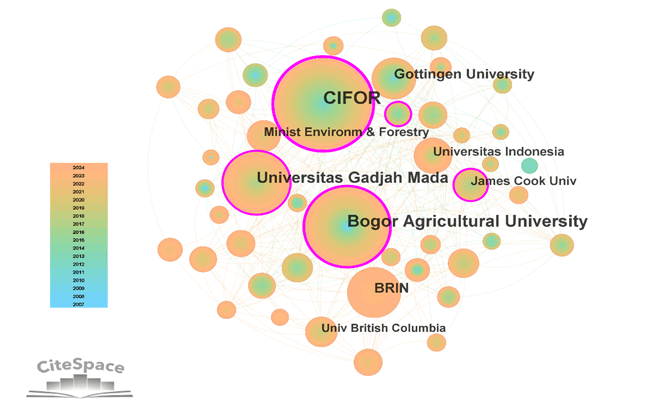
Figure 2. Knowledge map of institutional collaboration.
CIFOR and Bogor Agricultural University are two institutions that rank highest in collaboration on social forestry research in Indonesia. Collaboration between CIFOR and Bogor Agricultural University began in 1997 with a focus on contributing to the development of science in Indonesia (CIFOR, 2017). This collaboration continues, as evidenced by a cooperation contract that is renewed every five years.
3.2.2. Analysis of Country Collaboration
The results of the country-level collaboration analysis (Figure 3) show that Indonesia ranks the highest in producing publications on the selected topic. This is expected, given that the research focus is on social forestry in Indonesia. Nevertheless, several other Asian countries, such as Malaysia and Japan, also demonstrate an interest in conducting research on this topic. In addition, several countries are represented by relatively large nodes, such as England, the USA, Australia, and Germany, indicating a high intensity of publications and collaborative activities. This pattern highlights that Indonesian researchers have the potential to collaborate extensively with scholars from other countries, thereby expanding their networks and producing more comprehensive research outcomes.
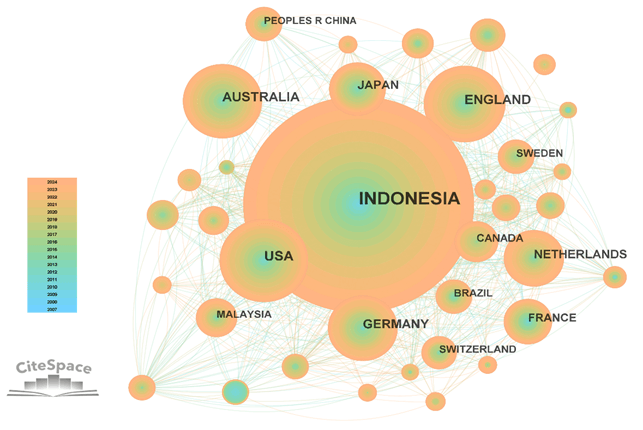
Figure 3. Knowledge map of country collaboration
3.2.3. Analysis of Author Collaboration
Table 4 presents the top 10 authors with the highest number of publications on the topic under study. Ahmad Maryudi, a Professor at the Faculty of Forestry, Universitas Gadjah Mada, Indonesia, ranks first in research on social forestry in Indonesia. His studies primarily focus on the role of actors, institutions, and social forestry policies in the country. Ahmad Maryudi began collaborative research on social forestry policy in 2016 by examining decentralization policies as a strategy for recentralization, continued with a study on customary forest schemes as a prior option for social forestry implementation, and further explored the development of social forestry policy in Indonesia along with its local-level implementation (Myers et al., 2017; Sahide et al., 2016; Sahide et al., 2020). Furthermore, Douglas Sheil, a Professor of Forest Ecology and Forest Management at Wageningen University and Research, the Netherlands, also stands out among the most productive authors. His research in 2007 focused on local conservation practices to maintain tropical forest landscape cover (Padmanaba & Sheil, 2007). Although not originally from Indonesia, Douglas Sheil has demonstrated a strong interest in the topic of social forestry in Indonesia, as evidenced by his 36 published articles on the subject.
Table 4. Top 10 authors collaboration analysis.
|
Rank |
Count |
Centrality |
Year |
Author |
Institution |
|
1 |
43 |
0.19 |
2016 |
Maryudi, Ahmad |
Universitas Gadjah Mada |
|
2 |
36 |
0.26 |
2007 |
Sheil, Douglas |
Wageningen University and Research |
|
3 |
26 |
0.17 |
2017 |
Sunderland, Terry |
University of British Columbia |
|
4 |
24 |
0.02 |
2015 |
Baral, Himlal |
Center for International Forestry Research |
|
5 |
22 |
0.04 |
2012 |
Meijaard, Erik |
University of Kent |
|
6 |
18 |
0.04 |
2012 |
Brockhaus, Maria |
University of Helsinki |
|
7 |
15 |
0.09 |
2020 |
Fisher, Micah R. |
University of Hawaii |
|
8 |
14 |
0.04 |
2009 |
Nasi, Robert |
CIFOR |
|
9 |
14 |
0.03 |
2010 |
Buchori, Damayanti |
Bogor Agricultural University |
|
10 |
14 |
0.00 |
2015 |
Giessen, Lukas |
Dresden University of Technology |
In the author collaboration network, each node represents an individual author. The size of the node corresponds to the number of articles published by that author, while the connecting lines between nodes indicate collaborative relationships between authors (Wang et al., 2020). The author collaboration analysis revealed a network comprising 196 nodes and 200 connections (Figure 4). A larger node size signifies a greater number of publications by the researcher in the field of social forestry in Indonesia, whereas the connecting lines represent co-authorship relationships between researchers. The visualization presented in Figure 4 indicates that several authors, including Ahmad Maryudi, Douglas Sheil, and Terry Sunderland, have engaged in extensive collaboration with other researchers.
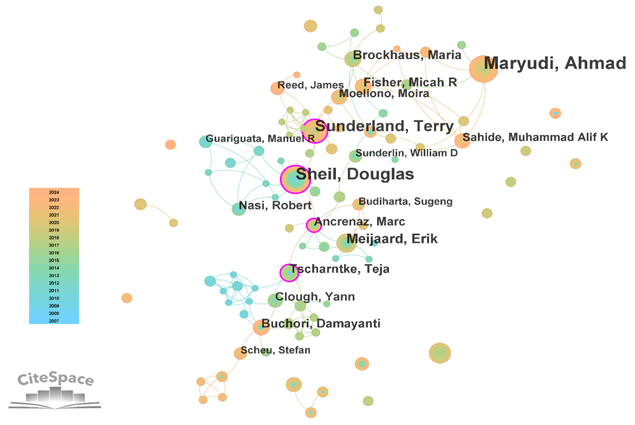
Figure 4. Collaborative authorship mapping in the social forestry topic.
3.3. Co-Citation Analysis
3.3.1. Author Co-Citation Analysis
This analysis illustrates the condition in which documents authored by different writers are cited within the same publication (Sun et al., 2025). The top 10 results of the author co-citation analysis are presented in Table 5. The findings indicate that eight authors received more than 100 citations, with the top three being Ostrom E, Agrawal A, and FAO, with citation frequencies of 141, 139, and 133, respectively. The results further demonstrate that not all highly co-cited entities are individual authors; some, such as FAO, represent institutional or group authors comprising researchers from diverse disciplinary backgrounds.
Table 5. Top 10 author co-citation analysis.
|
Rank |
Count |
Year |
Author |
|
1 |
141 |
2009 |
Ostrom E. |
|
2 |
139 |
2007 |
Agrawal A. |
|
3 |
133 |
2007 |
FAO |
|
4 |
115 |
2016 |
Sahide M. A. K. |
|
5 |
112 |
2014 |
Maryudi A. |
|
6 |
111 |
2008 |
Sunderlin W. D. |
|
7 |
111 |
2009 |
Larson A. M. |
|
8 |
108 |
2010 |
Angelsen A. |
|
9 |
96 |
2015 |
Margono B. A. |
|
10 |
86 |
2013 |
Peluso N. L. |
The researchers ranked in the top 10 in the co-citation analysis produced various studies that played a very important role in the development of social forestry research topics in Indonesia because they provided supporting information for conducting further research. Specifically, Ostrom’s (1999) research focuses on forest management as a shared resource utilized by various stakeholders, including how to regulate management activities. Furthermore, Agrawal (2003) focuses on the division of roles and responsibilities between the community and the government in the decentralization of forest management.
The visualization of the author’s co-citation analysis on social forestry research in Indonesia is presented in Figure 5, consisting of 174 nodes and 419 links. The varying node sizes indicate that larger nodes represent authors whose works have received higher citation counts. Meanwhile, the connections between authors are represented by links, signifying that in other publications, two or more authors are co-cited to support the development of a new article.
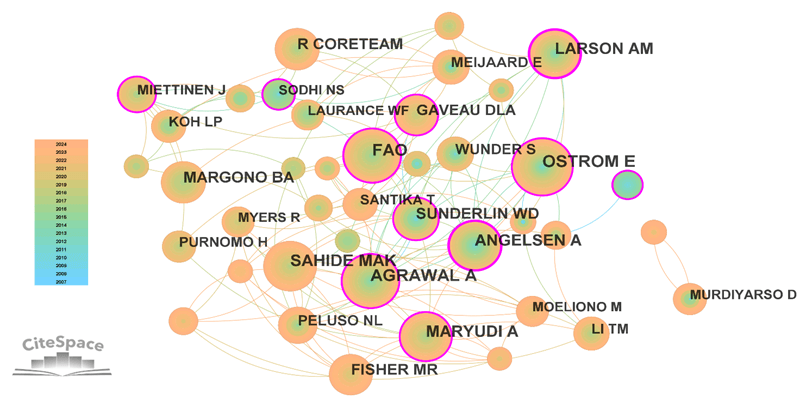
Figure 5. Knowledge map of author co-citation in the social forestry topic.
3.3.2. Journal Co-Citation Analysis
The journal co-citation analysis illustrates how two journals are cited together within a scientific article (Sun et al., 2025), reflecting the extent to which both journals jointly contribute to the development of new research. Table 6 presents the top 10 journals with the highest co-citation frequencies. Research on social forestry is broadly supported by journals in these top 10 rankings, with the three leading journals being Science, Forest Policy and Economics, and PLOS One, which recorded co-citation frequencies of 564, 488, and 482, respectively. The data also indicate that the impact factors of the top 10 journals range from 2.824 to 18.473, underscoring that articles published in these outlets exert a significant influence on advancing knowledge in social forestry as well as in broader forestry research.
Table 6. Top 10 author co-citation analysis.
|
Rank |
Count |
IF 2024 |
Journal |
|
1 |
564 |
15.263 |
Science |
|
2 |
488 |
4.627 |
Forest Policy and Economics |
|
3 |
482 |
2.824 |
PLOS One |
|
4 |
456 |
5.724 |
World Development |
|
5 |
440 |
6.992 |
Land Use Policy |
|
6 |
425 |
4.125 |
Forest Ecology and Management |
|
7 |
419 |
4.406 |
Biological Conservation |
|
8 |
408 |
5.573 |
Conservation Biology |
|
9 |
400 |
18.473 |
Nature |
|
10 |
391 |
3.395 |
Ecology and Society |
The visualization of the journal co-citation analysis is presented in Figure 6, limited to journals with at least 200 citations. The co-citation network highlights several leading journals in forestry and ecology, such as Science, World Development, Forests, Ecology and Society, Biological Conservation, and Ecology, which display large node sizes and dense interconnections. This indicates that these journals publish highly influential articles with a broad reach in the field of social forestry in Indonesia. Publications in these outlets integrate social forestry research from both theoretical and practical perspectives, while also elucidating various aspects of its on-the-ground implementation.
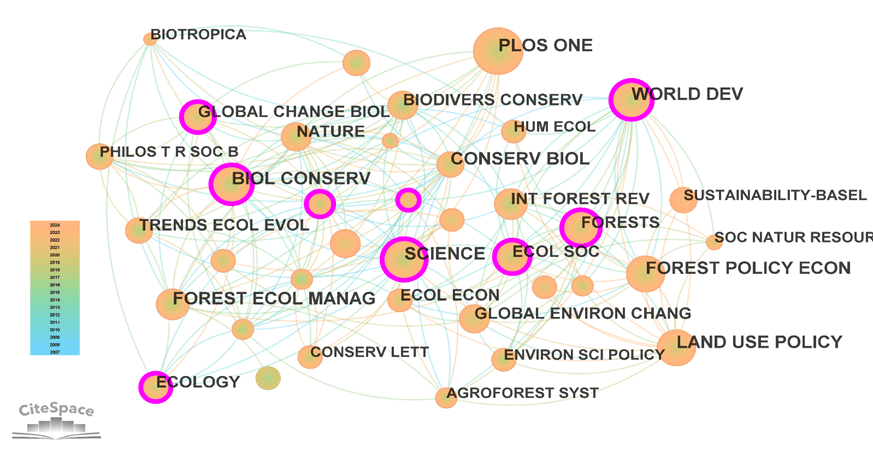
Figure 6. Knowledge map of journal co-citation in the social forestry topic.
3.3.3. Co-Citation Analysis of Literature
Literature co-citation analysis examines how two publications are cited together within a new article. This method helps researchers understand the knowledge structure of a scientific field, identify its research boundaries, and recognize key foundational literature (Sun et al., 2025). The strength of a publication’s influence in co-citation analysis is determined by the “strength” value; a higher value indicates a greater influence on the development of subsequent research. Table 7 presents the top 10 publications from the literature co-citation analysis, with strength values ranging from 6.62 to 11.06.
Table 7. Top 10 co-citation analysis of literature.
|
Rank |
Author |
Year |
Begin |
End |
Strength |
Title |
|
1 |
Rakatama A. |
2020 |
2022 |
2024 |
11.06 |
Reviewing social forestry schemes in Indonesia: Opportunities and challenges |
|
2 |
Fisher M. R. |
2019 |
2020 |
2024 |
9.1 |
The politics, economies, and ecologies of Indonesia’s third generation of social forestry: An introduction to the special section |
|
3 |
Sahide M. A. K. |
2015 |
2016 |
2020 |
8.92 |
The fragmented land use administration in Indonesia –Analysing bureaucratic responsibilities influencing tropical rainforest transformation systems |
|
4 |
Fisher M. R. |
2018 |
2020 |
2024 |
8.89 |
Assessing the new social forestry project in Indonesia: recognition, livelihood, and conservation? |
|
5 |
Margono B. A. |
2014 |
2018 |
2019 |
8.59 |
Primary forest cover loss in Indonesia over 2000–2012 |
|
6 |
De Royer S. |
2018 |
2020 |
2024 |
7.97 |
Does community-based forest management in Indonesia devolve social justice or social costs? |
|
7 |
Sahide M. A. K. |
2020 |
2022 |
2024 |
7.63 |
The boom of social forestry policy and the bust of social forests in Indonesia: Developing and applying an access-exclusion framework to assess policy outcomes |
|
8 |
Sahide M. A. K. |
2018 |
2019 |
2021 |
6.96 |
Deadlock opportunism in contesting conservation areas in Indonesia |
|
9 |
Fatem S. M. |
2018 |
2019 |
2022 |
6.62 |
Camouflaging economic development agendas with forest conservation narratives: A strategy of lower governments for gaining authority in the re-centralising Indonesia |
|
10 |
Purnomo H. |
2017 |
2019 |
2022 |
6.62 |
Fire economy and actor network of forest and land fires in Indonesia |
The analysis revealed that the top 10 articles were authored by seven different scholars, with Sahide M. A. K. and Fisher M. R. contributing three and two articles, respectively, that ranked within the top 10 co-cited publications. Sahide’s three articles focus on policy analysis related to social forestry permits and conservation areas in Indonesia (Sahide & Giessen, 2015; Sahide et al., 2018; Sahide et al., 2020). Meanwhile, Fisher’s works examine the implementation of social forestry in Indonesia from political, economic, and ecological perspectives (Fisher et al., 2018; Fisher et al., 2019). Both scholars anchor their research within a social science framework.
In detail, Sahide M. A. K. explains that the management of Indonesia’s tropical forests can be directed towards community-based management for plantation forests and agroforestry patterns (Sahide & Giessen, 2015). However, forest management by communities through social forestry needs to be monitored to ensure that community rights and access are in accordance with existing regulations (Sahide et al., 2020). Research conducted by Fisher M. R. emphasizes that the concept of social forestry in Indonesia is based on three main components: a) decentralization of management permits to communities, b) supporting livelihood resources, and c) achieving conservation goals (Fisher et al., 2018).
The literature co-citation analysis also reveals the point in time when articles first began to be cited together in subsequent research, with variations influenced by their respective publication years. Among the top 10 co-cited articles, the earliest co-citation occurrence was in 2016, while the most recent was in 2022. The duration of a literature co-citation is indicated by the interval between the initial and final years in which the articles were cited together. In this analysis, five articles show their co-citation period ending in 2024. However, it is presumed that their co-citation does not actually end in 2024; rather, this is a limitation of the time span applied in the present study, which records 2024 as the terminal year.
3.4. Co-Occurrence Evolution
3.4.1. Co-Occurrence of Keywords
Keywords represent terms selected by authors to describe the main content of an article, thereby facilitating the search process. Co-occurrence keywords refer to terms that frequently appear together and serve to represent the thematic focus of research. The results of the keyword co-occurrence analysis for the top 10 ranked terms are presented in Table 8. According to the table, the keywords “conservation” and “management” emerge most frequently in social forestry publications, with the largest node sizes and frequencies of 248 and 203, respectively. In addition, seven other keywords (“forest,” “biodiversity,” “community,” “diversity,” “deforestation,” “governance,” and “ecosystem services”) each occur more than 100 times. Only the keyword “climate change” appears with a frequency below 100.
Table 8. Top 10 author co-citation analysis.
|
Rank |
Count |
Year |
Centrality |
Keyword |
|
1 |
248 |
2007 |
0.2 |
conservation |
|
2 |
203 |
2007 |
0.15 |
management |
|
3 |
193 |
2007 |
0.17 |
forest |
|
4 |
168 |
2007 |
0.1 |
biodiversity |
|
5 |
158 |
2007 |
0.14 |
community |
|
6 |
136 |
2007 |
0.14 |
diversity |
|
7 |
106 |
2007 |
0.07 |
deforestation |
|
8 |
106 |
2014 |
0.03 |
governance |
|
9 |
105 |
2013 |
0.05 |
ecosystem services |
|
10 |
93 |
2008 |
0.07 |
climate change |
The centrality value in Table 8 indicates the relative influence of keywords within the social forestry article network. The keyword “conservation” demonstrates a particularly strong influence, evidenced by its centrality value of 0.20, which is notably higher than other keywords with values ranging from 0.03 to 0.17. This suggests that “conservation” plays a pivotal role within the keyword co-occurrence network, especially in the context of social forestry research in Indonesia. Furthermore, the emergence and top ranking of the keyword “conservation” highlight that research focused on social forestry holds significant importance for forest resource and biodiversity conservation efforts.
3.4.2. Keyword Clustering
Keyword cluster analysis is the process of grouping keywords from various publications that share common themes and relationships into distinct clusters (Sun et al., 2025). The results of this analysis, based on the keywords used for document retrieval in this study, yielded seven cluster labels. A smaller cluster label number indicates a larger number of keywords grouped within it and a higher relevance to the core research topic (Sun et al., 2025). The identified keyword clusters are as follows: #0 social forestry, #1 diversity, #2 tropical forest, #3 oil palm, #4 sustainable development, #5 peatland, and #6 sustainable forest management (Figure 7). These clusters were subsequently categorized by the researchers as follows:
· Forests and ecosystems: “social forestry” and “diversity”. This cluster focuses on social forestry permits, their implementation at the local level, and the ecological diversity of forest ecosystems managed by communities through social forestry schemes.
· Land use and land cover: “tropical forests”, “oil palm”, and “peatland”. This cluster highlights the biophysical conditions of land and land cover in the context of social forestry implementation. It indicates that social forestry is not limited to state forests on mineral soils but also extends to peatland areas.
· Technical implementation: “sustainable forest management” and “sustainable development”. This cluster centers on the sustainable management of social forestry, aimed at supporting forest management practices that balance ecological, economic, and social dimensions.
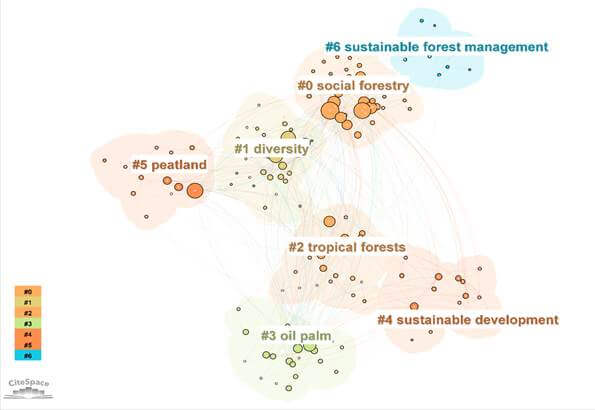
Figure 7. Keyword clustering map.
3.4.3. Analysis of Research Hotspots
Research hotspots represent research topics that have received particular attention from scholars within a specific time span (Li & Chen, 2017). In this study, research hotspots were identified using the burst detection function in CiteSpace 6.4.2R2 (64-bit) Advanced. The selected time interval was 2007–2024, visualized as blue lines, while red lines of larger size indicate the start and end periods of keyword bursts (Huang et al., 2020). Figure 8 provides several pieces of information for readers. The section “Keywords” lists terms according to the timeline of their bursts, with earlier bursts appearing higher in the ranking. “Strength” indicates the magnitude of change associated with each selected keyword (Sun et al., 2025), while “begin” and “end” mark the start and end years of each keyword burst. The greater the difference between “end” and “begin,” the longer the burst duration, which signifies that the keyword has served as a research hotspot for a longer period compared to others.
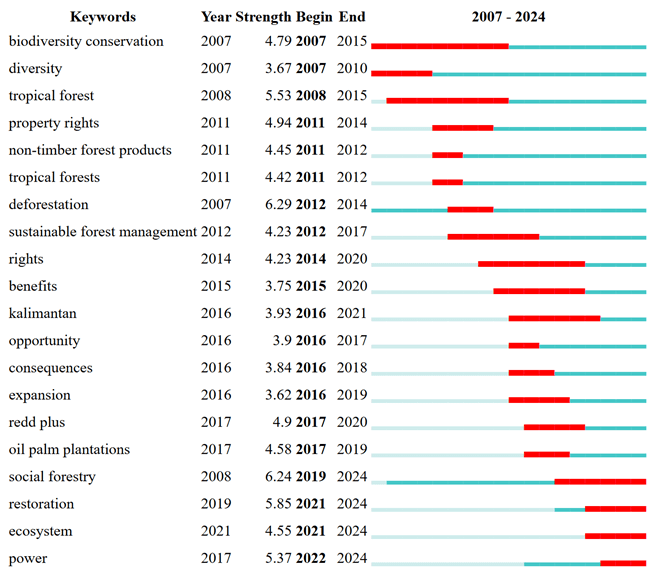
Figure 8. Emergent keyword analysis (top 20).
Research hotspots are divided into three distinct timelines. Specifically, during the start-up phase (2007–2011), the emerging keywords included “biodiversity conservation” (first appeared in 2007, identified as a hotspot in 2007–2015), “diversity” (first appeared in 2007, hotspot in 2007–2010), “tropical forest” (first appeared in 2008, hotspot in 2008–2015), “property rights” (first appeared in 2011, hotspot in 2011–2014), “non-timber forest products” (first appeared in 2011, hotspot in 2011–2012), and “tropical forests” (first appeared in 2011, hotspot in 2011–2012). Research in this pioneering phase primarily focused on community rights in forest management activities through state-granted permits under the community-based forest management scheme (Fujiwara et al., 2012; Mulyoutami et al., 2009; Suwarno et al., 2009), with emphasis on the utilization of both timber and non-timber forest products (Barkmann et al., 2010; Siregar et al., 2007).
The early development phase (2012–2016) featured research hotspots consisting of the keywords “deforestation,” “sustainable forest management,” “rights,” “Kalimantan,” “opportunity,” “consequences,” and “expansion.” Research during this phase primarily focused on the application of forest certification as a means to implement sustainable forest management (Harada & Wiyono, 2014). In addition, attention was also directed toward the implementation of community-based forest management programs and the subsequent consequences of their execution (Prasetyo et al., 2012).
Furthermore, the rapid growth phase (2017–2024) revealed bursts in the keywords “REDD+,” “oil palm plantations,” “social forestry,” “restoration,” “ecosystem,” and “power” during the 2017–2024 period. Research in this phase focused on evaluating the implementation of social forestry programs in Indonesia through various existing schemes (such as hutan desa, hutan adat, hutan kemasyarakatan, hutan tanaman rakyat, and kemitraan kehutanan; Nikmatullah et al., 2024; Rochmayanto et al., 2022; Santika et al., 2017). In addition, research increasingly emphasized the management of community oil palm plantations, which could be addressed within the framework of social forestry schemes (Madjid et al., 2023).
3.5. Knowledge Framework
The findings of this study offer a comprehensive overview of research hotspots within the field of social forestry in Indonesia. Specifically, it elucidates the temporal evolution of research, the contributions of influential authors, the role of journals in knowledge dissemination, collaborative networks among researchers, and frequently occurring keywords in the literature. Based on an analysis of 1,662 documents from the Web of Science, this study constructs a robust theoretical framework that reflects the current state of social forestry research while providing direction for future investigations (Figure 9). These outcomes are fully aligned with the research aims outlined earlier.
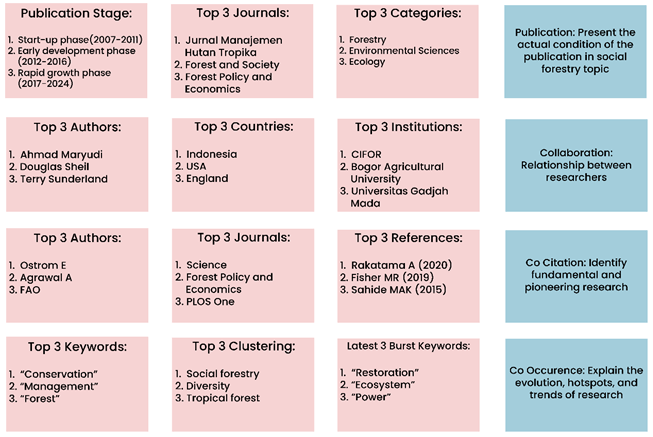
Figure 9. Knowledge framework of social forestry research in Indonesia.
3.5.1. Research Aims (1): Present Publication Landscape
Publication trend analysis reveals a consistent annual increase in the number of publications on social forestry in Indonesia. The timeline can be categorized into three distinct phases: a start-up phase (2007–2011), an early development phase (2012–2016), and a rapid growth phase (2017–2024). The most significant expansion occurred during the rapid growth phase, where the annual publication output averaged 100 articles. This surge in scholarly output aligns closely with the accelerated implementation of social forestry policies following the formal definition of its schemes under MoEF Regulation No. 83 of 2016. Across the entire period, Indonesian journals dominate the field, with the top two journals, Jurnal Manajemen Hutan Tropika and Forest and Society, originating from Indonesia, followed by Forest Policy and Economics. Thematic analysis indicates a continued strong emphasis on natural sciences, with the top three research domains being forestry, environmental sciences, and ecology.
3.5.2. Research Aims (2): Collaboration, the Relationship Between Researchers and Institutions
Collaboration analysis reveals distinct dynamics in co-authorship patterns across individual researchers, countries, and institutions. At the individual level, the most prolific authors focusing on social forestry research are Ahmad Maryudi, Douglas Sheil, and Terry Sunderland. The top three countries contributing to collaborative research in this domain are Indonesia, the United States, and the United Kingdom. Furthermore, institutions such as the Center for International Forestry Research (CIFOR), IPB University (Bogor Agricultural University), and Universitas Gadjah Mada demonstrate strong research engagement in Indonesian social forestry, as evidenced by the substantial number of publications contributed by their affiliated authors on this topic.
3.5.3. Research Aims (3): the Fundamental and Pioneering Researches
Co-citation analysis illustrates how a publication by one researcher is intellectually connected to other researchers, journals, and references within the scholarly landscape. This analysis reveals that the work of Ostrom E., Agrawal A., and the Food and Agriculture Organization (FAO) serves as foundational references for subsequent research in the field. Furthermore, the journals Science, Forest Policy and Economics, and PLOS One rank as the top three most frequently co-cited journals, indicating their substantial influence on social forestry research. Additionally, articles published by Rakatama and Pandit (2020), Fisher et al. (2019), and Sahide and Giessen (2015) hold strong positions in the co-citation network, underscoring their role as pivotal references for generating new research within the domain of social forestry.
3.5.4. Research Aims (4): Evolution, Hotspots, and Emerging Research Trends
Co-occurrence analysis serves to identify topics that have attracted significant research attention, as evidenced by the frequency and clustering of keywords. From 2007 to 2024, the keywords “conservation”, “management”, and “forest” ranked as the three most frequently occurring terms. Meanwhile, keywords such as “restoration”, “ecosystem”, and “power” have emerged as prominent and influential themes over the past three years. Keywords related to social forestry in Indonesia were grouped into three major clusters: forest and ecosystem, land use and land cover, and technical implementation.
4. Discussion
4.1. Comparative Discussion
This study adopts a bibliometric approach to examine the development of social forestry research in Indonesia over time, providing readers with information on the distribution of articles, authors, journals, and keywords, especially those with high impact. Similar studies summarizing trends in social forestry research in Indonesia have not been conducted before. However, there are several studies that focus on reviewing the relationship between social forestry and biodiversity conservation (Gunawan et al., 2022), smart agroforestry in social forestry (Octavia et al., 2022), and the opportunities and challenges of implementing social forestry in Indonesia (Rakatama & Pandit, 2020).
This study conducts a comprehensive analysis based on several sources of information, such as publications, collaboration between authors and institutions, co-citation analysis, and co-occurrence analysis. The researchers summarized the available information into a knowledge framework with the aim of providing readers with holistic and comprehensive information on the development of social forestry research in Indonesia. This is in line with the research by Sun et al. (2025), which summarizes the development of forestry education research, with one of its novelties being the existence of a knowledge framework.
In the context of Indonesia’s forestry policy development, the bibliometric results of this study reveal a reciprocal relationship between scientific scholarship and key governance shifts. The early development stage in 2012 aligns with Constitutional Court Decision No. 35/PUU-X/2012, which radically redefined the status of customary forests by removing them from the state forest domain. This ruling marked a foundational shift in Indonesia’s tenure regime and appears to have stimulated the initial wave of academic interest in social forestry (see Sahide & Giessen, 2015). A much sharper rise in publications, the rapid phase beginning in 2016, corresponds with another cluster of significant policy reforms, particularly the issuance of the Ministry of Environment and Forestry Regulation No. 83/2016 that formally established the five social forestry schemes, and the creation of the Directorate General of Social Forestry and Environmental Partnership in 2015. These developments reflect a growing institutional commitment to social forestry and appear to have reinforced the expansion of scientific engagement with the topic. Together, these temporal patterns indicate that policy reforms and scientific inquiry have evolved in mutually reinforcing ways.
In light of the policy–knowledge interactions described above, the bibliometric analysis also reveals the structure of Indonesia’s social forestry knowledge network. Three institutions, CIFOR Bogor Agricultural University, and Universitas Gadjah Mada, consistently emerge as central knowledge producers with substantial contributions to research on social forestry. At the individual level, scholars such as Maryudi A., Sunderland T., Sheil D., Sahide M. A. K., Rakatama A., and Fisher M. dominate the authorship landscape and have been prominent in shaping academic discussions surrounding social forestry. While the bibliometric evidence does not allow direct claims about their influence on policy development, the visibility and concentration of research across these institutions and scholars suggest a close alignment between knowledge production and the policy trajectories observed in Indonesia’s social forestry.
4.2. Future Research Direction
Social forestry policy in Indonesia demonstrates a highly promising trajectory, underscored by its inclusion as a national priority program. Under the current administration of President Prabowo Subianto, over 8.4 million hectares of state forest area have already been incorporated under social forestry schemes, with further expansion anticipated in alignment with the Asta Cita development agenda, particularly in relation to food security and self-sufficiency (MoFor, 2025). This strong policy commitment signals continued institutional and financial support, making social forestry a compelling area for in-depth research aimed at refining implementation frameworks and evaluating impacts. Furthermore, the domestic capacity for scholarly publication has significantly strengthened, as demonstrated by the prominence of Indonesian journals in this field, exemplified by Jurnal Manajemen Hutan Tropika and Forest and Society in this analysis. This robust local publishing ecosystem facilitates greater accessibility and visibility for Indonesian researchers. The dominance of domestic authors and institutions in collaboration networks further indicates a high level of academic engagement and institutional prioritization of social forestry research within the country. Nevertheless, despite these advancements, several promising niche research areas remain underdeveloped and merit further attention, including:
(1) Expanding Research Collaboration Geographically
This study aligns with the findings of Rakatama and Pandit (2020), which identified a strong geographical concentration of social forestry research in Western Indonesia. A similar western-centric bias is evident in the composition of research leadership: the top affiliated institutions, Bogor Agricultural University, CIFOR, and Universitas Gadjah Mada, are located on Java. However, a promising shift is emerging with the increasing contributions from institutions in Eastern Indonesia, such as Hasanuddin University, which is home to prominent researcher M.A.K. Sahide and hosts the influential journal Forest and Society. Despite this progress, a critical need remains to further expand the inclusion of experts and institutions from Eastern Indonesia. This expansion is strategically imperative, as current national forestry policy is increasingly targeting Eastern Indonesia for development and governance interventions, making localized research expertise essential for effective and contextually relevant implementation.
(2) Gender and Equity Matters
Despite policy mandates for gender inclusion (e.g., PermenLHK 31/2017), women’s participation remains under-researched, as evidenced by the absence of prominent keywords related to gender/woman, or authors that focused on gender in the analytical results. Future research should adopt transformative frameworks to analyze how gender equity influences resource access, decision-making, benefit-sharing, and women's leadership in social forestry.
(3) Integrating Landscape Approach
The keyword clustering map, which highlights terms such as “oil palm” and “peatland,” along with the emergence of related keywords like “oil palm plantations” and “ecosystem,” indicates that social forestry significantly intersects with other land use and land cover systems. Given the fragmented bureaucratic governance and complex ecological conditions, further research is essential to investigate the role of social forestry areas within specific landscape units.
(4) Advancing Socio-Economic and Governance Analyses
The foundational premise of social forestry is its potential to enhance community welfare, making socio-economic improvement a core objective. However, the current research landscape remains predominantly focused on natural science perspectives, as reflected in the prevailing keywords. The emergence of terms such as “power” and the prominence of authors like Ahmad Maryudi, whose work centers on governance and stakeholder interests, signal a positive shift. This indicates a growing recognition that social forestry is not merely a technical or ecological panacea but a complex domain involving multifaceted political and economic interests. Future research should, therefore, prioritize investigating the social and economic sustainability of these initiatives. Studies are needed to critically assess long-term impacts on livelihoods, income diversification, benefit-sharing mechanisms, and the resilience of local economies within social forestry frameworks.
5. Conclusion
This study focused on the development of social forestry research in Indonesia. Within the CiteSpace 6.4.2R2 (64-bit) Advanced, we analyze the comprehensive review of research history, hotspots, and trends. The study found the following:
(1) Publication Trends. Researchers are interested in the topic of social forestry research in Indonesia, as evidenced by an increase in the number of publications during the start-up phase (2007–2011), early development phase (2012–2016), and rapid growth phase (2017–2024). The majority of social forestry research is in the fields of forestry, environmental sciences, and ecology, which are major clusters that encompass forestry. During the period 2007–2024, the journals Jurnal Manajemen Hutan Tropika, Forest and Society, and Forest Policy and Economics ranked in the top three journals with the most publications on social forestry topics.
(2) Collaboration Patterns. There are institutions that frequently conduct research in this field, including CIFOR, Bogor Agricultural University, and Universitas Gadjah Mada. Individually, authors who focus on social forestry research include Ahmad Maryudi, Douglas Sheil, and Terry Sunderland. Meanwhile, the top three countries that produced research in the social forestry topic were Indonesia, the USA, and England.
(3) Co-citation Analysis. The articles of Ostrom E., Agrawal A., and the Food and Agriculture Organization (FAO) hold a foundational reference for research in the social forestry topic. Furthermore, the top three most frequently co-cited journals were Science, Forest Policy and Economics, and PLOS One, which showed their influence in producing good-quality literature on the social forestry topic. Additionally, the articles published by Rakatama and Pandit (2020), Fisher et al. (2019), and Sahide and Giessen (2015) serve a strong position in the co-citation network. It means that these articles hold a pivotal reference for generating new research on social forestry in Indonesia.
(4) Co-occurrence Analysis. The primary research hotspots in the social forestry include topics such as “conservation,” “management,” and “forest”. The main focus of research is on social forestry, diversity, and tropical forest issues. The keywords of “restoration”, “ecosystem”, and “power” have emerged as prominent and influential over the past three years. These keywords are predicted as the significant topics of social forestry in the coming years.
These results would help the new researchers quickly understand developments in social forestry research and fill the existing gaps. Moreover, senior researchers and policymakers can use the integrated research trend information to develop adaptive and inclusive social forestry models that provide ecological and economic benefits. Further research on the social forestry topic can be directed towards (i) expanding research collaboration geographically; (ii) investigating the role of women in social forestry management; (iii) investigating the role of social forestry areas within specific landscape units; and (iv) investigating socio-economic and governance conditions.
6. Limitations of the Study
There are some limitations of this study as follows:
(1) Data source: This study only focuses on articles sourced from the Web of Science database, without considering other research database sources such as Scopus. Therefore, it is possible that there are articles that have a high influence on the development of social forestry research in Indonesia but are not recorded in this study.
(2) Language restrictions: This study focuses on articles sourced from English. This bibliometric analysis focuses on English-language publications available in international indexing systems, while a substantial portion of Indonesia’s social forestry literature is published in Bahasa Indonesia and stored in national repositories such as SINTA/GARUDA. Because these repositories do not support bulk metadata export in formats compatible with bibliometric tools, their exclusion may result in a partial representation of the national knowledge landscape.
(3) Bibliometric analysis blind spot: This analysis produces information on documents that have a high impact based on the number of documents and citations. However, this analysis cannot capture documents that have a high impact based on significant theoretical innovations but do not yet have a large number of citations. This condition can occur when an article has just been published, and there is not much time difference between its publication and this research analysis.
CRediT Author Statement: Muhammad Iqbal Nur Madjid: Conceptualization, Formal analysis, Data curation, Writing – original draft, and Writing – review & editing; Daris Fahmaa Sutata: Conceptualization, Writing – original draft, and Writing – review & editing; Ikhsan Fiqra Naufalianto: Writing – review & editing; Agung Yoga Pangestu: Writing – review & editing; Danis Syahroni: Writing – review & editing.
Data Availability Statement: All data have been included in the manuscript.
Funding: This research received no external funding.
Conflicts of Interest: The authors declare no conflict of interest.
IRB Statement: Not applicable.
Informed Consent Statement: Not applicable.
Acknowledgments: The authors would like to thank the reviewers and editor for their suggestions in improving our manuscript.
Abbreviations
The following abbreviations are used in this manuscript:
|
CBF |
Community-based Forestry |
|
CIFOR |
Center for International Forestry Research |
|
FAO |
Food and Agriculture Organization of the United Nations |
|
MoEF |
Ministry of Environment and Forestry |
|
MoFor |
Minister of Forestry |
|
SDGs |
Sustainable Development Goals |
|
WoS |
Web of Science |
References
Agrawal, A. (2003). Sustainable governance of common-pool resources: Context, methods, and politics. Annual Review of Anthropology, 32, 243–262. https://doi.org/10.1146/annurev.anthro.32.061002.093112
Anugrah, D., Muin, A. V. F., Irlan, I., Tomasina, M. A., Azila, N., Sirimorok, N., Dungga, N. E., & Alam, S. (2022). Injustice against women in a social forestry program: Case studies from two Indonesian villages. Forest and Society, 6(2), 723–741. https://doi.org/10.24259/fs.v6i2.20006
Barkmann, J., Burkard, G., Faust, H., Fremerey, M., Koch, S., & Lanini, A. (2010). Land tenure rights, village institutions, and rainforest conversion in Central Sulawesi (Indonesia). In T. Tscharntke, C. Leuschner, E. Veldkamp, H. Faust, E. Guhardja, & A. Bidin (Eds.) Tropical rainforests and agroforests under global change: Ecological and socio-economic valuations (pp. 141–160). Springer. https://doi.org/10.1007/978-3-642-00493-3_6
Bera, M., & Nag, P. K. (2025). Integrated natural resource management and sustainable livelihoods:
A review of ecosystem-based approaches for sustainability and community resilience. Agricultural & Rural Studies, 3(3), 23.
https://doi.org/10.59978/ar03030017
Budiadi, Irwan, S. N. R., Lestari, L. D., Madjid, M. I. N., Arifin, H. S., Nurhayati, Kaswanto, Faisal, B., Dahlan, M. Z., Nadhiroh, S. R., Wahyuni, T. S., & Ali, M. S. (2025). Biodiversity, social adoptability, and preference toward managing medicinal plants in homegardens across elevations in the Menoreh Mountains, Kulonprogo District, Indonesia. Biodiversitas Journal of Biological Diversity, 26(3), 1316–1324. https://doi.org/10.13057/biodiv/d260331
Chen, C. (2006). CiteSpace II: Detecting and visualizing emerging trends
and transient patterns in scientific literature. Journal of the American
Society for Information Science and Technology, 57(3), 359–377.
https://doi.org/10.1002/asi.20317
Chen, C. (2016). CiteSpace: A practical guide for mapping scientific literature. Nova Science Publishers.
Chen, C., Hu, Z., Liu, S., & Tseng, H. (2012). Emerging trends in regenerative medicine: A scientometric analysis in CiteSpace. Expert Opinion on Biological Therapy, 12(5), 593–608. https://doi.org/10.1517/14712598.2012.674507
Center for International Forestry Research. (2017). CIFOR and IPB renew their commitment to Indonesian forests, science and development. Retrieved November 14, 2025, from https://www.cifor.org/press-release/cifor-and-ipb-renew-their-commitment-to-indonesian-forests-science-and-development/
De Frenne, P., Lenoir, J., Luoto, M., Scheffers, B. R., Zellweger, F., Aalto, J., Ashcroft, M. B., Christiansen, D. M., Decocq, G., De Pauw, K., Govaert, S., Greiser, C., Gril, E., Hampe, A., Jucker, T., Klinges, D. H., Koelemeijer, I. A., Lembrechts, J. J., Marrec, R., … Hylander, K. (2021). Forest microclimates and climate change: Importance, drivers and future research agenda. Global Change Biology, 27(11), 2279–2297. https://doi.org/10.1111/gcb.15569
De Jong, W., Pokorny, B., Katila, P., Galloway, G., & Pacheco, P. (2018). Community forestry and the sustainable development goals: A two-way street. Forests, 9(6), 331. https://doi.org/10.3390/f9060331
De Royer, S., Van Noordwijk, M., & Roshetko, J. M. (2018). Does community-based forest management in Indonesia devolve social justice or social costs? International Forestry Review, 20(2), 167–180. https://doi.org/10.1505/146554818823767609
Fang, Y., Yin, J., & Wu, B. (2018). Climate change and tourism: A scientometric analysis using CiteSpace. Journal of Sustainable Tourism, 26(1), 108–126. https://doi.org/10.1080/09669582.2017.1329310
Farooqi, T. J. A., Portela, R., Xu, Z., Pan, S., Irfan, M., & Ali, A.
(2024). Advancing forest hydrological research: Exploring global research trends and future directions through
scientometric analysis. Journal of Forestry Research, 35, 128.
https://doi.org/10.1007/s11676-024-01771-1
Fisher, M. R, Dhiaulhaq,
A., & Sahide, M. A. K. (2019).
The politics, economies, and ecologies of Indonesia’s third generation of social forestry: An introduction to the special section. Forest and Society, 3(1),
152–170.
https://doi.org/10.24259/fs.v3i1.6348
Fisher, M. R., Moeliono, M., Mulyana, A., Yuliani, E. L., Adriadi, A., Kamaluddin, Judda, J., & Sahide, M. A. K. (2018). Assessing the new social forestry project in Indonesia: Recognition, livelihood and conservation?. International Forestry Review, 20(3), 346–361. https://doi.org/10.1505/146554818824063014
Fujiwara, T., Septiana, R. M., Awang, S. A., Widayanti, W. T., Bariatul, H., Hyakumura, K., & Sato, N. (2012). Changes in local social economy and forest management through the introduction of collaborative forest management (PHBM), and the challenges it poses on equitable partnership: A case study of KPH Pemalang, Central Java, Indonesia. Tropics, 20(4), 115–134. https://doi.org/10.3759/tropics.20.115
Geng, Y., & Maimaituerxun, M. (2022). Research progress of green marketing in sustainable consumption based on CiteSpace analysis. Sage Open, 12(3), 21582440221119835. https://doi.org/10.1177/21582440221119835
Geng, Y., Zhang, X., Gao, J., Yan, Y., & Chen, L. (2024). Bibliometric analysis of sustainable tourism using CiteSpace. Technological Forecasting and Social Change, 202, 123310. https://doi.org/10.1016/j.techfore.2024.123310
Gilmour, D. (2016). Forty years of community-based forestry: A review of its extent and effectiveness. Food and Agriculture Organization of the United Nations. http://www.fao.org/3/a-i5415e.pdf
Gunawan, H., Yeny, I., Karlina, E., Suharti, S., Murniati, Subarudi, Mulyanto, B., Ekawati, S., Garsetiasih, R., Pratiwi, Sumirat, B. K., Sawitri, R., Heriyanto, N. M., Takandjandji, M., Widarti, A., Surati, Desmiwati, Kalima, T., Effendi, R., ... Nurlia, A. (2022). Integrating social forestry and biodiversity conservation in Indonesia. Forests, 13(12), 2152. https://doi.org/10.3390/f13122152
Harada, K., & Wiyono. (2014). Certification of a community-based
forest enterprise for improving institutional management and household income:
A case from Southeast Sulawesi, Indonesia. Small-scale Forestry,
13, 47–64.
https://doi.org/10.1007/s11842-013-9240-8
Huang, L., Zhou, M., Lv, J., & Chen, K. (2020). Trends in global research in forest carbon sequestration: A bibliometric analysis. Journal of Cleaner Production, 252, 119908. https://doi.org/10.1016/j.jclepro.2019.119908
Hu, Y., Mo, Z., Chen, T., Zou, Y., Ma, Y., & Ma, X. (2025). The power of forests: A study on the spatio-temporal patterns of China’s forestry carbon sinks from the perspective of GIS-LCA technology. Agricultural & Rural Studies, 3(3), 17. https://doi.org/10.59978/ar03030013
Iriyani, S., Hamid, A. H., Setyarso, A., & Basri, H. (2020). Towards the implementation of social forestry policy in Aceh Province, Indonesia: Process and institutional assessment. Pertanika Journal of Social Sciences and Humanities, 28(4), 2689–2710. https://doi.org/10.47836/pjssh.28.4.11
Kompas. (2025). Luas perhutanan sosial Indonesia bisa ditingkatkan jadi 15 juta hektar [The area of social forestry in Indonesia can be increased to 15 million hectares]. Retrieved September 1, 2025, from https://lestari.kompas.com/read/2025/03/16/190000586/luas-perhutanan-sosial-indonesia-bisaditingkatkan-jadi-15-juta-hektar
Li, J., & Chen, C. (2016). CiteSpace: Text mining and visualization in scientific literature. Capital University of Economics and Business Press.
Lin, H., Zhu, Y., Sun, Z., Wu, P., & Zhang, J. (2025). Bibliometric evaluation of global research on eco-tourism. Environment, Development and Sustainability, 27, 6103–6122. https://doi.org/10.1007/s10668-023-04119-7
Madjid, M. I. N., Marhaento, H., Permadi, D. B., Susanti, A., Budiadi, Riyanto, S., Imron, M. A., Ardiansyah, F., Ridho, D., Nissauqodry, S. V., Susanto, M. G., Cahyani, A. P., Irawan, B., & Yanarita. (2023). Potential adoption
of oil palm agroforestry in Sungai Jernih Village, Jambi, Indonesia. IOP
Conference Series: Earth and Environmental Science, 1145, 012001.
https://doi.org/10.1088/1755-1315/1145/1/012001
Madjid, M. I. N., Rahmadwiati, R., Wicaksono, R. L., & Apriyanto, D.
(2025). The role of Indonesia’s
forest area with special purpose in supporting sustainable
development goals. Research in Ecology, 7(2),
179–191.
https://doi.org/10.30564/re.v7i2.9218
Malik, I., & Mawaddah, R. (2019). Jelajah Kisah Perhutanan Sosial; Perjuangan Akses dan Gerak Ekonomi dari Hutan Sulawesi [Exploring social forestry stories: The struggle for access and economic movement from the forests of Sulawesi]. Sulawesi Community Foundation. https://scf.or.id/jelajah-kisah-perhutanan-sosial-perjuangan-akses-dan-gerak-ekonomi-dari-hutan-sulawesi/
Maring, P. (2022). Conflict transformation and collaboration in developing social forestry in Flores, Indonesia. Forest and Society, 6(1), 40–66. https://doi.org/10.24259/fs.v6i1.13199
Maryudi, A., Sahide, M. A. K., Daulay, M. H., Yuniati, D., Syafitri, W., Sadiyo, S., & Fisher, M. R. (2022). Holding social forestry hostage in Indonesia: Contested bureaucracy mandates and potential escape pathways. Environmental Science & Policy, 128, 142–153. https://doi.org/10.1016/j.envsci.2021.11.013.
Ministry of Forestry. (2025). Menhut: 8,4 Juta Hektare Telah Diberikan ke Masyarakat Untuk Perhutanan Sosial [Minister of Forestry: 8.4 million hectares have been allocated to the public for social forestry]. Retrieved September 18, 2025, from https://www.kehutanan.go.id/news/menhut-8-4-juta-hektare-telah-diberikan-ke-masyarakat-untuk-perhutanan-sosial
Mulyoutami, E., Rismawan, R., & Joshi, L. (2009). Local
knowledge and management of simpukng (forest gardens) among the Dayak
people in East Kalimantan, Indonesia. Forest Ecology and Management, 257(10),
2054–2061.
https://doi.org/10.1016/j.foreco.2009.01.042
Myers, R., Intarini, D., Sirait, M. T., & Maryudi, A. (2017).
Claiming the forest: Inclusions and exclusions under Indonesia’s ‘new’forest policies on customary
forests. Land Use Policy, 66, 205–213.
https://doi.org/10.1016/j.landusepol.2017.04.039
Nikmatullah, M., Renjana, E., Rachmawan, D., Siburian, R., Sundary, L. V., Hidayat, H., & Rahayu, M. (2024). Use of medicinal plants among the customary law forest communities in Jambi, Indonesia. Acta Botanica Brasilica, 38, e20230250.
Octavia, D., Suharti, S., Murniati, Dharmawan, I. W. S., Nugroho, H. Y. S. H., Supriyanto, B., Rohadi, D., Njurumana, G. N., Yeny, I., Hani, A., Mindawati, N., Suratman, Adalina, Y., Prameswari, D., Hadi, E. E. W., & Ekawati, S. (2022). Mainstreaming smart agroforestry for social forestry implementation to support sustainable development goals in Indonesia: A review. Sustainability, 14(15), 9313. https://doi.org/10.3390/su14159313
Olawumi, T. O., & Chan, D. W. M. (2018). A scientometric review of global research on sustainability and sustainable development. Journal of Cleaner Production, 183, 231–250. https://doi.org/10.1016/j.jclepro.2018.02.162
Ostrom, E. (1999). Coping with tragedies of the commons. Annual Review of Political Science, 2, 493–535. https://doi.org/10.1146/annurev.polisci.2.1.493
Padmanaba, M., & Sheil, D. (2007). Finding and promoting a local conservation consensus in a globally important tropical forest landscape. Biodiversity and Conservation, 16, 137–151. https://doi.org/10.1007/s10531-006-9009-x
Pambudi, A. S. (2020). The development of social forestry in Indonesia: Policy implementation review, 2007–2019. The Journal of Indonesia Sustainable Development Planning, 1(1), 57–66. https://doi.org/10.46456/jisdep.v1i1.11
Pautasso, M. (2016). Scientometrics of forest health and tree diseases: An overview. Forests, 7(1),
17.
https://doi.org/10.3390/f7010017
Prasetyo, L. B., Damayanti, E. K., & Masuda, M. (2012). Land cover
changes before and after implementation of the PHBM program in Kuningan
District, West Java, Indonesia. Tropics, 21(2), 47–58.
https://doi.org/10.3759/tropics.21.47
Putraditama, A., Kim, Y.-S., &
Baral, H. (2021). Where to put community-based
forestry?: Reconciling conservation and livelihood in Lampung, Indonesia. Trees,
Forests and People, 4, 100062.
https://doi.org/10.1016/j.tfp.2021.100062
Race, D., & Sumirat, B. (2015). Exploring the implications of social
inequalities in community forestry: Emerging lessons from two forests in
Indonesia. International Journal of Sustainable Development, 18(3),
211–228.
https://doi.org/10.1504/IJSD.2015.070233
Rahayu, S., Laraswati, D., Pratama, A. A., Sahide, M. A. K., Permadi, D. B., Wibowo, W., Widyaningsih, T. S., Suprapto, E., Andayani, W., &
Maryudi, A. (2020). Bureaucratizing non-government organizations as
governmental forest extension services in social forestry policy in Indonesia. Forests,
Trees and Livelihoods, 29(2), 119–129.
https://doi.org/10.1080/14728028.2020.1753585
Rahayu, S., Sakuntaladewi, N., Sumirat, B. K., Widyaningsih, T. S., Yusnikusumah, T. R., Muin, N., & Bisjoe, A. R. H. (2024). The role of local governments in supporting social forestry implementation in Indonesia: A social network analysis and evidence from Eastern Indonesia. Forest and Society, 8(1), 154–178. https://doi.org/10.24259/fs.v8i1.28524
Rakatama, A., & Pandit, R. (2020). Reviewing social forestry schemes in Indonesia: Opportunities and challenges. Forest Policy and Economics, 111, 102052. https://doi.org/10.1016/j.forpol.2019.102052
Ramadhan, R., Dhavio, M., Hanafi, R., Daulay, M. H., & Prakosa, G. G. (2023). Transformation of forest governance: Policy concepts and actor changes in social forestry program implementation in Indonesia. International Forestry Review, 25(1), 92–104. https://doi.org/10.1505/146554823836838673
Richardson, K., Steffen, W., Lucht, W., Bendtsen, J., Cornell, S. E., Donges,
J. F., Drüke, M., Fetzer, I., Bala, G., von Bloh, W., Feulner, G.,
Fiedler, S., Gerten, D.,
Gleeson, T., Hofmann, M., Huiskamp, W., Kummu, M., Mohan, C., Nogués-Bravo, D.,
… Rockström, J. (2023). Earth beyond six of nine
planetary boundaries. Science Advances, 9(37), eadh2458.
https://doi.org/10.1126/sciadv.adh2458
Rochmayanto, Y., Nurrochmat, D. R., Locke, C., Casse, T., Nugroho, B., &
Darusman, D. (2022). Evaluating the “village forests”
in Indonesia: Property rights
and sustainability perspectives. Small-scale Forestry, 21, 461–481.
https://doi.org/10.1007/s11842-022-09506-y
Sahide, M. A. K., Fisher, M. R., Maryudi, A., Dhiaulhaq, A., Wulandari,
C., Kim, Y.-S., & Giessen,
L. (2018). Deadlock opportunism in contesting conservation areas in Indonesia. Land
Use Policy, 77, 412–424.
https://doi.org/10.1016/j.landusepol.2018.05.020
Sahide, M. A. K., Fisher, M. R., Erbaugh, J. T., Intarini, D., Dharmiasih,
W., Makmur, M., Faturachmat, F., Verheijen, B., &
Maryudi, A. (2020). The boom of social forestry policy and the bust of social
forests in Indonesia: Developing and applying an access-exclusion framework to
assess policy outcomes. Forest Policy and Economics, 120, 102290.
https://doi.org/10.1016/j.forpol.2020.102290
Sahide, M. A. K., & Giessen, L. (2015). The fragmented land use
administration in Indonesia – Analysing bureaucratic responsibilities
influencing tropical rainforest transformation systems. Land Use Policy, 43, 96–110.
https://doi.org/10.1016/j.landusepol.2014.11.005
Sahide, M. A. K., Supratman, S., Maryudi, A., Kim, Y.-S., & Giessen, L. (2016). Decentralisation policy as recentralisation strategy: Forest management units and community forestry in Indonesia. International Forestry Review, 18(1), 78–95. https://doi.org/10.1505/146554816818206168
Santika, T., Meijaard, E., Budiharta, S., Law, E. A., Kusworo, A., Hutabarat, J. A., Indrawan, T. P., Struebig, M., Raharjo, S., Huda, I., Sulhani, Ekaputri, A. D., Trison, S., Stigner, M., & Wilson, K. A. (2017). Community forest management in Indonesia: Avoided deforestation in the context of anthropogenic and climate complexities. Global Environmental Change, 46, 60–71. https://doi.org/10.1016/j.gloenvcha.2017.08.002
Schusser, C., Krott, M., Movuh, M. C. Y., Logmani, J., Devkota, R. R., Maryudi, A., & Salla, M. (2016). Comparing community forestry actors in Cameroon, Indonesia, Namibia, Nepal and Germany. Forest Policy and Economics, 68, 81–87. https://doi.org/10.1016/j.forpol.2016.03.001
Shao, H., Kim, G., Li, Q., & Newman, G. (2021). Web of science-based green infrastructure: A bibliometric analysis in CiteSpace. Land, 10(7), 711. https://doi.org/10.3390/land10070711
Singh, P., & Borthakur, A. (2018). A review on biodegradation and
photocatalytic degradation of organic pollutants: A bibliometric and
comparative analysis. Journal of Cleaner Production, 196, 1669–1680.
https://doi.org/10.1016/j.jclepro.2018.05.289
Siregar, U. J., Rachmi, A., Massijaya, M. Y., Ishibashi, N., & Ando, K. (2007). Economic analysis of sengon (Paraserianthes falcataria) community forest plantation, a fast-growing species in East Java, Indonesia. Forest Policy and Economics, 9(7), 822–829. https://doi.org/10.1016/j.forpol.2006.03.014
Situmorang, R. O. P., & Yen, T.-M. (2022). Comparison of benefits, stakeholders, implementation, and locations of community forestry in Taiwan and Indonesia based on experts’ views. Journal of Forest Research, 27(5), 334–341. https://doi.org/10.1080/13416979.2022.2038764
Stoian, D., Monterroso, I., & Current, D. (2019). SDG 8: Decent work and economic growth –
Potential impacts on forests and forest-dependent livelihoods. In P. Katila, C. J. Pierce
Colfer, W. de Jong, G. Galloway, P. Pacheco, & G. Winkel
(Eds.), Sustainable development goals: Their impacts on forests and people (pp. 237–278). Cambridge University Press.
https://doi.org/10.1017/9781108765015
Sun, Y., Li, L., Yang, Q., & Zong, B. (2025). Visualization of forest education using CiteSpace: A bibliometric analysis. Forests, 16(6), 985. https://doi.org/10.3390/f16060985
Sutata, D. F., Sadono, R., & Marhaento, H. (2023). The role of stakeholders in the management
of Jurang Jero Nature Tourism Object in Mount Merapi National Park, Central
Java, Indonesia. Jurnal Manajemen Hutan Tropika, 29(3), 208–218.
https://journal.ipb.ac.id/index.php/jmht/article/view/46688
Suwarno, A., Nawir, A. A., Julmansyah, & Kurniawan. (2009). Participatory modelling to improve partnership schemes for future Community-Based Forest Management in Sumbawa District, Indonesia. Environmental Modelling & Software, 24(12), 1402–1410. https://doi.org/10.1016/j.envsoft.2009.07.001
Turner‐Skoff, J. B., & Cavender, N. (2019). The benefits of trees for livable and sustainable communities. Plants, People, Planet, 1(4), 323–335. https://doi.org/10.1002/ppp3.39
Wahyu, A., Suharjito, D., Darusman, D., & Syaufina, L. (2024). Local institutional strength of village and community forests in Indonesia. Small-scale Forestry, 23, 371–391. https://doi.org/10.1007/s11842-024-09568-0.
Wang, Z., Ma, D., Pang, R., Xie, F., Zhang, J., & Sun, D. (2020). Research progress and development trend of social media big data (SMBD): Knowledge mapping analysis based on CiteSpace. ISPRS International Journal of Geo-Information, 9(11), 632. https://doi.org/10.3390/ijgi9110632
Widiyanto, A., Nurrochmat, D. R., Trison, S., & Subarudi. (2025). Assessing the option of devolution without decentralization in social forestry management: The case study of Java, Indonesia. Environment and Ecology Research, 13(4), 509–520. https://doi.org/10.13189/eer.2025.130405
Wong, G. Y., Moeliono, M., Bong, I. W., Pham, T. T., Sahide, M. A. K., Naito, D., & Brockhaus, M. (2020). Social forestry in Southeast Asia: Evolving interests, discourses and the many notions of equity. Geoforum, 117, 246–258. https://doi.org/10.1016/j.geoforum.2020.10.010
Wulandari, C., Bakri, S., Riniarti, M., & Supriadi, S. (2021). Fostering the sustainability of community forestry program: Case study in lampung-sumatra. Forestry Ideas, 27(1), 210–232.
Wulandari, C., & Inoue, M. (2018). The importance of social learning for the development of community
based forest management in
Indonesia: The case of community forestry in Lampung Province. Small-scale Forestry, 17,
361–376.
https://doi.org/10.1007/s11842-018-9392-7
Zhang, J., Dong, Y., Liu, Y., Kang, Y., Xie, S., & Xu, H. (2025). Knowledge domain and emerging trends in monitoring of forest fires using remote sensing: A scientometric review based on CiteSpace analysis. Agricultural & Rural Studies, 3(2), 29. https://doi.org/10.59978/ar03020008
Disclaimer: The views, statements, and data presented in Agricultural & Rural Studies (A&R) reflect solely the perspectives of the individual authors and contributors, and do not represent the official positions of SCC Press and/or the editorial team. SCC Press and/or the editorial team assume no liability for any harm, injury, or damage to persons or property arising from the ideas, methodologies, instructions, or products referenced herein.